简体中文
简体中文 Deutsch
 日本語
日本語 한국어
한국어 Tiếng Việt
 Русский
 ไทย
ไทย Bahasa Indonesia
 Bahasa Melayu
 Filipino
 لالعربية
 Français
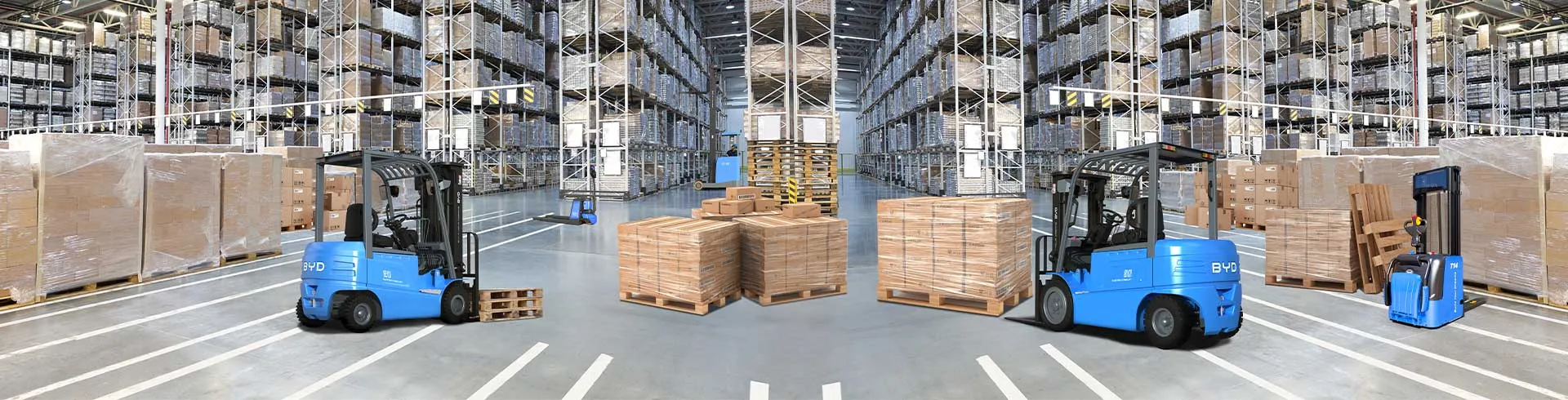
In the field of logistics warehousing and industrial production, electric forklifts are the core handling equipment, and the control of their operating costs directly affects the overall efficiency of the enterprise. Many enterprises often fall into the misunderstanding of "heavy procurement, light operation and maintenance" in forklift management, resulting in frequent equipment failures, shortened life expectancy, and high hidden costs. Building a full life cycle operation and maintenance system is the key to cracking this problem.
The pre-planning in the purchase stage is the starting point of the whole life cycle operation and maintenance. Many companies only focus on the purchase price when purchasing forklifts, ignoring the follow-up operation and maintenance costs. The whole life cycle operation and maintenance system is involved from the selection process. According to the operation scenario, handling frequency, load demand and other factors of the enterprise, it matches the electric forklift with stronger adaptability to avoid the waste of resources caused by excess or insufficient equipment performance. At the same time, plan the spare parts reserve and technical support plan for subsequent operation and maintenance in advance to lay the foundation for long-term operation and maintenance and reduce the cost of downtime and waiting due to the shortage of spare parts.
The fine management of daily operation and maintenance is the core of prolonging the life of forklifts and reducing failures. For key components such as batteries, motors, and hydraulic systems of electric forklifts, a standardized daily inspection process is formulated: check battery power and clean electrodes before daily operation to avoid adverse effects on battery life due to contact; check motor operation status, hydraulic oil level and cleanliness every week, and replenish or replace hydraulic oil in time to prevent component wear and tear from intensifying. At the same time, through regular training to standardize the operating habits of operators, avoid component wear and tear caused by misoperation such as sudden acceleration, sudden braking, or overload operations, and reduce the probability of sudden failure.
Fault anticipation and preventive maintenance are important means to reduce emergency costs. With the help of Internet of Things monitoring technology, the operation data of electric forklifts is collected and analyzed in real time, including battery temperature, motor speed, driving mileage, brake wear and other indicators, and potential failure risks are identified in advance through data models, such as battery performance attenuation, component wear approaching thresholds, etc. Based on this, a personalized preventive maintenance plan is developed to replace or maintain parts before failures occur, to avoid production interruptions caused by sudden downtime and reduce the high cost of emergency maintenance.
Maximizing the residual value in the scrap stage is the end of the whole life cycle operation and maintenance. When the electric forklift reaches the service life, it is not directly discarded, but through professional disassembly, the recyclable parts such as motors, battery modules, hydraulic pumps, etc. are tested and repaired, and re-invested in the operation and maintenance of other equipment; for unrepairable parts, it is classified and environmentally friendly to reduce the cost of waste disposal while maximizing the residual value of the equipment.
The whole life cycle operation and maintenance system of electric forklifts covers all aspects from type selection to scrapping, and realizes the efficient use of equipment resources through pre-planning, fine management, preventive maintenance and residual value recovery. This system can not only reduce the direct loss caused by equipment failure, but also prolong the service life of equipment. In the long run, it can effectively reduce the overall operating cost of enterprises and improve the stability and economic benefits of logistics and production links.