
 简体中文
简体中文 English
 Deutsch
 日本語
日本語 한국어
한국어 Tiếng Việt
 Русский
 Bahasa Indonesia
 Bahasa Melayu
 Filipino
 لالعربية
 Français
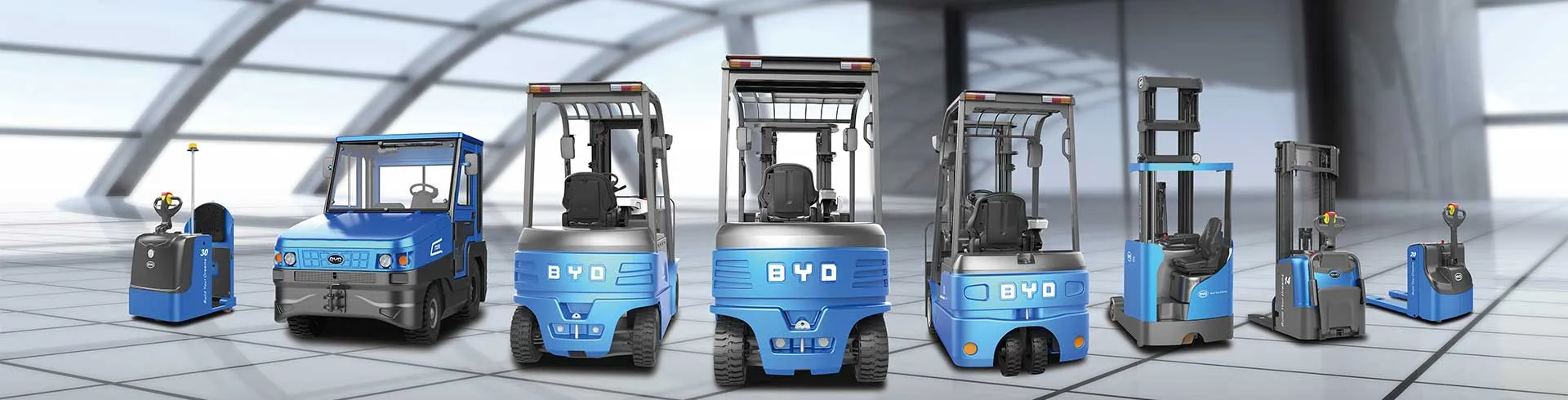
ในด้านโลจิสติกส์โซ่เย็นเช่นอาหารและยาห้องเย็นซึ่งเป็นลิงค์หลักของการจัดเก็บที่อุณหภูมิต่ำความพิเศษของสภาพแวดล้อมการทำงานได้นำเสนอข้อกำหนดที่เข้มงวดสำหรับอุปกรณ์จัดเก็บ โดยเฉพาะอย่างยิ่งภายใต้สภาวะอุณหภูมิต่ำมากที่ลบ 20 ℃รถยกสันดาปภายในแบบดั้งเดิมประสบปัญหาการสตาร์ทที่อุณหภูมิต่ำมลพิษไอเสียและการใช้พลังงานสูงในขณะที่รถยกแบตเตอรี่ลิเธียมค่อยๆกลายเป็นตัวเลือกหลักสำหรับห้องเย็นโซ่เย็น ข้อดีของการปล่อยมลพิษเป็นศูนย์เสียงต่ำและง่ายต่อการบำรุงรักษา อย่างไรก็ตามวิธีการกำหนดค่าทางวิทยาศาสตร์ของรถยกแบตเตอรี่ลิเธียมในสภาพแวดล้อมที่มีอุณหภูมิต่ำเพื่อให้แน่ใจว่าการทำงานที่มั่นคงและประสิทธิภาพการทำงานเป็นประเด็นหลักของความกังวลขององค์กรโซ่เย็น
ข้อกำหนดการกำหนดค่าหลักของรถยกแบตเตอรี่ลิเธียมในสภาพแวดล้อมที่มีอุณหภูมิต่ำ
สภาพแวดล้อมที่มีอุณหภูมิต่ำของห้องเย็นแบบโซ่เย็นมีข้อกำหนดพิเศษสำหรับระบบไฟฟ้า ระบบไฟฟ้า และโครงสร้างทางกลของรถยก ภายใต้สภาวะการทำงานที่อุณหภูมิลบ 20°C รถยกจำเป็นต้องมุ่งเน้นไปที่การแก้ปัญหาต่างๆ เช่น การลดทอนความจุของแบตเตอรี่ การลดประสิทธิภาพของมอเตอร์ และการตอบสนองช้าของระบบไฮดรอลิกที่เกิดจากอุณหภูมิต่ำ การกำหนดค่าหลักจะต้องขยายไปรอบๆ มิติต่อไปนี้:
# การเพิ่มประสิทธิภาพอุณหภูมิต่ำของระบบแบตเตอรี่
ประสิทธิภาพการชาร์จและการคายประจุของแบตเตอรี่ลิเธียมในสภาพแวดล้อมที่มีอุณหภูมิต่ำจะลดลงอย่างมากและการเพิ่มขึ้นของความหนืดของอิเล็กโทรไลต์จะทำให้ความเร็วในการอพยพของไอออนช้าลงซึ่งจะนำไปสู่การลดทอนความจุและอายุการใช้งานแบตเตอรี่ที่สั้นลง ดังนั้นเมื่อกำหนดค่ารถยกแบตเตอรี่ลิเธียมภายใต้สภาพการทำงานลบ 20 ℃ระบบแบตเตอรี่จะต้องมี:
1. การออกแบบฉนวนกันความร้อนและความร้อน: ชุดแบตเตอรี่จะต้องใช้โครงสร้างฉนวนกันความร้อนคอมโพสิตหลายชั้นชั้นนอกหุ้มด้วยวัสดุฉนวนความร้อน (เช่นผ้าฝ้ายฉนวนกันความร้อน EVA) ชั้นในรวมโมดูลความร้อนควบคุมอุณหภูมิอัจฉริยะ และทำให้อุณหภูมิการทำงานของแบตเตอรี่สูงกว่า 5 ℃ผ่านองค์ประกอบความร้อน PTC
2. การปรับระบบการจัดการแบตเตอรี่ (BMS): BMS จำเป็นต้องมีอัลกอริธึมการชดเชยแรงดันไฟฟ้าที่อุณหภูมิต่ำตรวจสอบอุณหภูมิและแรงดันไฟฟ้าของเซลล์เดียวแบบเรียลไทม์และปรับกำลังการชาร์จและการคายประจุโดยอัตโนมัติเมื่อเริ่มต้นที่อุณหภูมิต่ำ เพื่อหลีกเลี่ยงการหยุดชะงักของพลังงานที่เกิดจากแรงดันไฟฟ้าต่ำเกินไป
3. การกำหนดค่าความจุซ้ำซ้อน: เมื่อพิจารณาว่าอายุการใช้งานแบตเตอรี่จริงที่อุณหภูมิต่ำเพียง 60% -70% ของอุณหภูมิปกติจำเป็นต้องกำหนดค่าแบตเตอรี่ที่มีความจุมากกว่า 20% -30% กว่าอุณหภูมิปกติตาม เวลาทำงานของห้องเย็น (เช่นการทำงานเฉลี่ย 8 ชั่วโมงต่อวัน) เพื่อให้แน่ใจว่าความต้องการการทำงานอย่างต่อเนื่อง
# ระบบไฟฟ้ารับประกันความเสถียรที่อุณหภูมิต่ำ
สภาพแวดล้อมที่มีอุณหภูมิต่ำมีผลกระทบอย่างมากต่อความเสถียรของกำลังขับของรถยก มอเตอร์และตัวควบคุมจำเป็นต้องมี:
1. การเพิ่มประสิทธิภาพมอเตอร์อุณหภูมิต่ำ: เลือกมอเตอร์ซิงโครนัสแม่เหล็กถาวรโรเตอร์ใช้วัสดุแม่เหล็กถาวรที่หายากอุณหภูมิต่ำขดลวดสเตเตอร์ใช้วัสดุทองแดงความต้านทานต่ำเพื่อลดการสูญเสียพลังงานที่อุณหภูมิต่ำ ตัวควบคุมมอเตอร์จำเป็นต้องรวมโปรแกรมป้องกันการเริ่มต้นที่อุณหภูมิต่ำเพื่อลดความต้านทานการเริ่มต้นผ่านกระแสกระตุ้นล่วงหน้า
2. การปรับระบบส่งกำลัง: ใช้การออกแบบกระปุกเกียร์ที่ปิดสนิทเต็มไปด้วยน้ำมันเกียร์พิเศษอุณหภูมิต่ำ (ดัชนีความหนืด ≥100) และร่วมมือกับระบบหล่อลื่นอุณหภูมิต่ำของคลัตช์และดิฟเฟอเรนเชียลเพื่อให้แน่ใจว่าประสิทธิภาพการส่งกำลัง
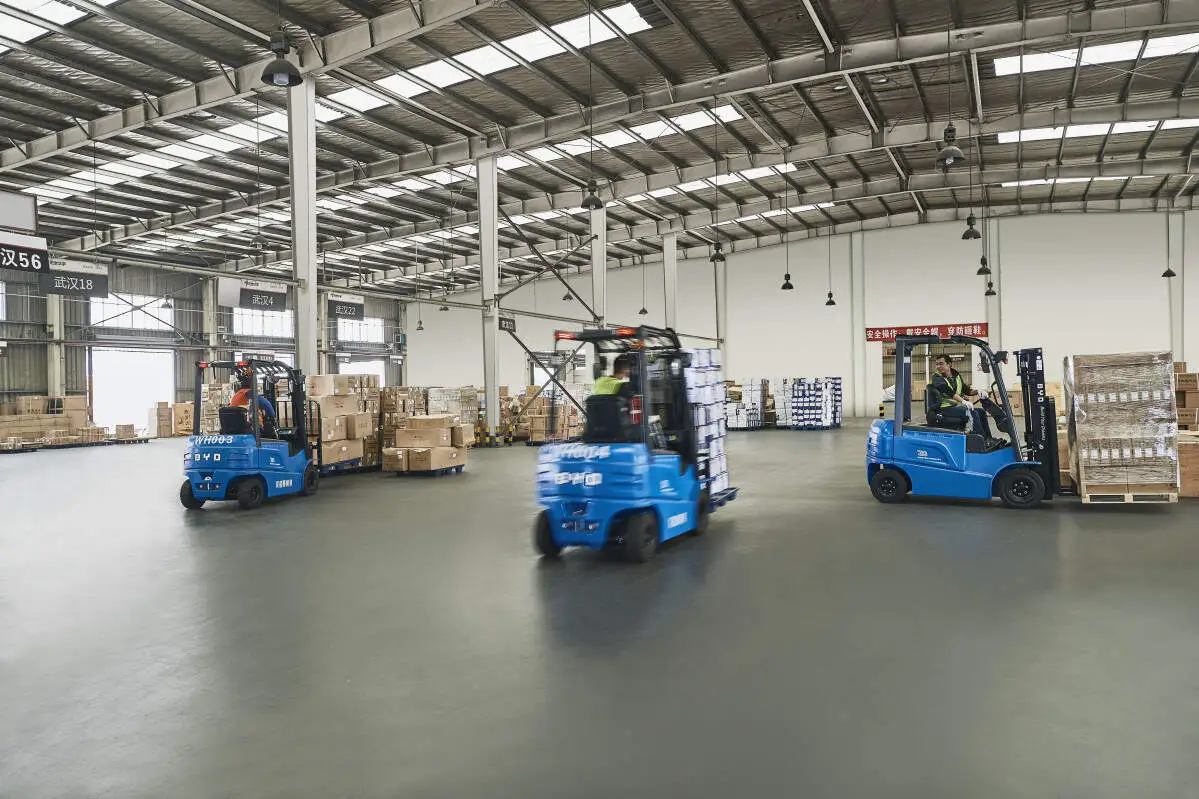
3. การออกแบบที่มีน้ำหนักเบาของยานพาหนะทั้งหมด: ปรับโครงสร้างเฟรมให้เหมาะสมเลือกวัสดุอลูมิเนียมอัลลอยด์ที่มีความแข็งแรงสูงลดภาระของน้ำหนักตัวในระบบไฟฟ้าและปรับปรุงความสามารถในการปีนเขาและภาระหนักภายใต้สภาพการทำงานที่อุณหภูมิต่ำ
# การออกแบบการป้องกันอุณหภูมิต่ำสำหรับระบบไฟฟ้า
อุณหภูมิต่ำและความชื้นสูงในสภาพแวดล้อมของห้องเย็นสามารถนำไปสู่น้ำค้างแข็งและไฟฟ้าลัดวงจรของส่วนประกอบไฟฟ้าได้อย่างง่ายดาย ความปลอดภัยของระบบต้องได้รับการประกันจากประเด็นต่อไปนี้:
1. ชุดสายไฟและการป้องกันขั้วต่อ: ชุดสายไฟรถยนต์ทั้งหมดใช้ชั้นฉนวนยางฟลูออรีน ขั้วต่อต้องมีระดับการป้องกันที่สูงกว่า IP67 และภายในเต็มไปด้วยสารเคลือบหลุมร่องฟันกันน้ำเพื่อหลีกเลี่ยงการลดลงของประสิทธิภาพของฉนวนที่เกิดจากน้ำค้างแข็งที่อุณหภูมิต่ำ
2. ฟังก์ชั่นการอุ่นระบบวงจร: ก่อนเริ่มวงจรหลัก (เช่นตัวควบคุมเซ็นเซอร์) ผ่านลวดความร้อนแรงดันต่ำเพื่ออุ่นเครื่อง 10-15 วินาทีเพื่อป้องกันความล้มเหลวที่เกิดจากการสัมผัสวงจรไม่ดีที่อุณหภูมิต่ำ
3. การปรับอุณหภูมิต่ำของระบบไฮดรอลิก: ปั๊มไฮดรอลิกใช้ปั๊มลูกสูบแกนชนิดอุณหภูมิต่ำรวมกับน้ำมันไฮดรอลิกที่ทนต่อการสึกหรอที่ระดับความหนืด -40 ℃และรักษาอุณหภูมิน้ำมันไฮดรอลิกผ่านอุปกรณ์ติดตามความร้อนของท่อ (กำลัง ≤50W) เพื่อให้มั่นใจถึงความเร็วในการตอบสนองของระบบไฮดรอลิก
การจับคู่พารามิเตอร์ประสิทธิภาพที่สำคัญสำหรับสภาพการทำงานที่ลบ 20 ℃
ในการกำหนดค่าเฉพาะ จำเป็นต้องรวมข้อกำหนดที่แท้จริงของสถานการณ์การทำงานของห้องเย็น และเน้นที่การจับคู่พารามิเตอร์ต่อไปนี้:
# ประสิทธิภาพการทำงานที่ปรับให้เข้ากับสภาพการทำงาน
- ความสามารถในการยกและการจัดการ: ขึ้นอยู่กับน้ำหนักเฉลี่ยของสินค้า (เช่น 1-3 ตัน) เลือกรถยกที่มีน้ำหนักยกที่ตรงกันและความเร็วในการยกต้องใช้ ≥0.2m / s (การไหลของน้ำมันไฮดรอลิกลดลงที่อุณหภูมิต่ำ และจำเป็นต้องเพิ่มการไหลของปั๊มอย่างเหมาะสม)
- การบังคับเลี้ยวและการผ่าน: ความกว้างของช่องห้องเย็นมักจะอยู่ที่ 2.5-3 เมตรและรัศมีการบังคับเลี้ยวต้องอยู่ที่ ≤2 เมตร ใช้ระบบบังคับเลี้ยวแบบไฮดรอลิกเต็มรูปแบบที่จับพวงมาลัยมีฟิล์มความร้อนอุณหภูมิต่ำเพื่อให้มั่นใจถึงความสะดวกสบายในการใช้งานในสภาพแวดล้อมที่มีอุณหภูมิต่ำ
# ข้อกำหนดด้านความปลอดภัยและการปฏิบัติตาม
- ระดับการป้องกัน: ระดับการป้องกัน IP ของยานพาหนะทั้งหมดต้องสูงกว่า IP54 เพื่อหลีกเลี่ยงการบุกรุกของไอน้ำในสภาพแวดล้อมที่มีอุณหภูมิต่ำเข้าสู่ระบบไฟฟ้า กระจกห้องโดยสารใช้การเคลือบป้องกันหมอกเพื่อป้องกันไม่ให้น้ำค้างแข็งที่อุณหภูมิต่ำส่งผลกระทบต่อสายตา
- การเบรกฉุกเฉินและการเตือน: การกำหนดค่าน้ำมันเบรกพิเศษสำหรับสภาพแวดล้อมที่มีอุณหภูมิต่ำ (จุดเยือกแข็ง 11728413 2001-45 ℃) จังหวะแป้นเบรกสั้นลง 5-10 มม. เมื่อเทียบกับสภาพการทำงานที่อุณหภูมิปกติเพื่อให้แน่ใจว่าการตอบสนองการเบรกที่ไวต่ออุณหภูมิต่ำ การติดตั้งเรดาร์ถอยหลังและอุปกรณ์เตือนภัยด้วยเสียงและแสงเพื่อลดความเสี่ยงของจุดบอดที่มองเห็นได้ในสภาพแวดล้อมที่มีอุณหภูมิต่ำ
การเลือกโมดูลการทำงานที่ปรับให้เข้ากับสถานการณ์
ตามความหลากหลายของการดำเนินงานห้องเย็นโมดูลการทำงานสามารถกำหนดค่าได้ในลักษณะที่เป็นเป้าหมาย:
- การปรับการทำงานของโซนหลายอุณหภูมิ: หากห้องเย็นมีพื้นที่แช่แข็ง -20 ℃และพื้นที่ทำความเย็น 0 ℃สามารถเลือกโมดูลทำความร้อนแบตเตอรี่แบบเปลี่ยนได้เพื่อให้เกิดการทำงานข้ามโซนอุณหภูมิโดยการปรับกำลังความร้อน (50-200W)
- การจัดการสินค้าพิเศษ: สำหรับสินค้าที่มีรูปร่างยาว (เช่นเนื้อแช่แข็ง ท่อ) สามารถติดตั้งส้อมพับเก็บได้; สำหรับสินค้าพาเลทสามารถกำหนดค่าคลิปไฮดรอลิกพร้อมฟังก์ชั่นการชั่งน้ำหนักและข้อผิดพลาดความแม่นยำในการชั่งน้ำหนัก≤±0 5%
- การขยายระบบอัตโนมัติ: หากจำเป็นต้องตระหนักถึงการทำงานแบบไร้คนขับอินเทอร์เฟซการนำทาง AGV สามารถจองได้และสามารถกำหนดค่าเซ็นเซอร์นำทางด้วยเลเซอร์ (อุณหภูมิการทำงาน - 25 ℃ถึง 55 ℃) ด้วยโมดูลการสื่อสารไร้สายที่ทำงานได้อย่างเสถียรในสภาพแวดล้อมที่มีอุณหภูมิต่ำ
ข้อควรระวังอุณหภูมิต่ำสำหรับการใช้งานและการบำรุงรักษา
หลังจากการกำหนดค่าเสร็จสิ้น จำเป็นต้องสร้างข้อกำหนดการใช้งานและการบำรุงรักษาภายใต้สภาวะอุณหภูมิต่ำ:
- การตรวจสอบก่อนดำเนินการรายวัน: ต้องตรวจสอบอุณหภูมิแบตเตอรี่ก่อนดำเนินการ (≥0 ℃ก่อนเริ่ม) เพื่อยืนยันสถานะ BMS ผ่านจอแสดงผลออนบอร์ด แรงดันลมยางจะลดลงที่อุณหภูมิต่ำและจำเป็นต้องปรับล่วงหน้าเป็น 1.1 เท่าของค่ามาตรฐาน
- การจัดการการชาร์จ: ย้ายชุดแบตเตอรี่ไปที่สภาพแวดล้อมที่สูงกว่า 5 ℃เพื่ออุ่นเครื่องเป็นเวลา 30 นาทีก่อนชาร์จเพื่อหลีกเลี่ยงปัญหาการแยกลิเธียมที่เกิดจากการชาร์จที่อุณหภูมิต่ำ ตรวจสอบอุณหภูมิแบตเตอรี่ระหว่างการชาร์จและหยุดการชาร์จโดยอัตโนมัติเมื่อเกิน 40 ℃
- การบำรุงรักษาปกติ: ชาร์จแบตเตอรี่อย่างสมดุลทุก ๆ 3 เดือนตรวจสอบการหล่อลื่นของตลับลูกปืนมอเตอร์ทุกเดือนและเปลี่ยนจาระบีพิเศษที่อุณหภูมิต่ำ เปลี่ยนน้ำมันไฮดรอลิกอุณหภูมิต่ำทุก ๆ หกเดือนในระบบไฮดรอลิกเพื่อให้แน่ใจว่าไม่มีความชื้นตกค้างในระบบ
ในสภาพแวดล้อมห้องเย็นโซ่เย็นที่อุณหภูมิลบ 20 ℃การกำหนดค่าของรถยกแบตเตอรี่ลิเธียมจะต้องมุ่งเน้นไปที่การปรับตัวที่อุณหภูมิต่ำและผ่านวิธีการทางเทคนิคเช่นฉนวนแบตเตอรี่การเพิ่มประสิทธิภาพพลังงานและการป้องกันไฟฟ้าเพื่อให้แน่ใจว่าการทำงานที่มั่นคงของอุปกรณ์ในสภาพแวดล้อมที่รุนแรง เมื่อเลือกประเภทองค์กรควรกำหนดแผนการกำหนดค่าทางวิทยาศาสตร์ตามความถี่ในการดำเนินงานประเภทสินค้าและรูปแบบเชิงพื้นที่และในขณะเดียวกันก็ให้ความสำคัญกับการบำรุงรักษารายวันและข้อกำหนดการใช้งานเพื่อให้เกิดประสิทธิภาพและความปลอดภัยของการจัดเก็บโซ่เย็น


