
 简体中文
简体中文 Deutsch
 日本語
日本語 한국어
한국어 Tiếng Việt
 Русский
 ไทย
ไทย Bahasa Indonesia
 Bahasa Melayu
 Filipino
 لالعربية
 Français
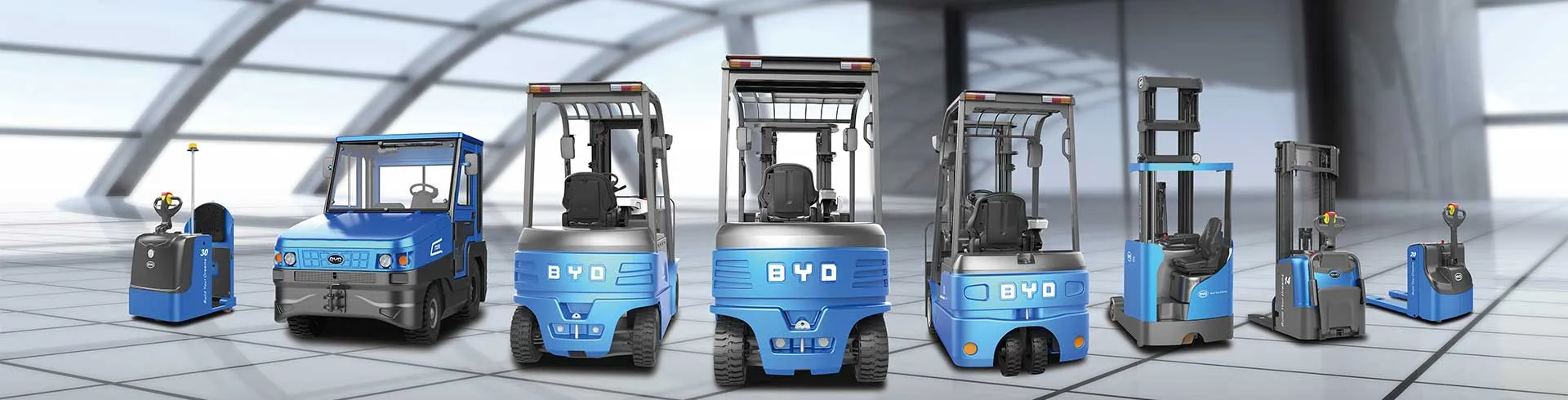
With the rapid development of the logistics industry and manufacturing industry, the demand for electric forklifts as core handling equipment continues to grow. In recent years, more and more enterprises have begun to replace lithium-ion forklifts in batches, and there are many core driving factors behind this trend. From policy orientation to actual operation, from technology maturity to use experience, the decision logic of enterprises to choose lithium-ion forklifts can be analyzed from the following dimensions.
Policy-driven: an inevitable choice under the dual-carbon target
In the context of the global "dual carbon" goal, green and low-carbon has become the core consideration for the sustainable development of enterprises. Traditional fuel forklifts generate a lot of carbon emissions and exhaust gas pollution during use, while lithium-ion forklifts, as zero-emission equipment, can effectively reduce the carbon footprint of enterprises. Policies such as the "14th Five-Year Plan" for the Modern Energy System issued at the national level have clearly promoted the electrification of logistics equipment. Local governments have also encouraged enterprises to purchase new energy equipment through financial subsidies and tax incentives. For enterprises, replacing lithium-ion forklifts is not only a compliance behavior in response to environmental protection policies, but also a necessary measure in green production certification and green supply chain construction, which helps to enhance the overall competitiveness of enterprises.
Operating cost optimization: the economic advantages of long-term investment
Enterprise equipment procurement decisions always take cost-effectiveness as the core. The operating cost of lithium-ion forklifts during the whole life cycle is significantly lower than that of traditional fuel forklifts. From the perspective of energy costs, the price of electricity is relatively stable, and the unit energy consumption cost is much lower than that of fuel. Especially in the market environment with large fluctuations in oil prices, long-term use can save considerable costs. In terms of maintenance costs, the structure of lithium-ion forklifts is relatively simple, without complex engines, gearboxes and other components, reducing the frequency of parts replacement and maintenance. As a core component, batteries have a high degree of technological maturity. The battery cycle life of mainstream lithium-ion forklifts can reach more than 8,000 times, and the comprehensive maintenance cost is only 1/3 to 1/2 of that of fuel forklifts. In addition, lithium-ion forklifts do not need to purchase additional fuel, oil and other consumables, The data shows that most companies can recover the equipment purchase price difference after 1-2 years of using lithium-ion forklifts, achieving a positive cost cycle.
Technology iteration: lithium-ion forklift performance is fully upgraded
Early electric forklifts were limited by battery technology, with problems such as short battery life and slow charging, which restricted their application in complex scenarios. In recent years, the rapid iteration of lithium battery technology has completely changed this situation. The application of high-energy density lithium batteries has greatly improved the battery life of lithium-ion forklifts. Mainstream models can meet the needs of 8-12 hours of continuous operation on a single charge, and some heavy-duty models can also achieve 4-6 hours of high-intensity use. The progress of charging technology is also significant. 80% of the power can be replenished in 30 minutes in fast charging mode, and the power exchange mode further shortens the idle time of equipment and improves the turnover efficiency. In addition, the popularity of intelligent control systems has enabled lithium-ion forklifts to have functions such as precise positioning and path planning, making operation more convenient and reducing the rate of human error. These technological breakthroughs have allowed lithium-ion forklifts to outperform traditional fuel-powered forklifts in performance, making them the best choice for enterprises to upgrade their equipment.
Adaptation to usage scenarios: flexible choices for diverse needs
With its flexibility and adaptability, lithium-ion forklifts can cover a variety of scenarios such as warehousing, logistics, workshops, etc. From light handling to heavy loading and unloading, lithium-ion forklifts of different tonnages and sizes can meet the diverse operation needs of enterprises. Compared with traditional fuel forklifts, lithium-ion forklifts have low operating noise (about 65 decibels or less) and small vibration, which is more in line with the environmental protection requirements of closed spaces such as workshops and warehouses, and improves the comfort of the working environment. In low temperature environments, the battery performance attenuation of lithium-ion forklifts is smaller than that of lead-acid batteries, and the starting efficiency is higher. It is suitable for winter operation needs in northern regions. In addition, lithium-ion forklifts support a variety of operating modes, such as forward-moving, counterweight, picking, etc., which can be flexibly configured according to the specific warehouse layout and cargo type of the enterprise, eliminating the need for additional renovation sites and reducing the cost of equipment upgrades.
Industry trends: from pilot applications to large-scale adoption
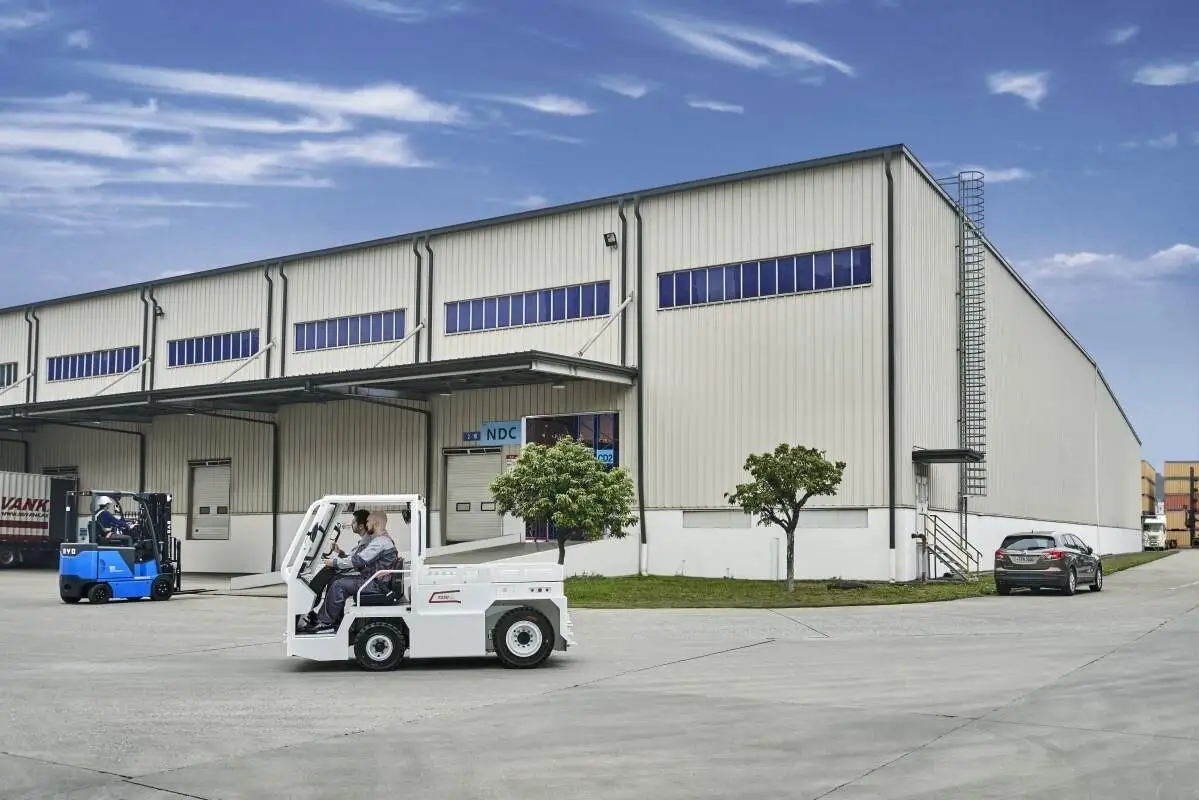
With the expansion of market demand, the lithium-ion forklift industry has formed a complete supply chain system. From battery production, forklift manufacturing to after-sales services, all links of the industrial chain have gradually matured, equipment prices have stabilized, and the threshold for enterprise procurement has been significantly reduced. At the same time, the rise of the leasing model has provided enterprises with more flexible choices. Through leasing, the initial investment cost of equipment can be shared, reducing capital pressure, which is especially suitable for enterprises with large business fluctuations. In addition, the large-scale procurement of leading enterprises has further promoted the standardization of lithium-ion forklift technology and the improvement of the service network. Enterprises can obtain more timely maintenance support during use, reducing equipment failure and downtime. The combined effect of these factors has enabled lithium-ion forklifts to move from the pilot application stage to the large-scale popularization stage, becoming the mainstream choice for enterprise equipment upgrades.
Overall, the batch replacement of lithium-ion forklifts by enterprises is the result of the combined effect of multiple factors such as policies, costs, technologies and scenarios. With the deepening of the dual-carbon goal, continuous technological progress and the improvement of the industry's ecology, lithium-ion forklifts will play an increasingly important role in logistics and manufacturing, promoting the industry to develop in a green, efficient and intelligent direction.


