简体中文
简体中文 Deutsch
 日本語
日本語 한국어
한국어 Tiếng Việt
 Русский
 ไทย
ไทย Bahasa Indonesia
 Bahasa Melayu
 Filipino
 لالعربية
 Français
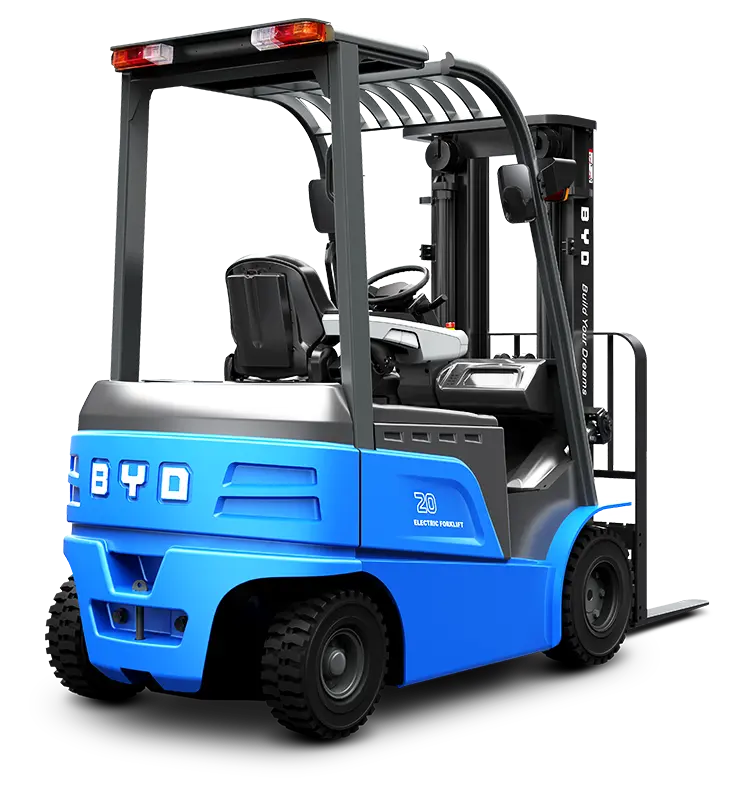
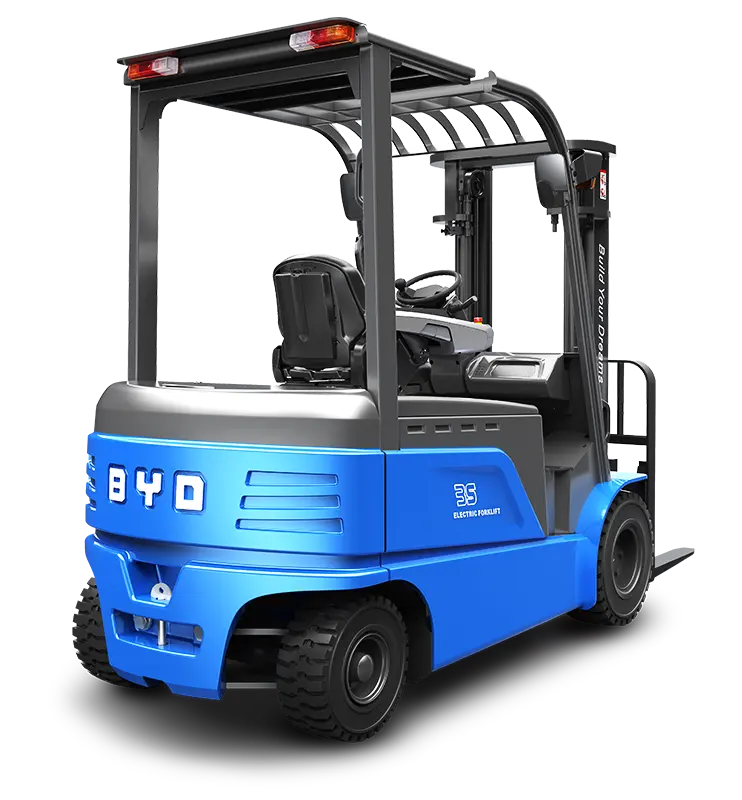
3-Ton lithium-ion forklifts are commonly used handling equipment in logistics warehousing and manufacturing scenarios. Standardized charging operations and daily usage habits can not only prolong the service life of batteries and vehicles, but also effectively reduce the probability of safety accidents.
Preparation before charging. Before charging, confirm that the vehicle is in a state of flameout and power failure, pull the handbrake and unplug the start key, and park the vehicle in a ventilated and dry area away from flammable and explosive items. Carefully check the charging interface for water stains, dust, metal debris and other foreign objects. If necessary, wipe it with a clean dry rag before connecting the charging device. At the same time, confirm that the output voltage of the charging facility matches the rated voltage of the forklift battery. Avoid using charging devices that do not meet the parameter requirements.
Precautions for the charging process. When connecting the charging gun, make sure that the interface is firmly plugged in to avoid loosening the interface or cable damage caused by pulling the charging cable. It is forbidden to start the vehicle during the charging process, and do not stack sundries, welding and other open flame operations in the charging area. At the same time, do not disassemble, repair or clean the vehicle in the charged state. If the battery case is found to be abnormally hot, smelly or smoking during the charging process, cut off the charging power supply as soon as possible, contact professional technicians to investigate the fault, and do not disassemble the battery components without permission.
Standardized operation after charging. After the battery is fully charged, unplug the charging port on the vehicle side, then disconnect the plug on the power supply side, and cover the dust protective cover of the charging port in time to avoid hidden dangers caused by foreign objects entering. In daily use, it is recommended to charge the battery when the remaining power is 20% to 30%. Do not wait for the power to completely exhaust the booster charge, and do not charge continuously for a long time beyond the recommended time to avoid overcharging and damage the battery activity.
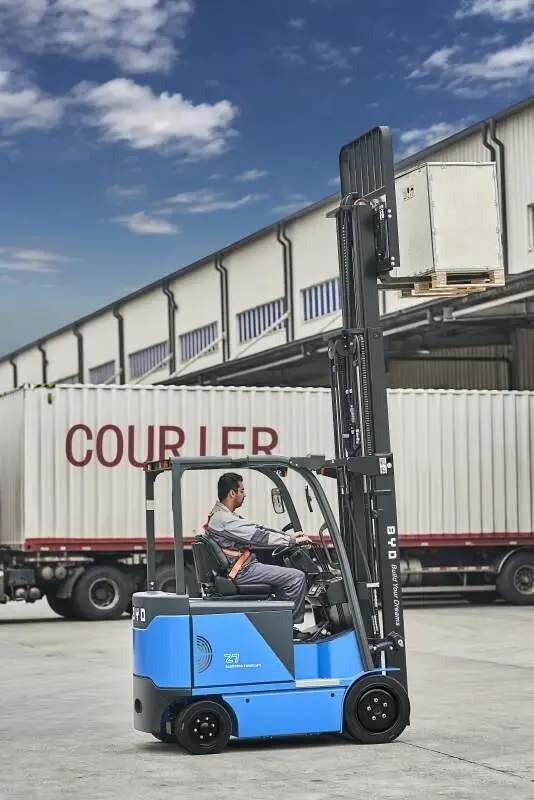
Inspection requirements before operation. Operators need to hold the corresponding category of special equipment operation certificate to work. Before operation, they should wear anti-skid protective shoes and other labor protection products, and must not wear slippers or high heels to work. Before each departure, check whether the remaining battery power, brake sensitivity, and steering system are normal, and confirm that the tires are not obviously damaged and there are no obstacles around the body before starting the vehicle.
Operational specifications for the operation process. When operating, do not exceed the rated load of the vehicle, the goods should be stacked and aligned smoothly. It is strictly forbidden to stand on the raised fork. When encountering turns, intersections, and crowded areas during driving, slow down and honk, and actively avoid pedestrians. Do not drive on the road surface beyond the allowable climbing angle of the vehicle, and do not operate at will in flammable and explosive areas without protective measures.
Maintenance points for daily storage. When the vehicle is idle, it should be parked in a designated dry and ventilated area to avoid long-term open-air exposure or rain exposure. If the vehicle needs to be idle for a long time, it is recommended to recharge it once a month to avoid long-term battery power loss and capacity attenuation. Regularly contact professionals to check the battery status and vehicle wiring, and replace aging parts in time to eliminate safety hazards such as looseness and liquid leakage.