简体中文
简体中文 Deutsch
 日本語
日本語 한국어
한국어 Tiếng Việt
 Русский
 ไทย
ไทย Bahasa Indonesia
 Bahasa Melayu
 Filipino
 لالعربية
 Français
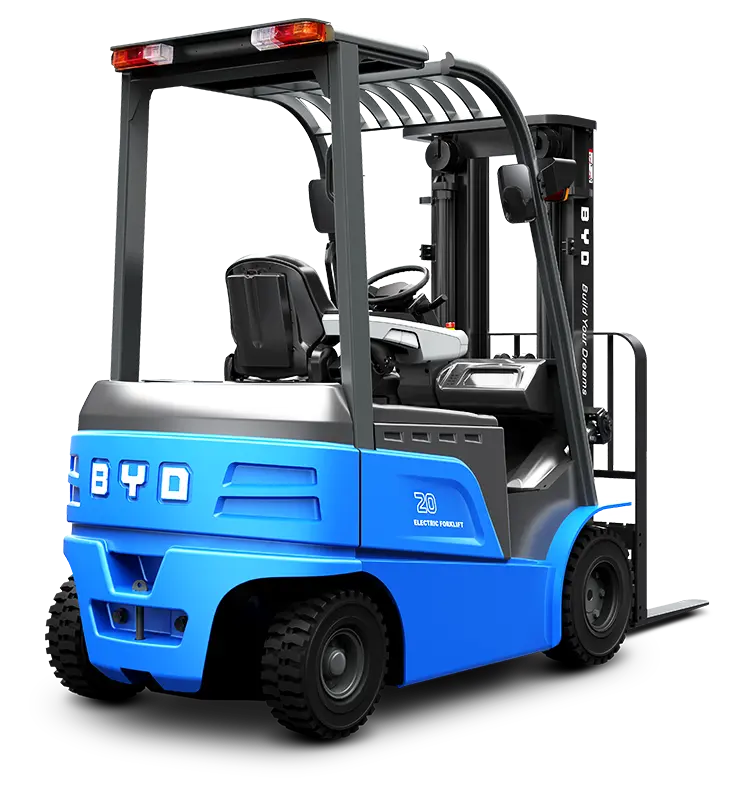
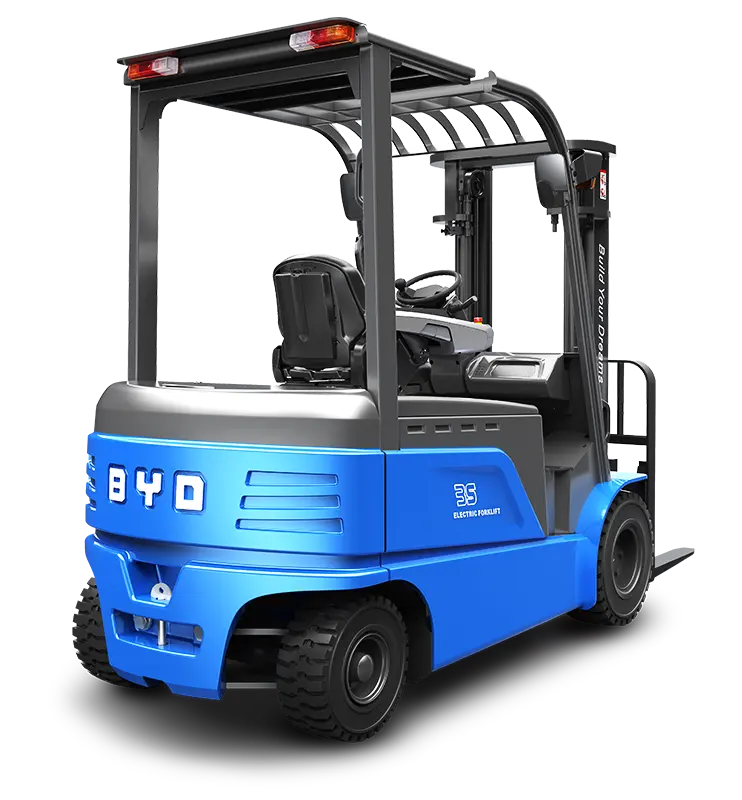
Core technical standards for explosion-proof lithium forklifts
Electrical system explosion-proof standard
The electrical system of an explosion-proof lithium forklift needs to comply with the relevant national standards for explosion-proof electrical equipment. All live components must be treated with flameproof and increased safety. The circuit is equipped with multiple over-current, over-voltage, and short-circuit protection devices to avoid the risk of ignition such as electric sparks and abnormal high temperatures during operation. The wiring ports should also be sealed and insulated to avoid circuit failures caused by dust and liquid intrusion.
Battery system safety standards
The matching lithium battery needs to be specially modified for explosion protection. The shell is made of sealed flame retardant material, and the built-in temperature, voltage and current real-time monitoring module can automatically trigger the power-off protection mechanism when abnormal working conditions occur. At the same time, the battery must pass various extreme working conditions tests such as low temperature, collision, extrusion, and puncture, and there will be no safety problems such as liquid leakage, fire, and explosion.
Vehicle protection performance standard
The vehicle shell should meet the corresponding level of dustproof and waterproof requirements, the exposed metal parts should be treated with anti-static treatment, and the wheels should be made of non-slip and anti-static materials. The surface temperature of the vehicle during operation should be strictly controlled within the threshold required by the corresponding explosion-proof grade to avoid safety accidents caused by contact with flammable and explosive media.
The main application scenarios of explosion-proof lithium forklifts
Chemical and hazardous chemicals storage scenarios
This type of scenario involves the storage of flammable and explosive chemical raw materials, refined oil, and hazardous reagents all year round. Electrical sparks and static electricity generated during ordinary forklift operation can cause combustion and explosion accidents. The multi-protection design of explosion-proof lithium-ion forklifts can be adapted to the handling needs of this type of area, taking into account operational efficiency and safety.
Dust explosion-related processing scene
In production scenarios such as grain processing, wood processing, and metal grinding, a large amount of flammable dust is suspended in the air, which can easily explode when exposed to an open flame after reaching the concentration threshold. The low-temperature operation and no-open flame design of explosion-proof lithium forklifts can meet the transportation needs of raw materials and finished products in such production areas.
Special closed storage scenario
Some closed cold chain warehouses and hazardous transit warehouses have poor ventilation conditions, and flammable and explosive media are easy to accumulate. Ordinary fuel forklifts can also produce hidden exhaust emissions. The characteristics of explosion-proof lithium forklifts with zero emissions and low noise not only meet the safety requirements of such scenarios, but also reduce air pollution in confined spaces.
Practitioners should choose equipment that meets the corresponding technical standards based on the explosion-proof level requirements of their own operating scenarios, and perform regular inspections and maintenance according to the specifications in order to give full play to the safety and efficiency advantages of the equipment.