简体中文
简体中文 Deutsch
 日本語
日本語 한국어
한국어 Tiếng Việt
 Русский
 ไทย
ไทย Bahasa Indonesia
 Bahasa Melayu
 Filipino
 لالعربية
 Français
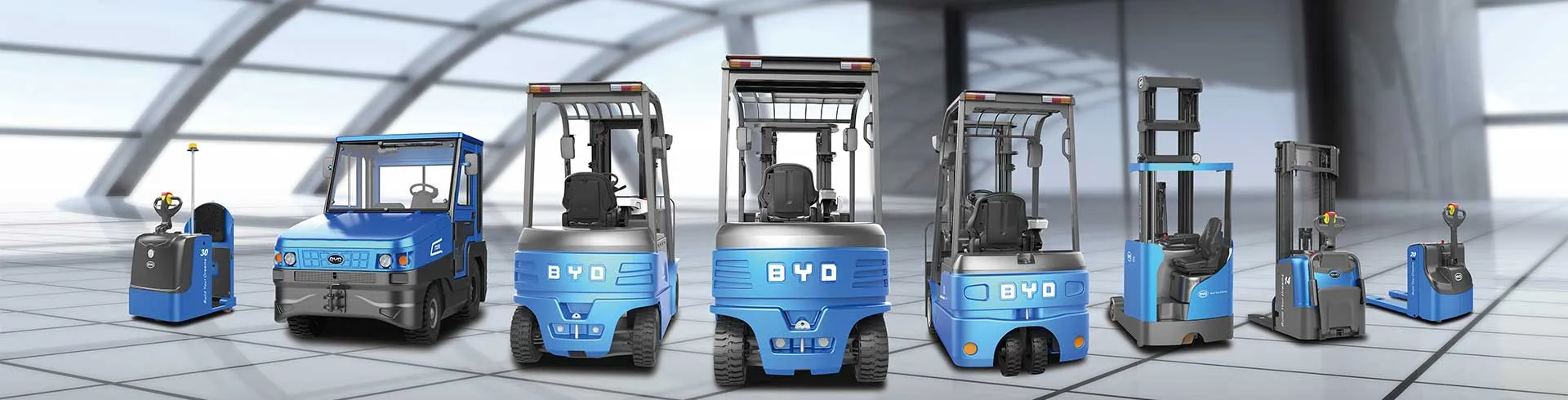
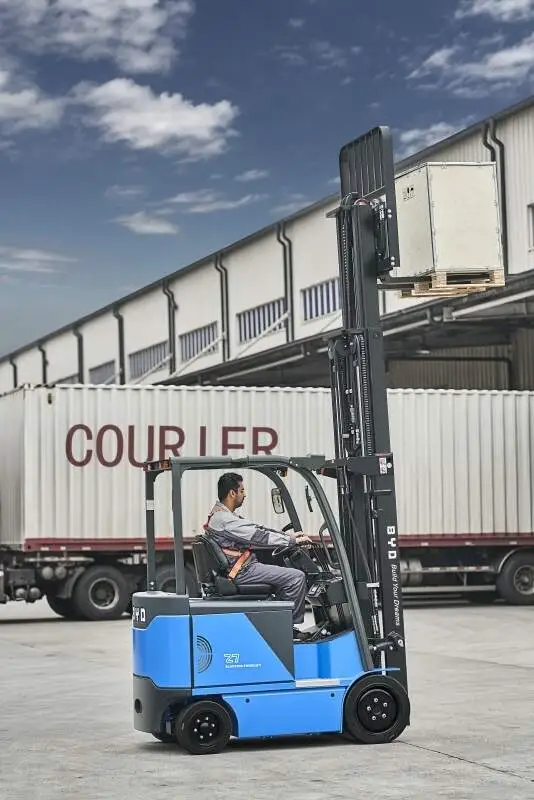
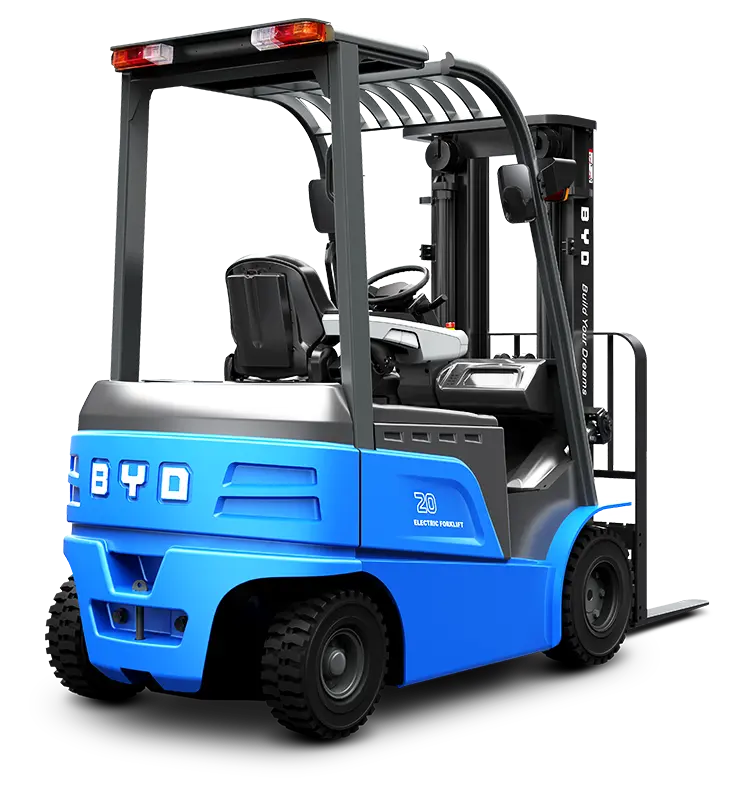
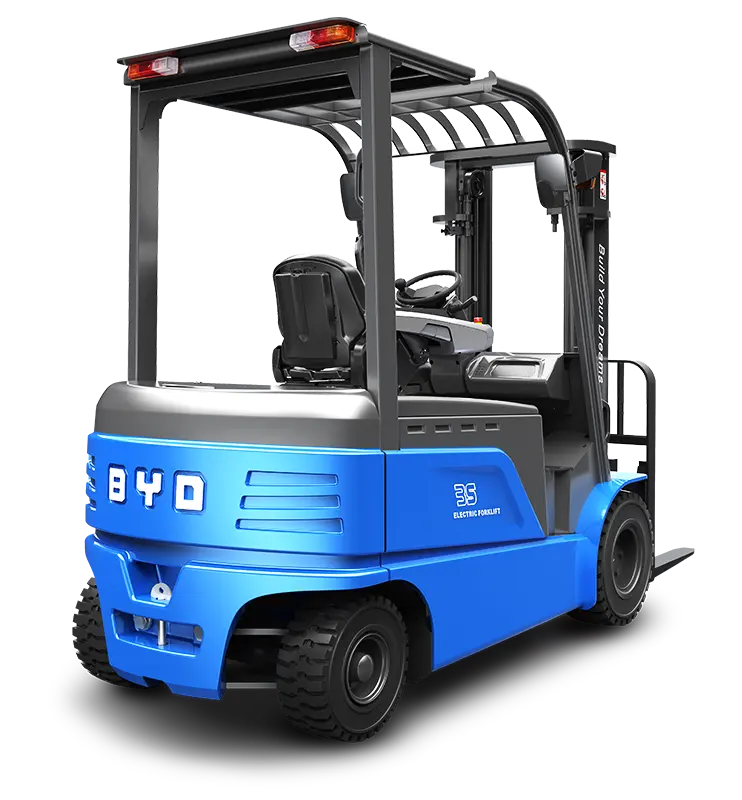
At present, the demand for multi-shift continuous operation in the fields of industrial logistics, warehousing and sorting is constantly increasing. As the core handling equipment, the operation continuity of forklifts directly affects the overall operation efficiency. Compared with traditional fuel forklifts and lead-acid battery forklifts, the adaptability advantages of lithium-ion forklifts in multi-shift operation scenarios are increasingly prominent, and the core reasons are mainly concentrated in several dimensions.
Battery life adapts to long-cycle operation requirements
High energy density supports single shift operation
The energy density of lithium batteries is higher than that of traditional lead-acid batteries. Under the same volume and weight, the power storage of lithium batteries can be increased by 30% to 50%. In conventional operation scenarios, a single fully charged lithium forklift can stably support 8 to 10 hours of single-shift operation, without running out of power in the middle of the operation, reducing the frequency of energy replenishment in the middle.
Fast charging technology opens up the energy gap
Fragmentation time can complete the replenishment
Lithium-ion forklifts generally support high-power fast charging, and most products can be charged to 80% in 1 hour, which can just match the rest gap and meal time of employee handover to replenish energy. There is no need to specifically reserve time for offline charging, and there is no need to configure multiple sets of spare batteries to replace back and forth, saving the manpower and time cost of battery replacement, and being able to adapt to the rhythm of 24-hour continuous work.
Low operational attributes reduce non-operational downtime
Stability can reduce operation and maintenance costs
Lithium forklifts have stronger discharge stability, and can maintain a stable power output under large loads and long-term continuous operation scenarios, without the problem of power attenuation when the power drops. At the same time, lithium batteries have a longer cycle life, and daily operation and maintenance only need to do basic interface cleaning and status inspection. There is no need to regularly replenish liquid and measure specific gravity like lead-acid batteries, which greatly reduces the time occupied by operation and maintenance, reduces the probability of non-operation downtime, and better meets the efficient needs of multi-shift continuous operation.
Overall, these characteristics of lithium-ion forklifts just match the current requirements for continuous operation efficiency in the manufacturing and logistics industries, which can help enterprises reduce the loss of operation interruption and improve overall operating efficiency.