简体中文
简体中文 Deutsch
 日本語
日本語 한국어
한국어 Tiếng Việt
 Русский
 ไทย
ไทย Bahasa Indonesia
 Bahasa Melayu
 Filipino
 لالعربية
 Français
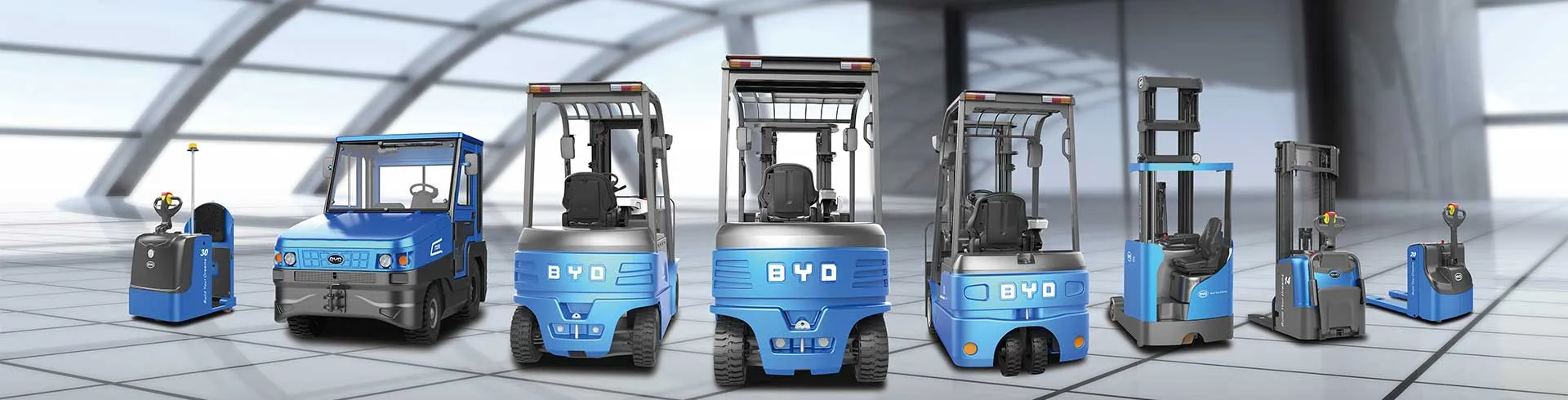
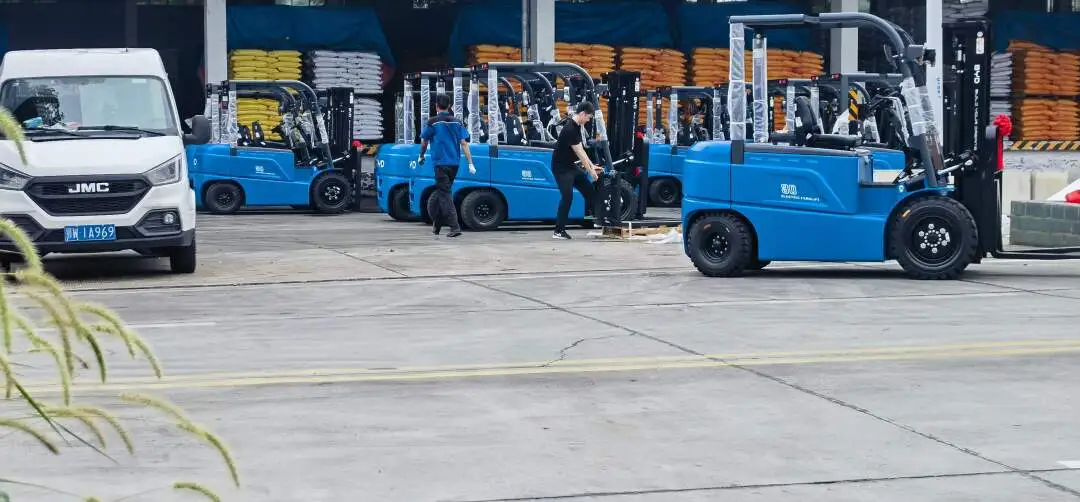
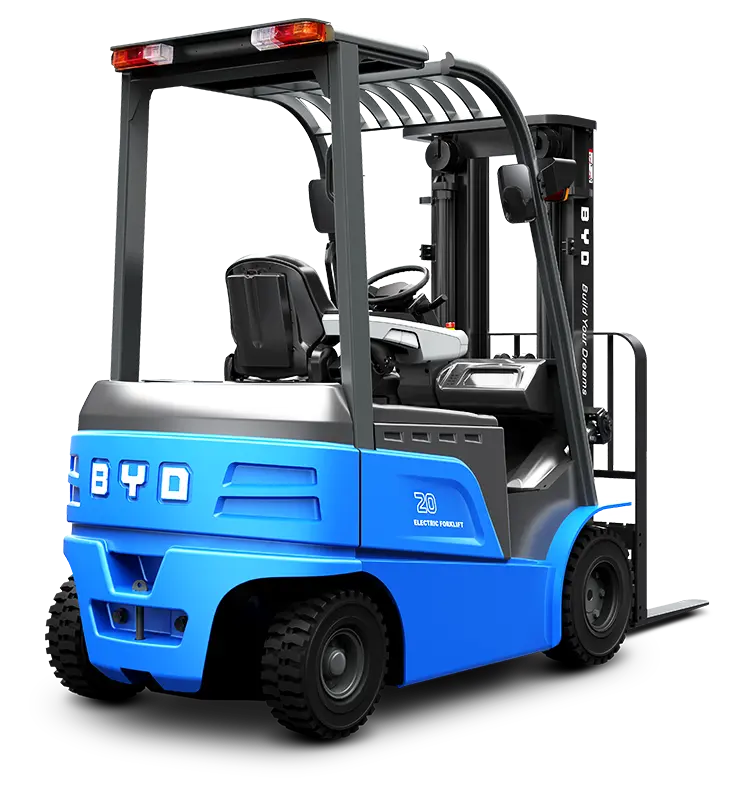
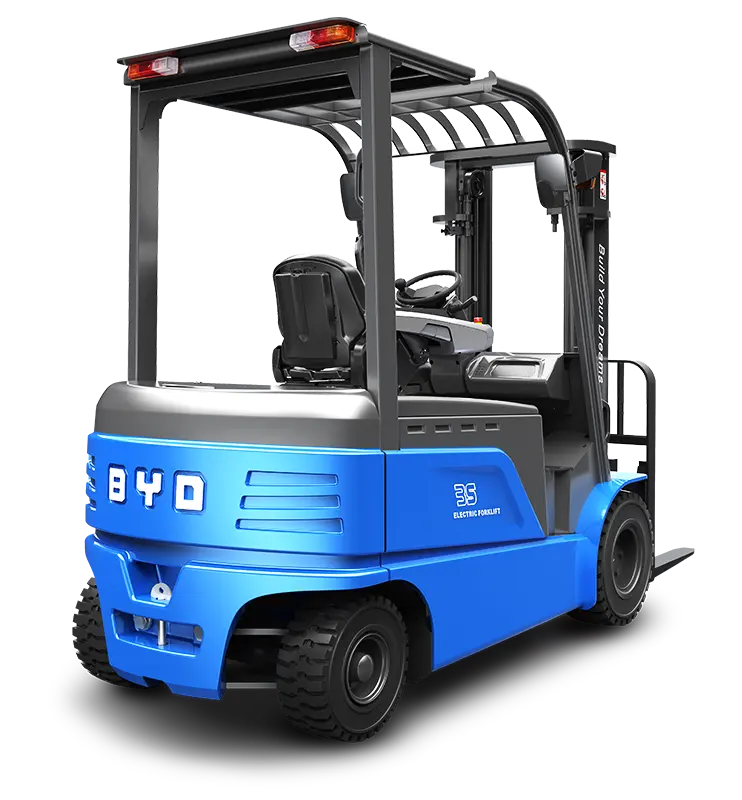
With the refined development of the warehousing and logistics industry, the three-point lithium-ion forklift, as a representative of lightweight handling equipment, has attracted the attention of many practitioners. Next, we will do relevant science popularization from the two dimensions of structural characteristics and applicable scenarios.
Core structure characteristics of three-point lithium-ion forklift truck
Chassis layout design
The chassis of the three-pivot lithium-ion forklift adopts the wheel group layout of the front two and the rear one, and the rear wheel bears the steering function. The turning radius is smaller than that of the ordinary four-pivot forklift, the vehicle is lighter in weight, and the pressure on the ground is lower. The overall structure of the body is compact, the width is narrow, and the steering flexibility during operation is higher. Even in the area with relatively cramped space, it can smoothly complete the U-turn and steering actions, reducing the probability of scratching shelves and goods.
Powertrain configuration
This type of forklift is generally equipped with lithium iron phosphate batteries as a power source, with fast charging speed, stable battery life, no exhaust emissions during use, and low operating noise levels. The overall installation position of the battery is low, which can reduce the center of gravity of the whole vehicle and improve the stability during operation. At the same time, the lithium battery system does not require daily addition of electrolyte, and the follow-up maintenance cost is relatively low.
Common application scenarios of three-point lithium forklifts
Narrow aisle storage operation
For e-commerce warehouses and parts warehouses with a shelf spacing of less than 3 meters, the advantage of the small turning radius of the three-point lithium forklift can be fully realized, and the goods can be put on the shelves and transferred without significantly adjusting the channel width, effectively improving the utilization rate of storage space.
Floor and light load transfer scenarios
Due to the light weight of the vehicle and the low load pressure on the floor, this type of forklift is well-suited for operation in storage areas and multi-storey factories on the second floor and above. For the transshipment of lightweight goods within 1.5 tons, the operation efficiency is significantly higher than that of manual handling, and it will not cause additional damage to the ground.
High-demand special operation scenarios
Due to the absence of exhaust emissions and low operating noise, lithium-ion forklifts can also be used normally in scenes that require hygiene and silence, such as food processing warehouses, pharmaceutical warehouses, and cold chain storage areas, without causing pollution to the stored goods or interfering with the normal operation order of the storage area.
When selecting handling equipment, you can make a comprehensive judgment based on your own operating space, cargo weight, and environmental requirements, and choose the appropriate forklift equipment to effectively improve the efficiency of handling operations.