简体中文
简体中文 Deutsch
 日本語
日本語 한국어
한국어 Tiếng Việt
 Русский
 ไทย
ไทย Bahasa Indonesia
 Bahasa Melayu
 Filipino
 لالعربية
 Français
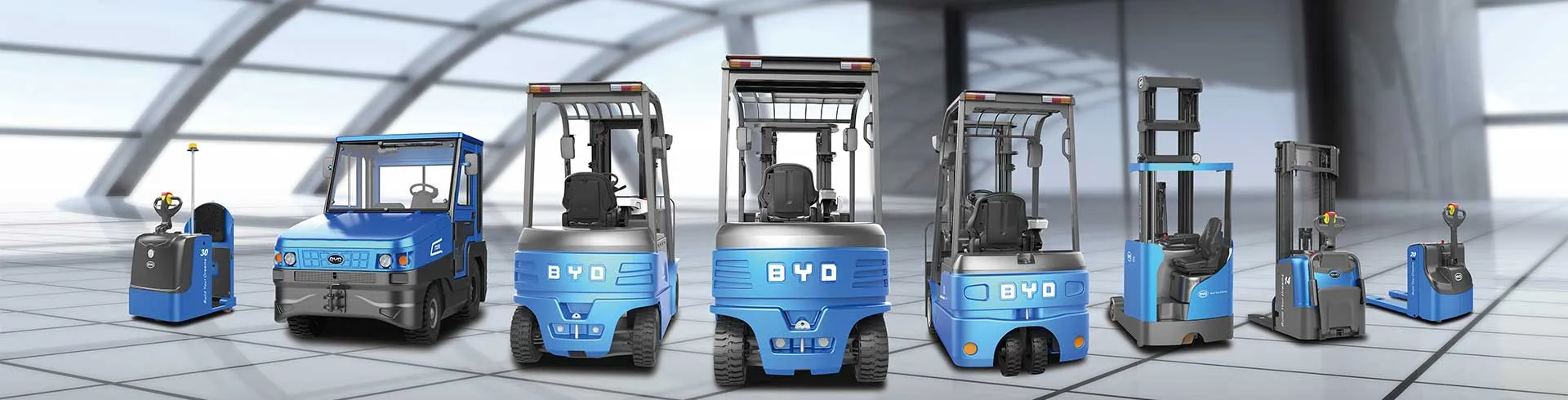
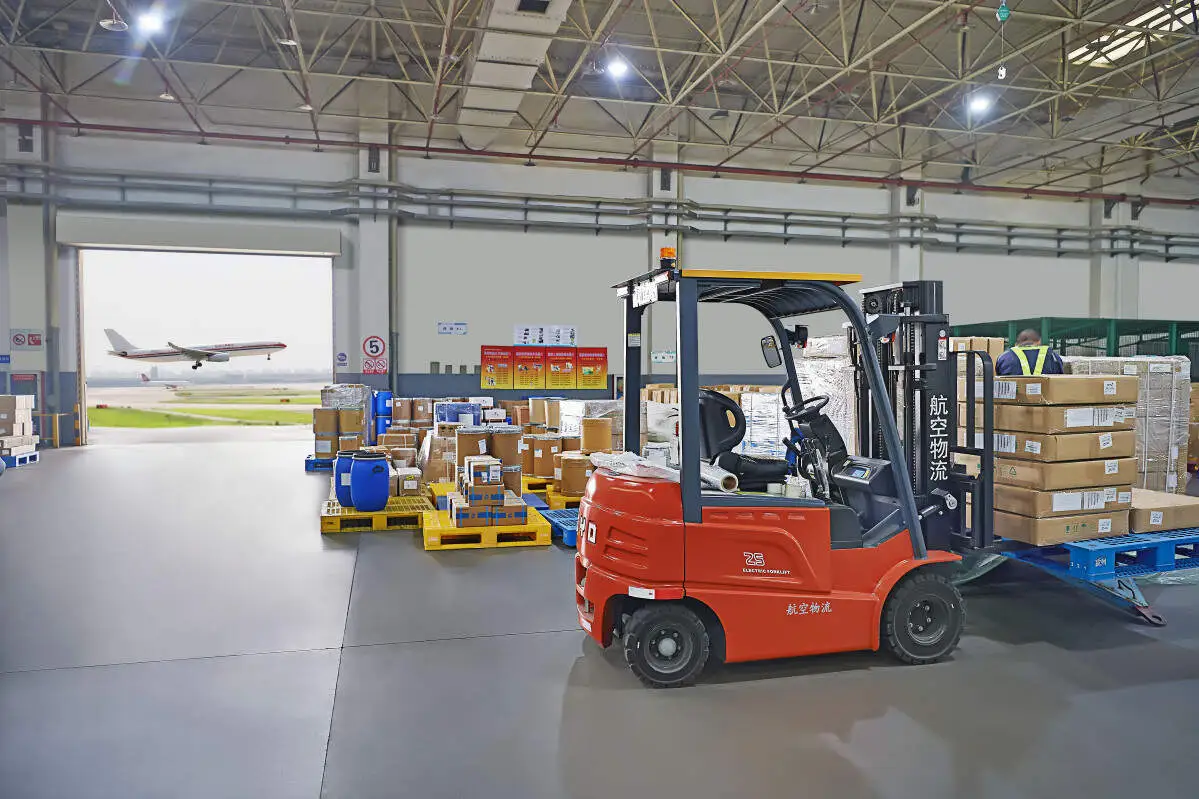
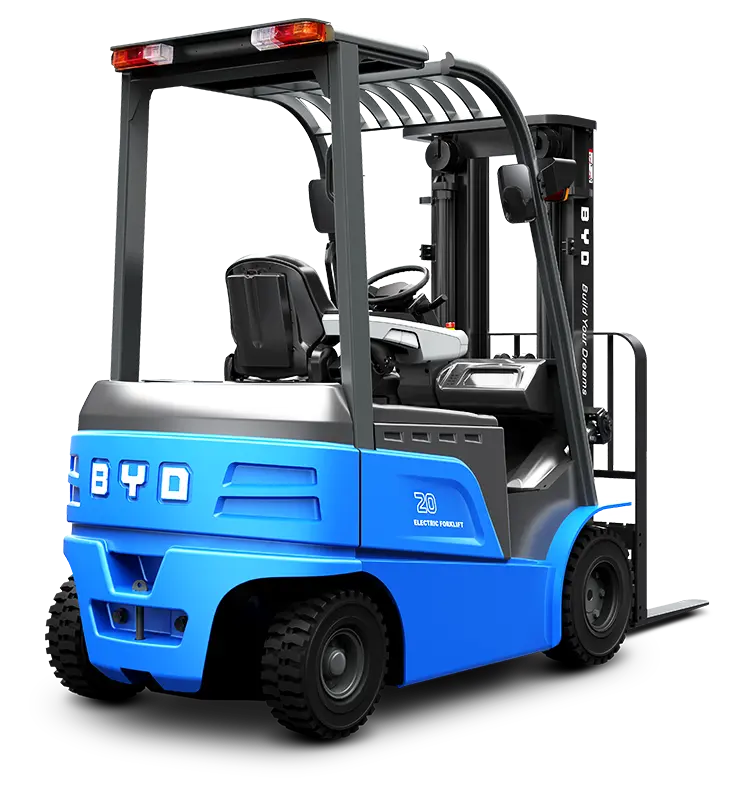
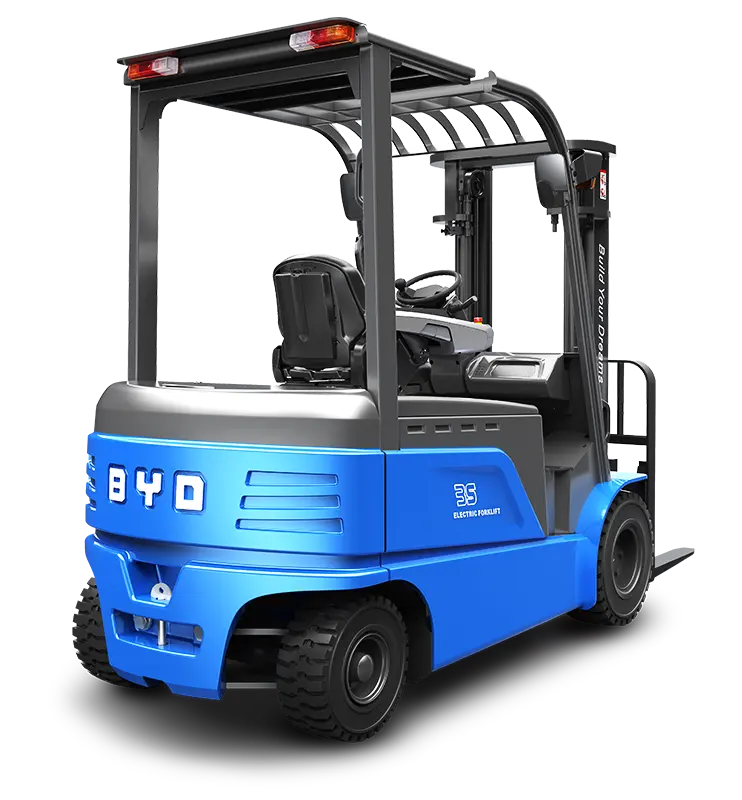
At present, the turnover efficiency requirements of the warehousing and logistics industry are constantly improving, and the selection of handling equipment directly affects the overall operating efficiency. As a handling equipment that has continued to increase in popularity in recent years, lithium-ion forklifts have shown multi-dimensional value in practical applications.
Operating cost control value
Lithium forklifts do not have the regular addition of distilled water, cleaning electrodes and other maintenance processes required for lead-acid forklifts. Daily operation and maintenance only need to do appearance cleaning and line inspection, which effectively reduces operation and maintenance manpower and material costs. The energy conversion efficiency of lithium batteries is generally higher than that of traditional lead-acid batteries. The electricity expenditure under the same amount of work is lower, and it supports charging and use at any time, without reserving a whole charging time, reducing the procurement cost of spare batteries.
Operational efficiency increases value
The battery life of lithium-ion forklifts is more stable, and the characteristics of high energy density make the battery life longer under the same battery volume, which can adapt to the continuous operation needs of high-turnover warehouses. The feature of charging and use is also suitable for the fragmentation gap of warehousing operations. Staff can replenish power within a short time between loading and unloading and resting, without replacing the spare battery, reducing the waiting time for battery replacement and improving the single-day operation time. For special scenarios such as cold chain warehousing, lithium batteries have a lower discharge decay rate in low temperature environments, which can maintain a stable power output and avoid the problem of sudden drop in battery life of traditional batteries in low temperature environments.
Scenario adaptation and compliance value
Lithium forklifts have lower noise during operation and will not produce exhaust emissions. They are suitable for scenarios with high environmental requirements such as closed warehousing and fresh warehousing. They will not cause pollution to the stored goods, and can also reduce the noise pollution of the working environment and improve the work comfort of operators. At the same time, the carbon emissions of lithium forklifts are lower, which meets the current policy requirements of green transformation in the logistics industry. There is no need to worry about issues related to environmental compliance. They are suitable for enterprises that want to declare green warehousing certification.
Long-term operational fit value
The battery cycle life of lithium-ion forklifts is longer, and the battery service life under normal use scenarios is 2 to 3 times that of traditional lead-acid batteries, which reduces the frequency of battery replacement and is more suitable for the long-term operation plan of enterprises. At the same time, lithium-ion forklifts are easier to connect to intelligent warehousing management systems, which can realize real-time upload of operation data, which is convenient for enterprises to digitally control handling operations and adapt to the needs of intelligent warehousing upgrades.