简体中文
简体中文 Deutsch
 日本語
日本語 한국어
한국어 Tiếng Việt
 Русский
 ไทย
ไทย Bahasa Indonesia
 Bahasa Melayu
 Filipino
 لالعربية
 Français

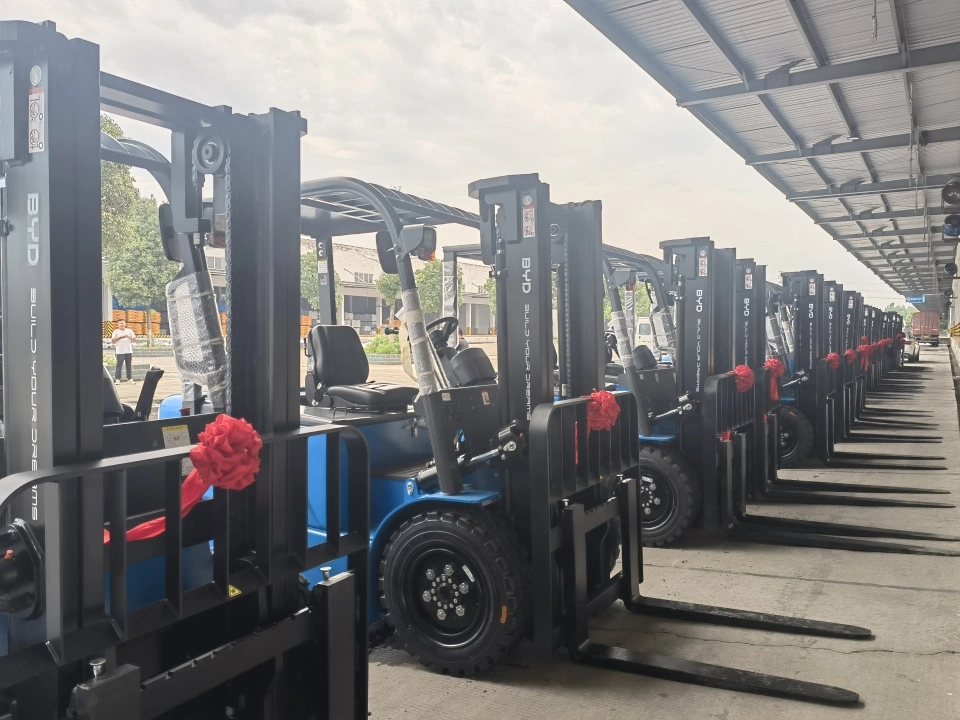
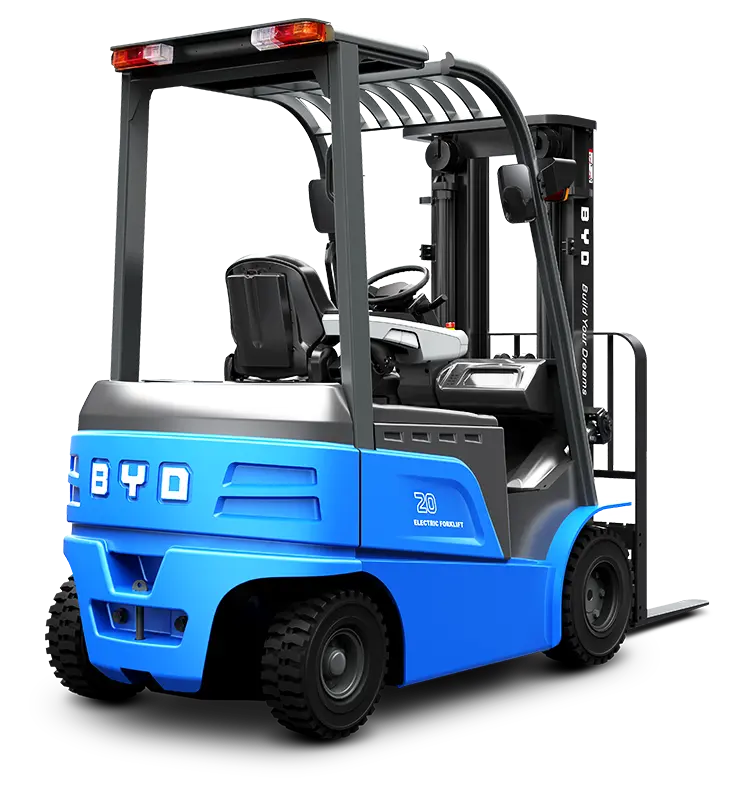
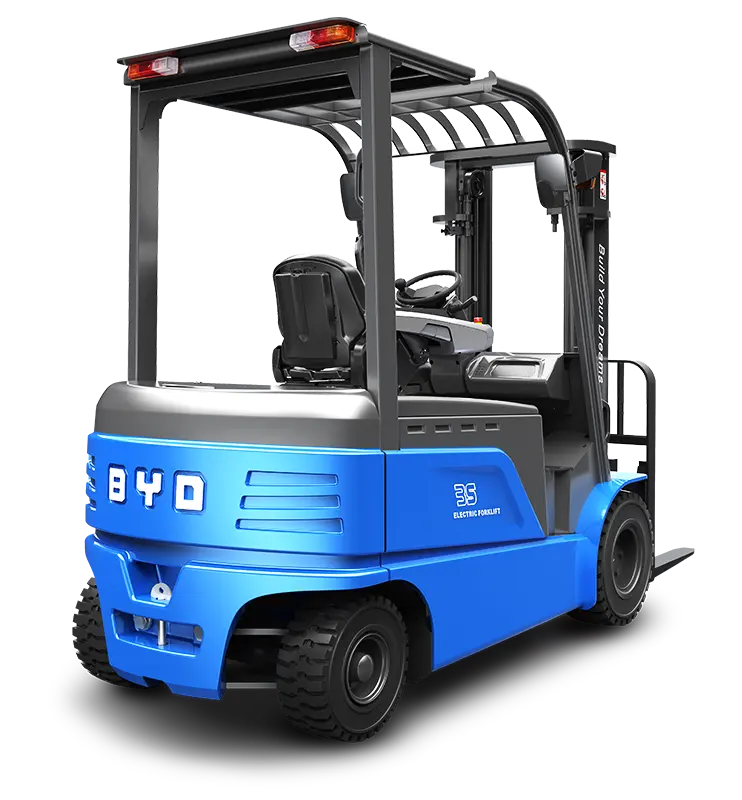
At present, many manufacturing plants and storage parks are promoting the upgrading of handling operations. The problems of high energy consumption, troublesome operation and maintenance, and substandard emissions in traditional handling equipment have gradually become apparent. As a new type of industrial handling equipment, lithium-ion forklifts have attracted the attention of many operators.
The core upgrade requirements for factory handling operations
Job efficiency improvement needs
Many factory handling operations are characterized by high-frequency and continuous operation. Some scenarios require two or even three shifts to operate. Traditional lead-acid forklifts take a long time to change power, and internal combustion forklifts require frequent replenishment, which can easily slow down the pace of operation. Operators generally need handling equipment that supports continuous operation and fast response.
Operating cost control requirements
The cost of fuel and maintenance of traditional handling equipment is increasing year by year, the battery loss of lead-acid forklifts is fast, the replacement cost is high, and the engine maintenance frequency of internal combustion forklifts is high, which increases the overall handling cost. Operators need equipment control expenses with lower operation and maintenance costs and less energy consumption.
Environmental compliance requirements
At present, the environmental protection requirements for factory operations are constantly improving, and the exhaust emissions of internal combustion forklifts are easy to not meet the park standards. Many parks have restricted the entry of high-emission handling equipment. Operators need low-emission or even zero-emission equipment to meet compliance requirements.
Analysis of Adaptation Advantages of Lithium Battery Forklift
High frequency job scene adaptation
Lithium forklifts can be charged at any time, with fast charging speed and no need to change power for a long time. As long as the charging points are reasonably arranged in the factory area, it can be used to replenish energy during the work gap, which is well adapted to the needs of continuous operation in multiple shifts, and will not interrupt the work rhythm due to replenishment.
cost control adaptation
The energy conversion efficiency of lithium-ion forklifts is significantly higher than that of internal combustion forklifts and lead-acid forklifts, and the cost of electricity is much lower than the cost of fuel. At the same time, the battery has a long service life. Daily operation and maintenance only need to be cleaned and routinely checked, without frequent addition of electrolyte and maintenance of the engine, which can reduce long-term operating costs.
Compliance requirements adaptation
Lithium-ion forklifts operate without exhaust emissions and lower noise, which not only meets environmental protection requirements, but also improves the working environment of the factory, and will not be affected by the emission restrictions in the park.
Precautions for the adaptation of lithium battery forklifts
When the operator chooses a lithium-ion forklift, it should choose the product with the corresponding parameters based on its average daily operating hours, handling cargo weight, and road conditions in the operation area. At the same time, according to the layout of the charging point of the operation line, for special environments such as low temperature and high dust, choose the product with the corresponding protection level to maximize the advantages of the equipment.