简体中文
简体中文 Deutsch
 日本語
日本語 한국어
한국어 Tiếng Việt
 Русский
 ไทย
ไทย Bahasa Indonesia
 Bahasa Melayu
 Filipino
 لالعربية
 Français
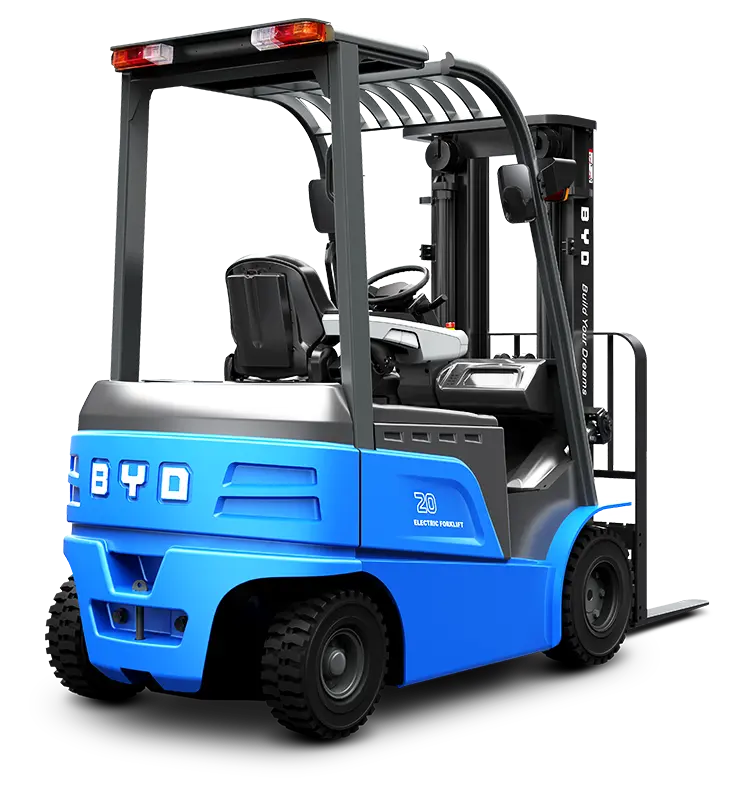
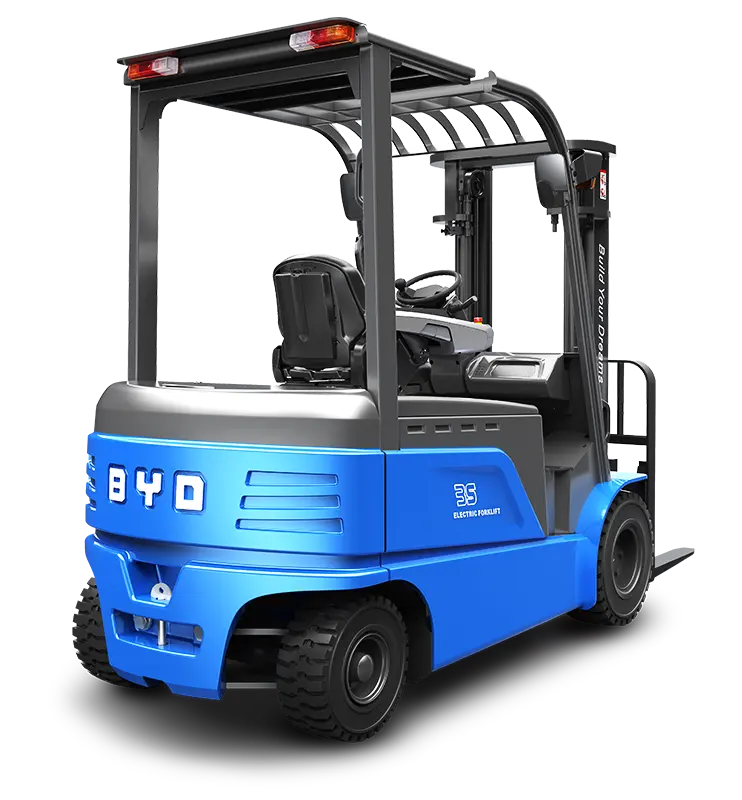
Special requirements for forklifts in the operating environment of cold chain storage
Most cold chain warehouses maintain a low temperature environment of 0 ° C to -25 ° C all year round, and some cryogenic warehouses have even lower temperatures. At the same time, the space is relatively closed, the air humidity is high, and the operation pace is fast, and the peak demand for loading, unloading and transshipment is concentrated. There are high requirements for the low temperature resistance, battery life stability and operation efficiency of on-site handling equipment. Traditional lead-acid forklifts generally have problems of fast battery life attenuation and low charging and discharging efficiency in low temperature environments, and there are also pain points such as leakage corrosion and cumbersome maintenance processes, which make it difficult to adapt to the long-term operation requirements of cold chain warehousing.
The core application advantages of lithium-ion forklifts in cold chain storage scenarios
Low temperature resistance Adapt to low temperature operation requirements
In response to the special environment of cold chain storage, lithium forklifts suitable for cold chain scenarios are generally designed for battery temperature control and protection. The capacity retention rate in low temperature environments is much higher than that of traditional lead-acid batteries, and there is no problem of sudden drop in charging and discharging efficiency at low temperatures. There is also no risk of leakage and corrosion of lead-acid batteries. They can be adapted to the needs of cold chain storage operations at different temperature levels, and the operation stability is stronger.
Flexible charging and discharging mode to match the rhythm of high-intensity work
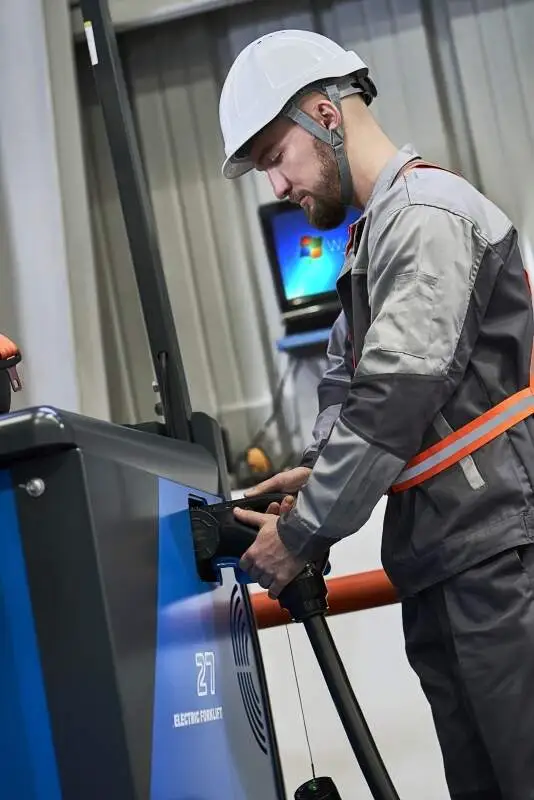
Lithium-ion forklifts can be used at any time, without the need for long-term static charging or spare batteries. Operators can complete the replenishment during the loading and unloading gap and shift breaks, which can meet the needs of all-day operations. This saves the storage space of spare batteries, as well as the human and time costs of replacing batteries, and can adapt to the high-intensity transshipment demand during the peak period of cold chain storage.
Low maintenance properties reduce long-term operating costs
The normal service life of lithium-ion forklifts is generally longer than that of traditional lead-acid forklifts. Routine maintenance operations such as liquid addition and balanced charging are not required during daily use, which can reduce the workload of maintenance personnel and avoid the risk of chemical reagent leakage polluting the storage environment during maintenance. It meets the hygiene management requirements of cold chain storage, and the comprehensive investment in long-term operation is lower.
At present, with the rapid development of the cold chain logistics industry, the scale of cold chain warehousing operations continues to expand, and the adaptability advantages of lithium-ion forklifts have gradually been recognized by the industry. This has become an important choice for many cold chain warehousing operators to update their equipment, effectively improving on-site transfer efficiency and optimizing overall operating costs.