简体中文
简体中文 Deutsch
 日本語
日本語 한국어
한국어 Tiếng Việt
 Русский
 ไทย
ไทย Bahasa Indonesia
 Bahasa Melayu
 Filipino
 لالعربية
 Français
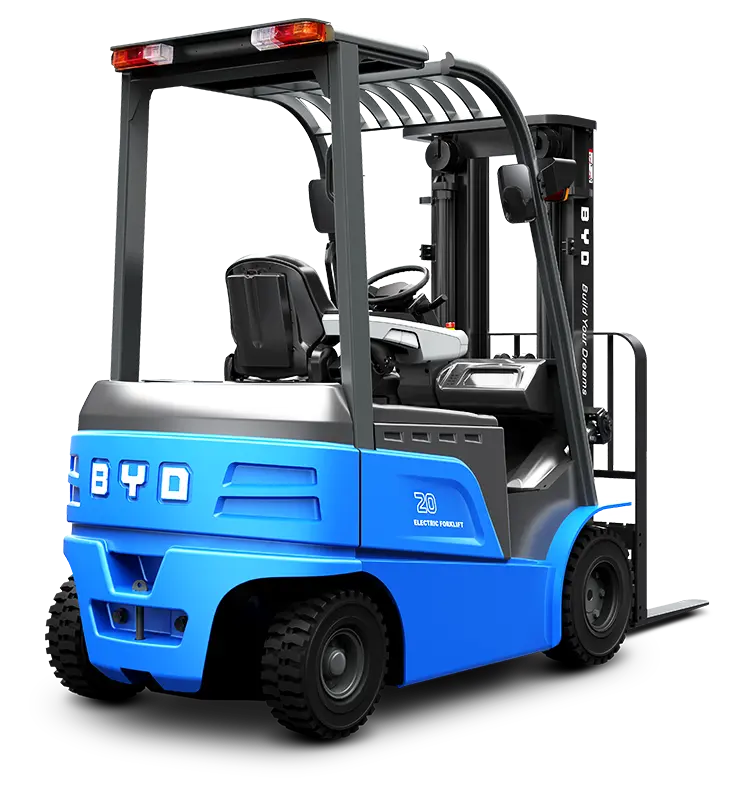
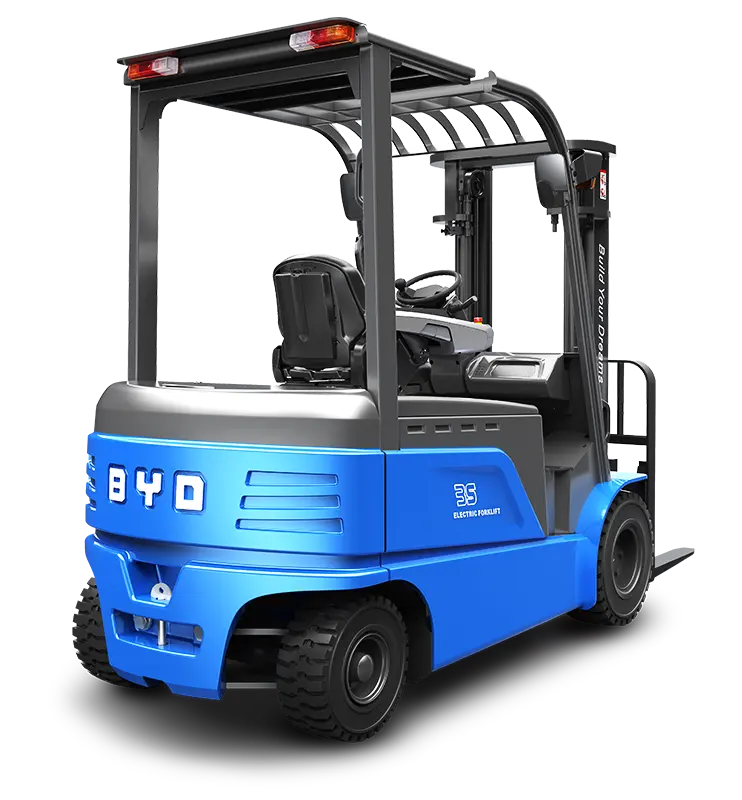
The lithium-ion battery of a lithium-ion forklift truck is the core component that determines the operating efficiency and cost of equipment. Doing a good job in daily maintenance can not only reduce the failure rate, but also effectively extend the cycle life of the battery and reduce the overall operation and maintenance investment.
Before and after each operation, do a good job of basic inspection. First check whether the battery shell is bumped, deformed, leaking and other abnormal conditions, whether the terminals are loose or oxidized. If dust or oil are attached to the surface, wipe it with a dry anti-static rag in time to avoid the risk of short circuit. At the same time, pay attention to the display of the remaining battery power. When the power is lower than 20%, stop the operation and charging in time to avoid excessive discharge and loss of active substances inside the battery and shorten the service life.
Standardized charging operation is the core link of battery maintenance. First of all, pay attention to the choice of charging environment. Charge in a ventilated and dry area away from open flames and flammable and explosive items. Avoid operating in the sun, rain or high temperature and high humidity environment. Keep the ambient temperature between 10 ° C and 30 ° C. If the temperature is too high, it is easy to cause overheating and bulging. If the temperature is too low, it will reduce the charging efficiency and damage the internal structure of the battery in the long run. When charging, use a dedicated charger with matching parameters. Do not mix charging devices of different specifications. When plugging in the cable, connect the battery interface first and then connect the power supply. After it is fully charged, disconnect the power supply and then unplug the battery interface. Do not overcharge for a long time. After the battery is fully charged, the floating charge time should not exceed half an hour. The total charging time of a single charge should be controlled within 12 hours as much as possible.
During the operation, pay attention to load control and do not overload for a long time. Overload will cause the battery to continue to be in a high current discharge state, greatly shorten the cycle life, and slow down when encountering steep slopes and bumpy roads to reduce the instantaneous discharge pressure of the battery. If the forklift needs to be stored for a long time, charge the battery to 60% to 80% in advance, store it in a dry and cool area, and recharge it once a month to avoid irreversible vulcanization problems inside the battery due to power loss storage.
Every three months, the operating parameters of the battery should be comprehensively tested. If abnormal parameters are found, they should be adjusted and maintained in time, and do not operate with faults. Do not disassemble the battery yourself in daily use. If there is a failure, contact professional operation and maintenance personnel to deal with it to avoid potential safety hazards.