简体中文
简体中文 Deutsch
 日本語
日本語 한국어
한국어 Tiếng Việt
 Русский
 ไทย
ไทย Bahasa Indonesia
 Bahasa Melayu
 Filipino
 لالعربية
 Français
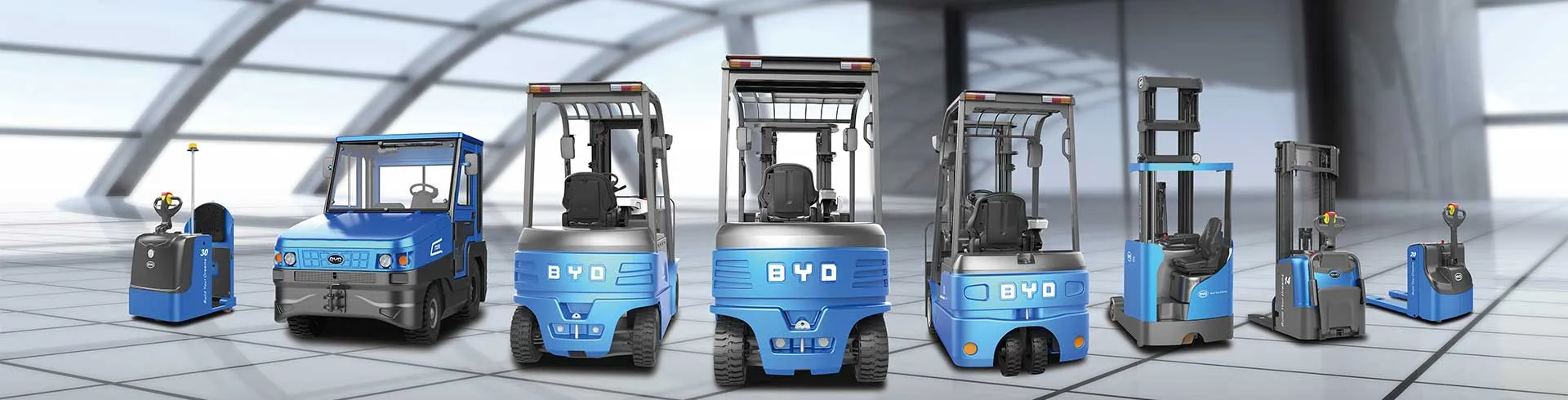
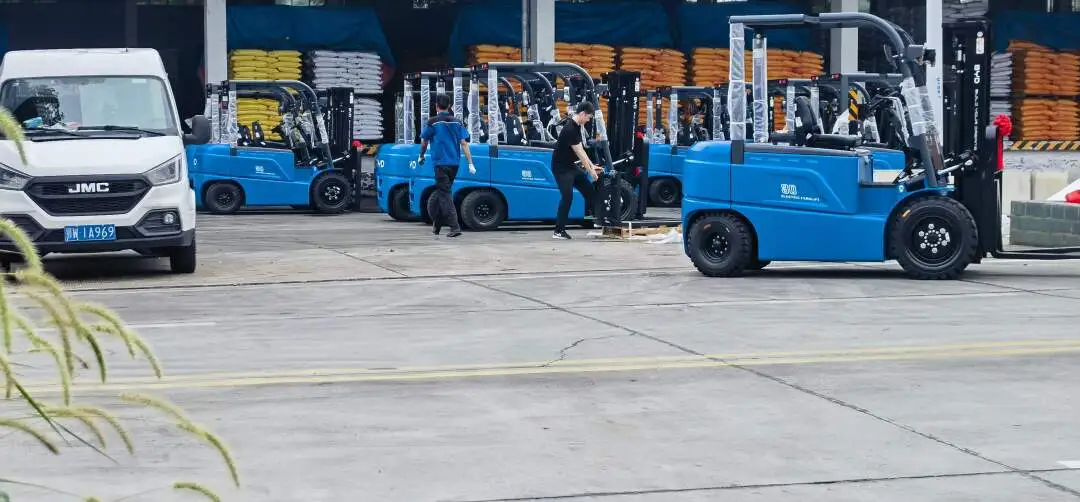
With the rapid development of e-commerce, cold chain, industrial parts storage, and other industries, the popularity of high-level storage models continues to increase. Most high-level storage shelves can reach a height of more than 8 meters, and some special scenarios even exceed 12 meters. Traditional low-level operating equipment has been difficult to adapt to the operating needs of such scenarios. Selecting the right operating equipment has become the core link to improve the efficiency of warehousing operations.
Selection of core requirements for high-level warehousing operations
Job height adaptation requirements
The core cargo space of high-level warehousing is mostly concentrated in the range of 6 meters to 12 meters. During operation, equipment is required to stabilize the lifting of goods in narrow storage channels, while ensuring the accuracy of picking and placing goods to avoid the risk of shaking and falling goods during the lifting process. It is also necessary to avoid equipment from causing collision damage to the shelves.
Operating cost control requirements
Warehousing operations are high-frequency usage scenarios, and the energy consumption level, failure rate, and maintenance cost of the equipment will directly affect the overall operating expenses. When selecting a model, we should not only focus on the cost of a single purchase, but also take into account the cost of the entire life cycle of the equipment in order to achieve long-term cost reduction and efficiency.
Security compliance requirements
The risk factor of high-level operations is much higher than that of ground operations. Falling goods and equipment rollover can cause serious damage to personnel and property. The selected equipment needs to comply with relevant operating safety regulations and be equipped with a complete safety protection mechanism in order to meet the safety requirements of daily operations.
The core practical value of high gantry forklift
Job Scene Adaptability Advantage
The high-mast forklift is designed for high-level storage scenarios, with a lifting height that can cover the operation requirements of 6 to 15 meters. The body has a small turning radius and can operate normally in narrow passages of 2.5 to 3 meters. Compared with conventional stacking equipment, the high-mast forklift has stronger lifting height adaptability and better traffic capacity in narrow passages, which can adapt to the vast majority of high-level storage operation scenarios.
full-cycle operating cost advantage
The current mainstream high-gantry forklifts mostly use electric drive design, which requires lower energy consumption than internal combustion equipment. Daily maintenance only requires routine circuit inspection and component lubrication, and the overall failure rate is low. The comprehensive cost of long-term use is significantly lower than that of other high-level operating equipment with the same operating capacity.
Operational safety assurance advantages
Forklifts with high gantry produced by regular manufacturers are generally equipped with protection mechanisms such as automatic lifting weight limit, gantry shaking buffer, and operation error warning. Some products are also equipped with functions such as automatic identification of cargo positions and early warning of obstacles, which can greatly reduce the safety risks of high-level operations.
When selecting high-level operating equipment, warehousing operators can consider their actual needs such as shelf height, channel width, and daily average operating volume, prioritize the suitability, safety, and long-term operating costs of the equipment, and choose high-frame forklift products that meet their own operating rhythm, which can effectively improve the overall warehouse turnover efficiency and reduce operational risks.