简体中文
简体中文 Deutsch
 日本語
日本語 한국어
한국어 Tiếng Việt
 Русский
 ไทย
ไทย Bahasa Indonesia
 Bahasa Melayu
 Filipino
 لالعربية
 Français
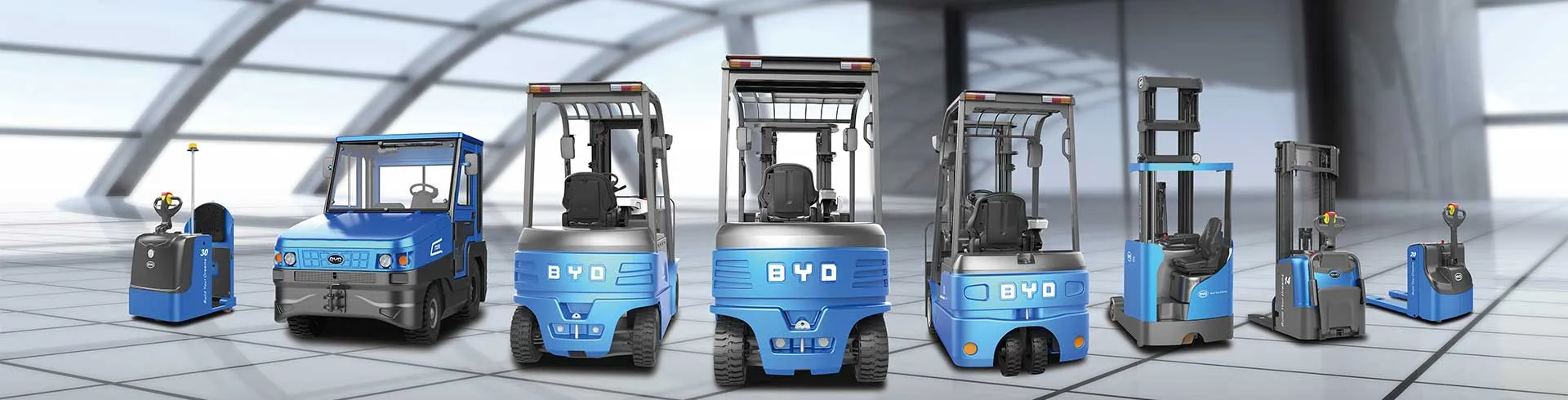
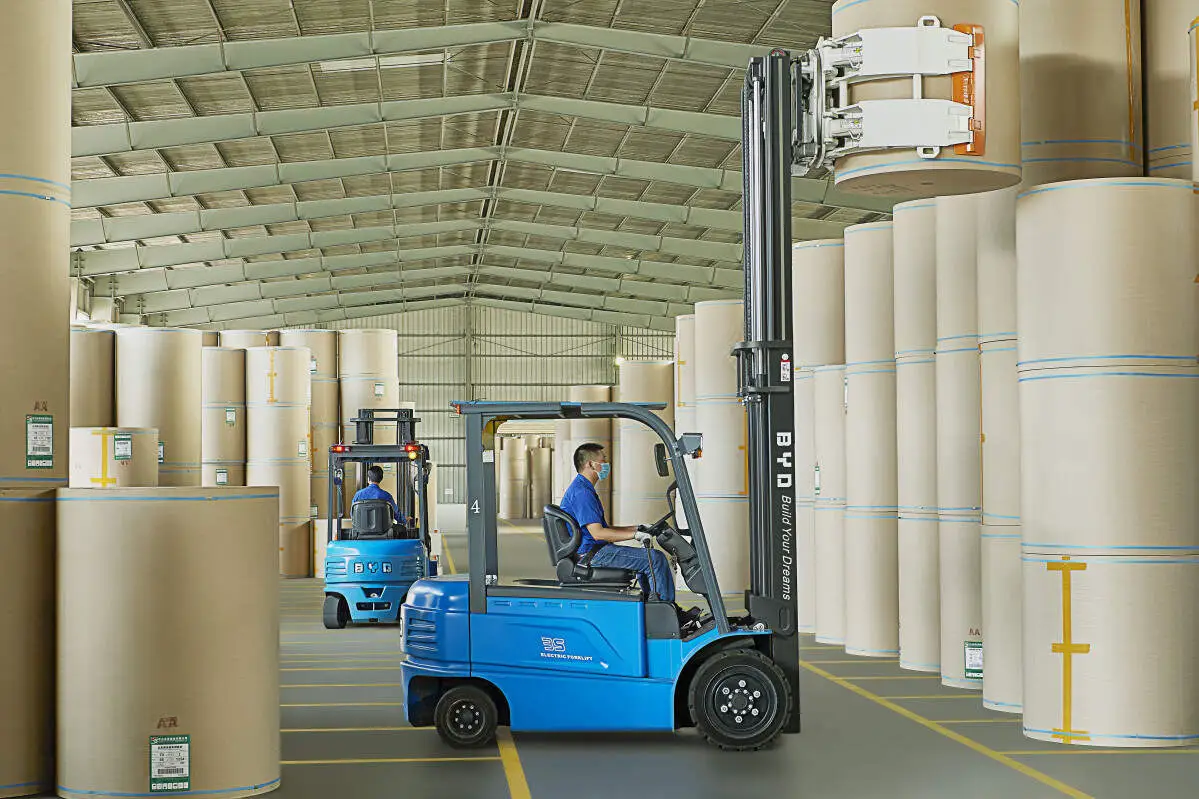
Before purchasing a lithium-ion forklift, it is necessary to first sort out the core requirements of your daily operation to avoid the waste of resources or insufficient performance caused by blind selection.
Tonnage selection should be based on actual load and operating conditions.
First of all, it is necessary to calculate the peak load of daily operations. It is recommended to reserve 10% to 20% performance redundancy on the basis of conventional load to avoid long-term full load operation and shorten the service life of the equipment. If the operation involves high lifting, it is also necessary to pay attention to the rated load corresponding to different lifting heights. It is necessary to choose the appropriate tonnage according to the load requirements of the maximum lifting height. In addition, if the operation channel is narrow, you can choose a small tonnage lithium forklift, which has a smaller turning radius and is suitable for narrow channel operation requirements; for heavy-duty transportation and large-scale transshipment scenarios, large tonnage models can be selected.
Scene adaptation should be appropriate for the actual operating environment.
If it is a closed scene operation such as indoor warehousing and supermarket replenishment, the model with good mute effect and zero emission is preferred to avoid affecting the indoor environment. If it is an outdoor construction site, port transshipment and other open-air scenes, the ground flatness is poor and there is often a need to climb, it is necessary to choose a model with sufficient power reserve and good tire anti-skid performance. Users working in low temperature areas should also confirm whether the product is suitable for the low temperature environment to avoid the decrease in battery activity in winter and the reduction of operation efficiency.
The battery type should match the operating frequency.
If it is a high-frequency operation scenario with two shifts and an average daily operation time of more than 6 hours, it is recommended to choose a lithium iron phosphate battery with a longer cycle life and support for fast charging, which has stronger safety and stability and can meet the needs of long-term continuous operation. If it is a scenario with a shorter average daily operation time and a lower frequency of use, you can choose a more cost-effective conventional lithium battery model. If the operation does not have a fixed charging time, you can also choose a battery that supports a quick-change structure. It only takes a few minutes to replace the battery, and there is no need to wait for a long time to charge, which can further improve the operation efficiency.
When purchasing a lithium-ion forklift, there is no need to blindly pursue high parameters. By considering its own load requirements, operating scenarios, and frequency of use, it is possible to choose a product with a high degree of adaptation, which can meet the needs of the operation while reducing long-term use costs.