简体中文
简体中文 Deutsch
 日本語
日本語 한국어
한국어 Tiếng Việt
 Русский
 ไทย
ไทย Bahasa Indonesia
 Bahasa Melayu
 Filipino
 لالعربية
 Français
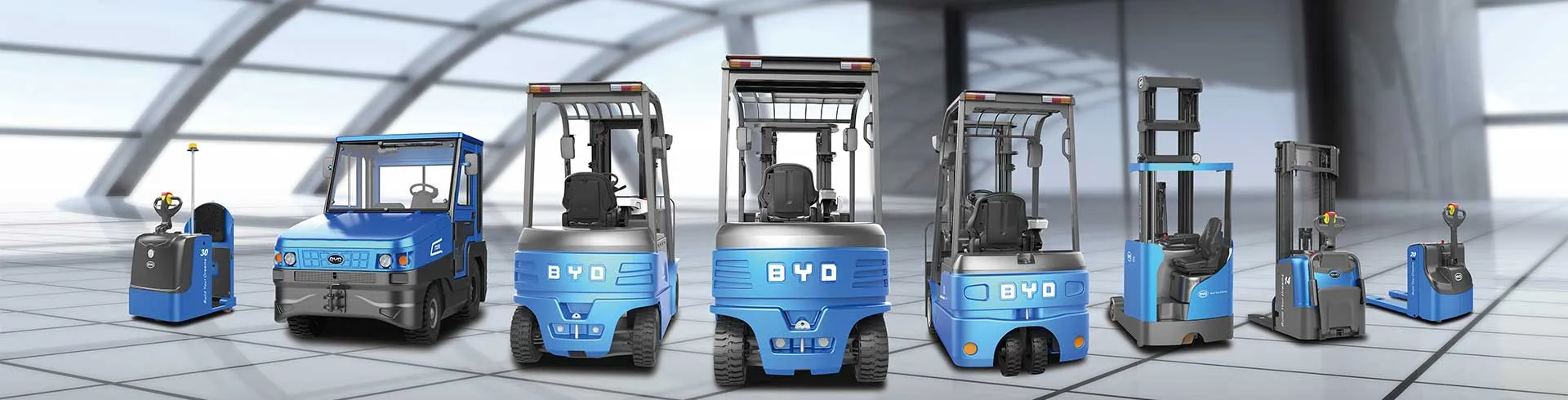
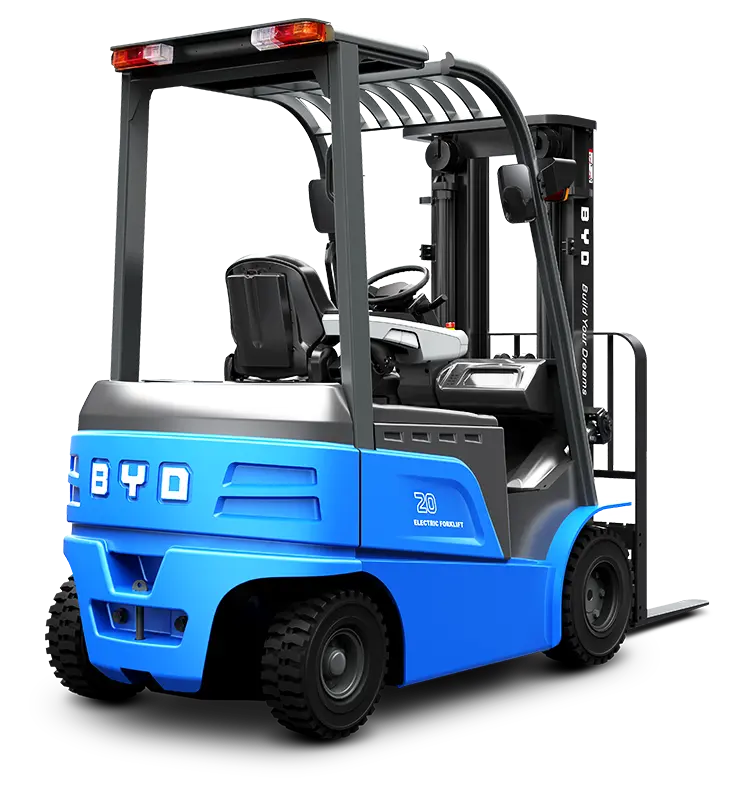
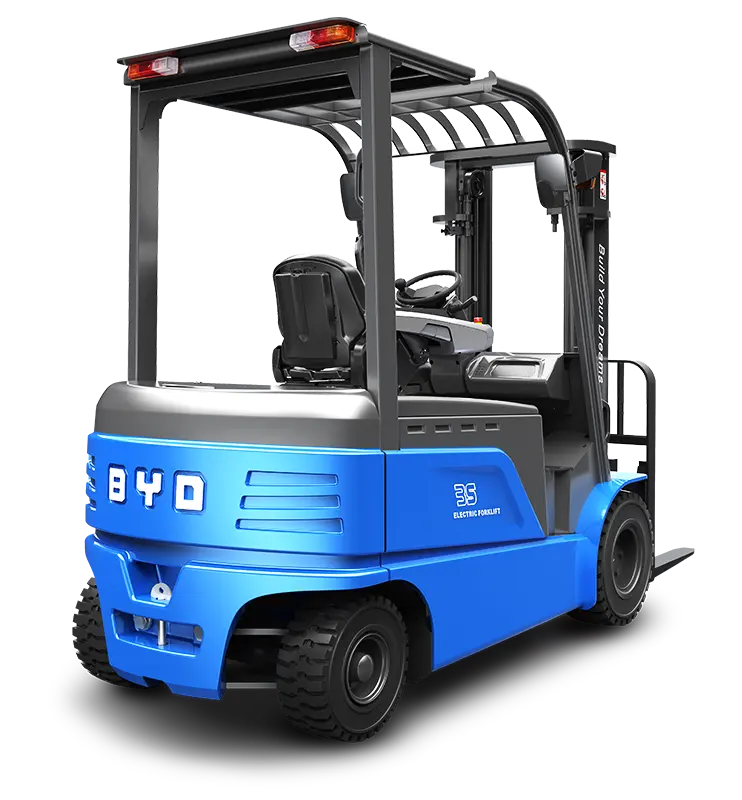
With the rapid development of the logistics and warehousing industry, 3-ton lithium-ion forklifts have become a popular choice for material handling in many small and medium-sized warehousing and manufacturing enterprises due to their advantages such as energy conservation and environmental protection, low cost of use, and stable battery life. Many purchasers are unfamiliar with the parameters of lithium-ion forklifts, and it is easy to fall into the misunderstanding of only looking at the price. Next, we will sort out the core parameters that need to be paid attention to in the procurement process.
Power system core parameters
Lithium battery capacity and cycle life
Lithium batteries are the core components of 3-ton lithium forklifts, which directly affect the battery life and service life of the equipment. When purchasing, don't just look at the nominal capacity, but also focus on the number of cycles of battery charging and discharging. Qualified lithium battery products can generally reach thousands of cycles under standard charging and discharging conditions. At the same time, it is necessary to confirm whether the battery is equipped with overcharge, overdischarge, and overheating protection functions. If it is used in an area with low temperature, it is also necessary to confirm the battery life attenuation ratio in a low temperature environment to avoid insufficient battery life during winter use.
Load rating and load center
The rated load of 3 tons refers to the maximum load-bearing weight under the standard load center. The load center of a conventional 3-ton lithium-ion forklift is 500mm. If the center of gravity of the goods handled daily is too high or offset, it is necessary to confirm the actual load-bearing weight with the supplier in advance to avoid the risk of overload and rollover during operation.
Job performance core parameters
Maximum lifting height and driving speed
The maximum lifting height should be selected in combination with the shelf height of the warehouse, usually 200 to 300mm higher than the pick-up height of the highest shelf, to avoid insufficient lifting height and inability to operate. At the same time, you can pay attention to the lifting speed under full load and the driving speed in the factory area. The parameters should take into account the operation efficiency and the safety of the factory area, and do not blindly pursue excessive driving speed.
Minimum turning radius and channel adaptability
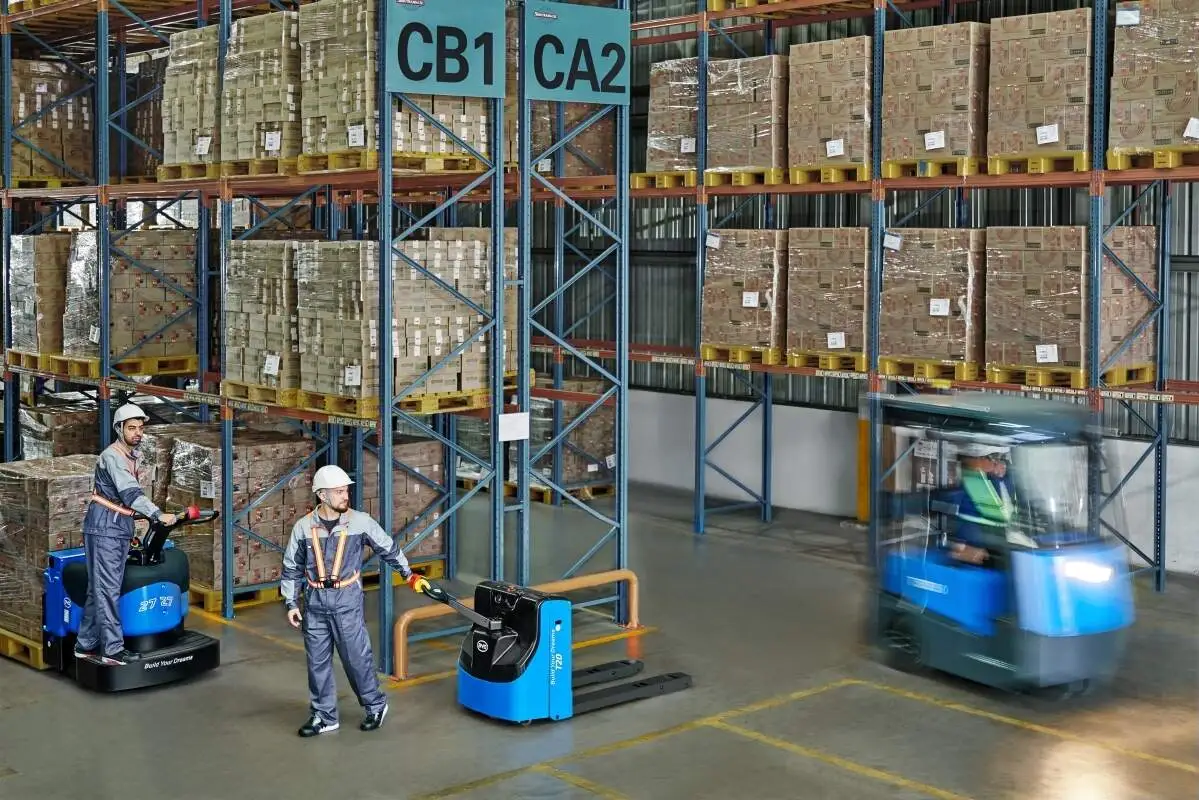
Before purchasing, measure the width of the working channel in the warehouse in advance and compare the minimum turning radius parameters of the forklift. If the channel width is limited, try to choose a model with a smaller turning radius to avoid the problem of not being able to turn around after entering the channel, and improve the utilization rate of warehouse space.
Safety and operation and maintenance related parameters
Safety configuration and protection level
To confirm whether the vehicle is equipped with anti-rollover protection, brake priority, ramp anti-skid and other basic safety configurations, choose the model with the corresponding protection level according to the different operating environment, such as in the operation scene with a lot of dust and occasional splashes, choose products with higher IP protection level to reduce the probability of equipment failure.
Maintenance cost and accessory versatility
Before purchasing, you can understand the price and market availability of the wearing parts of the model in advance, and give priority to products with strong versatility of accessories and comprehensive after-sales network coverage to avoid the problems of difficult parts and high maintenance costs in the later use process.
Overall, the purchase of a 3-ton lithium-ion forklift should not only compare prices, but also be screened one by one according to its own operating scenarios and frequency of use, in order to select equipment with strong adaptability and lower comprehensive use cost.