简体中文
简体中文 Deutsch
 日本語
日本語 한국어
한국어 Tiếng Việt
 Русский
 ไทย
ไทย Bahasa Indonesia
 Bahasa Melayu
 Filipino
 لالعربية
 Français
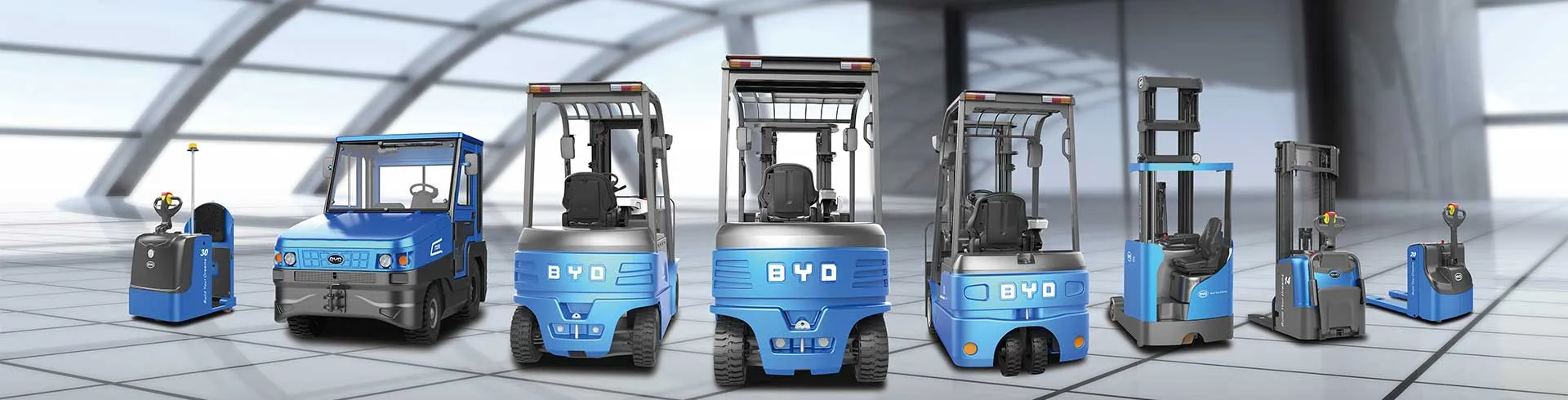
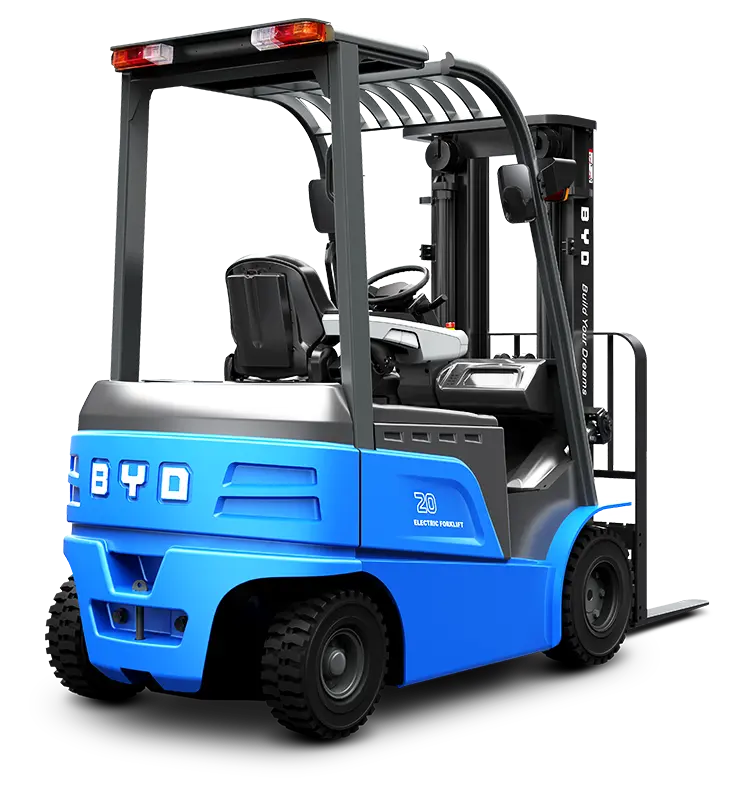
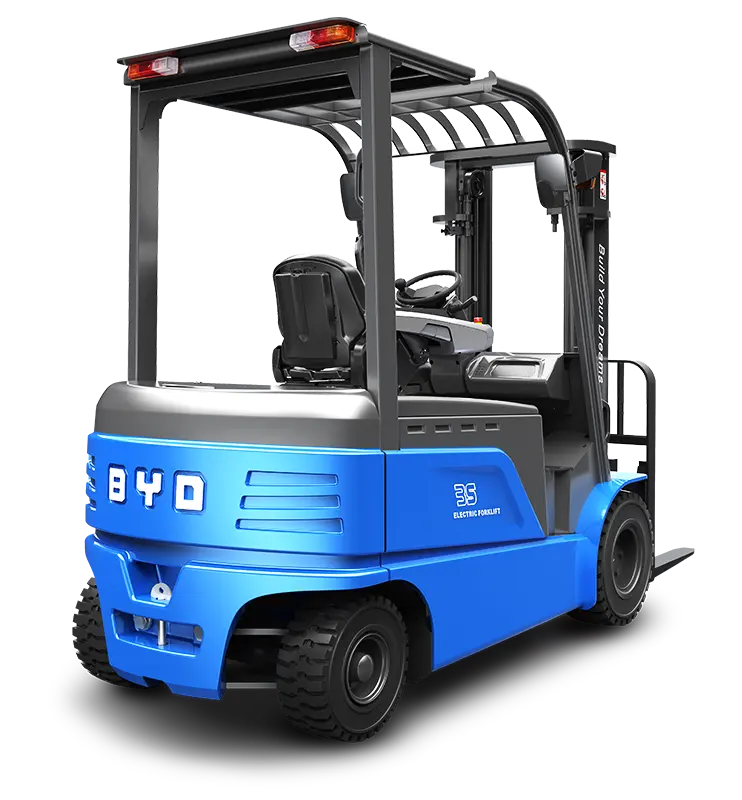
Small lithium battery trucks have been widely used in multiple operating scenarios due to their flexibility, lightweight, zero emissions, and ready-to-use charging. Many users do not know which dimensions to judge the adaptability when purchasing, so they may wish to first understand the corresponding adaptation scenarios and core selection points.
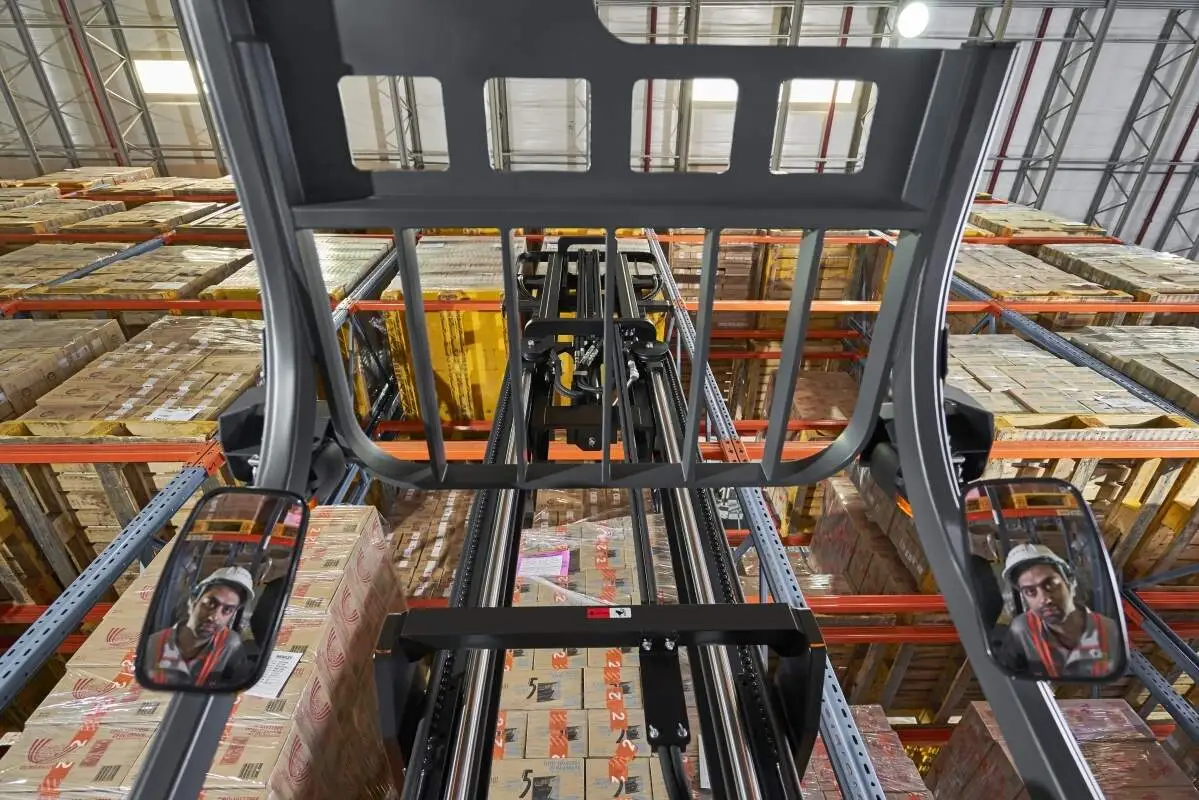
First, introduce the common adaptation scenarios. The first category is indoor storage operation scenarios, including e-commerce warehouses, ordinary civilian warehouses for goods picking, up and down the shelves for transshipment. Most of these scenarios are confined spaces. The characteristics of lithium-ion trucks without exhaust emissions are more suitable for operation requirements, and the flat ground can also give full play to the operation efficiency of the vehicle. The second category is narrow passage operation scenarios, including office building material transshipment, street shop cargo loading and unloading, old warehouse cargo lane transshipment, etc. This kind of scene has limited traffic space, and the small body can be flexible shuttle, which is not easy to bump into surrounding goods or walls. The third category is light-load short-distance high-frequency transfer scenarios, including material transfer between production workshop processes, express sorting and transshipment at express outlets. This type of scenario has a low single handling weight, high operation frequency, and the advantage of lithium battery energy replenishment can effectively reduce idle waiting time.
Next is the core selection points. First of all, it is necessary to match the actual load demand, and reserve about 10% of the balance according to the maximum weight of the daily handling goods to choose the model corresponding to the rated load. There is no need to overload the operation for a long time, and there is no need to choose a large-load model that far exceeds the demand to cause unnecessary cost waste. Secondly, it is necessary to adapt the battery life requirements of the operation. Select the battery with the corresponding capacity according to the single-day operation time and the average distance of single handling. If the single-day operation time is longer, you can give priority to the style that supports quick battery change to avoid the charging time delaying the operation progress. Then we should consider the body parameters corresponding to the site. If the width of the working channel is less than 1.8 meters, we should give priority to models with narrower body width. If there is a need for ramp operation, we should confirm in advance that the maximum climbing capacity of the vehicle meets the site requirements. If there is a need for stacked goods, we should check that the lift height of the fork is adapted to the actual use needs. Finally, we should pay attention to supporting services and choose formal procurement channels that can provide timely after-sales maintenance and battery quality assurance services to avoid subsequent use failures that cannot be solved in time.