简体中文
简体中文 Deutsch
 日本語
日本語 한국어
한국어 Tiếng Việt
 Русский
 ไทย
ไทย Bahasa Indonesia
 Bahasa Melayu
 Filipino
 لالعربية
 Français
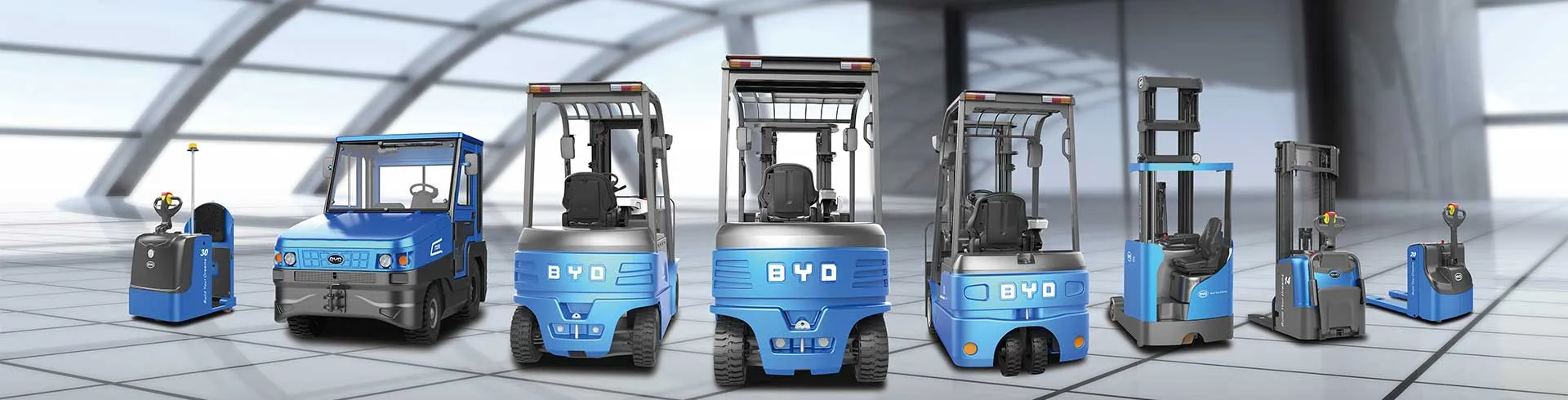
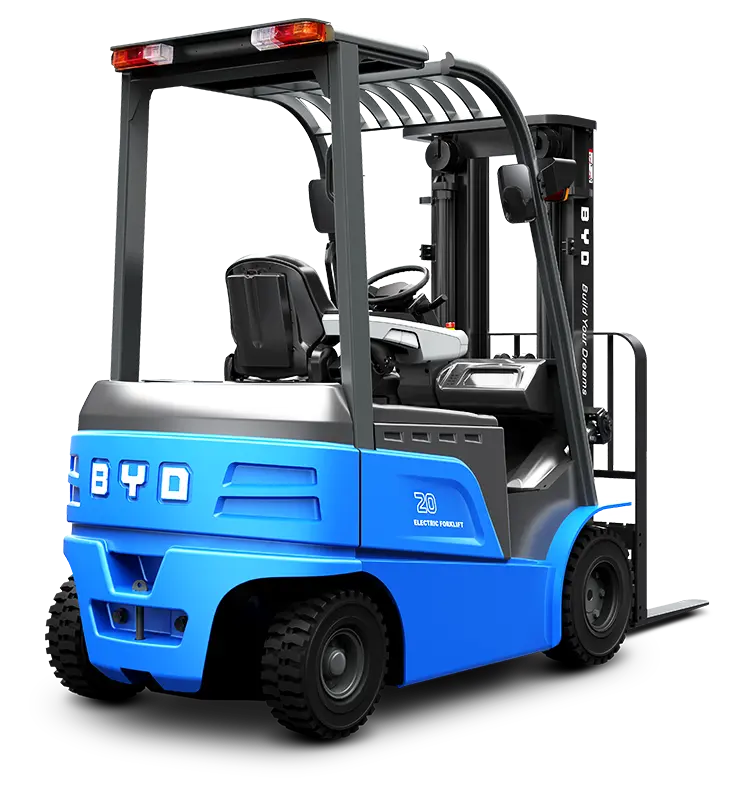
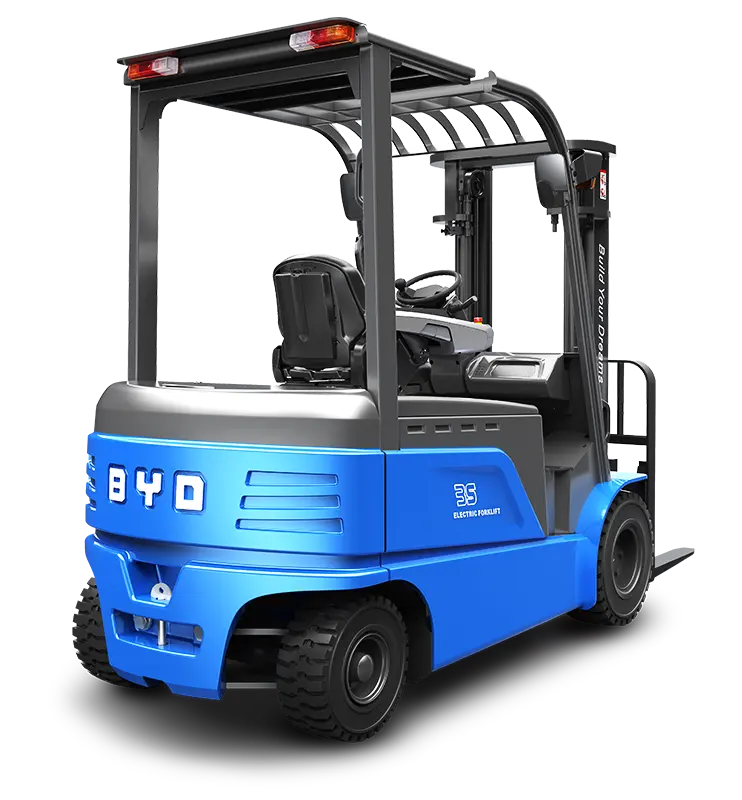
With the increasing demand for space utilization in the warehousing industry, the application of narrow-channel warehousing mode is becoming more and more extensive. Lithium battery forklifts suitable for such scenarios have also become the first choice for many operators. Reasonable selection and standardized use can effectively improve operational efficiency and reduce comprehensive costs.
The first is the selection of lithium battery forklifts. The first is the adaptation of channel parameters. The width of the narrow channel is usually between 1.8 meters and 3 meters. Before selection, accurately measure the actual width of the warehouse channel, the size of the turning and the height of the goods stacked. Preference is given to models with small steering radius and compact door frame structure to ensure that the vehicle can pass normally and smoothly turn in the channel to avoid scratching the shelves or blocking the passage. The second is to match the load with the lifting demand. It is necessary to select the model with the corresponding parameters in combination with the average weight, maximum weight and commonly used lifting height of the goods handled daily. Do not blindly pursue excessive load, avoid causing performance redundancy and increasing procurement costs, and do not choose models with insufficient load to prevent long-term overload operations from shortening the service life of the vehicle. The third is the adaptation of lithium battery performance, selecting the corresponding capacity of the battery according to the single-day operation time. If the warehouse uses a multi-shift manufacturing industry, you can give priority to models that support quick power change. At the same time, it should be combined with the working environment of the warehouse. If it is low-temperature storage or humid environment, choose the corresponding protection level of lithium battery products to ensure that the battery can operate stably in special environments.
The second is the use and daily maintenance suggestions. The first is to check before the operation. Before starting the vehicle each time, confirm whether the remaining battery power meets the operation needs. Check whether the door frame, tires and braking system are normal. Clean up the scattered obstacles in the channel in advance to avoid cards during the operation. The second is the operation specification. When driving in a narrow channel, pay attention to control the speed of the vehicle. The maximum speed should not exceed 3 kilometers per hour. Try to avoid sharp turns or sudden brakes. When lifting the goods, ensure that the goods are placed smoothly. There is no partial load or beyond the range of the fork arm. Do not stand around during the lifting process. The third is daily maintenance. Lithium batteries should be avoided from being overcharged and overdischarged. Do not charge in extreme temperature environments. Regularly clean the dust and stains at the battery electrodes. Check the steering system, braking system, and gantry pulley of the vehicle every half month to detect wear and tear and replace them promptly to avoid potential safety hazards.