
 简体中文
简体中文 Deutsch
 日本語
日本語 한국어
한국어 Tiếng Việt
 Русский
 ไทย
ไทย Bahasa Indonesia
 Bahasa Melayu
 Filipino
 لالعربية
 Français

With the pursuit of green and efficient in the logistics industry, the application of electric forklifts has become increasingly widespread. Among them, lithium-ion forklifts have become the choice of many enterprises due to their advantages of environmental protection, low noise, and easy maintenance. However, the safety of lithium-ion forklifts, especially the risk of spontaneous combustion, has always been the focus of users' attention. As practitioners in the field of electric forklifts, it is necessary for us to objectively analyze the safety performance and spontaneous combustion risk of lithium-ion forklifts from the perspective of technical principles and practical applications.
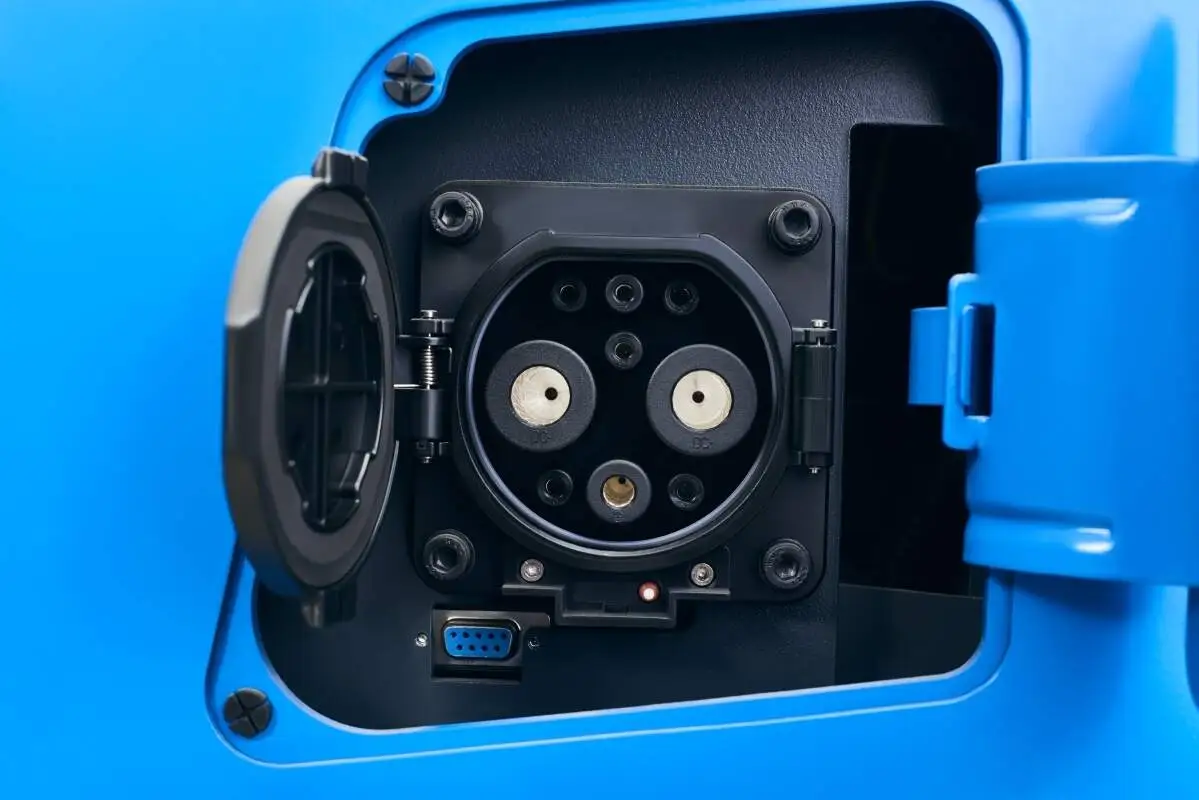
The safety design foundation of lithium-ion forklifts is the core to ensure their safety. The battery system is used as a power source, and modern lithium-ion forklifts are generally equipped with a battery management system (BMS), which can monitor the voltage, current, temperature and other parameters of the battery in real time. When overcharge, overdischarge or temperature abnormalities are detected, the charge and discharge circuit will be automatically cut off to prevent damage to the battery due to extreme working conditions. At the same time, the battery shell is mostly made of flame retardant materials, and the internal battery cells are equipped with heat insulation and insulation structures to reduce the risk of short circuit. In addition, the battery pack will undergo strict consistency screening before leaving the factory to ensure that the battery cell performance is similar and avoid local overheating due to individual differences.
The electrical and control systems of the whole vehicle also pay attention to safety design. The key lines are made of insulating materials that are resistant to high temperature and aging, and the joints are treated with anti-oxidation treatment to avoid short circuits caused by aging lines and poor contact. The control system integrates functions such as overload protection and leakage detection to ensure the stable operation of the electrical system and reduce safety hazards caused by circuit problems from the source.
The actual causes and probabilities of spontaneous combustion risk need to be viewed objectively from both the use scenario and maintenance management. In the use scenario, high temperature environments (such as closed warehouses in summer, areas with direct sunlight) will lead to limited battery heat dissipation conditions. If the cooling system fails or the battery cell is aged, thermal runaway may be triggered. In humid environments, if the battery interface is not properly protected, water vapor intrusion may cause short circuits. In addition, frequent overload operation or long-term continuous operation will increase the battery load, accelerate performance degradation, and indirectly increase the risk.
Maintenance and management are equally critical to battery safety. Qualified battery products undergo strict consistency tests during production to ensure stable cell performance; while inferior or refurbished batteries may be more prone to thermal runaway during use due to material process defects. Inadequate daily maintenance, such as failure to check the battery status before charging, failure to perform balanced charging according to specifications, and long-term storage without regular maintenance, can lead to battery performance deterioration and increase the probability of spontaneous combustion.
Suggestions for the use and management of reducing the risk of spontaneous combustion need to start from both operating specifications and maintenance strategies. Operators should strictly follow the instructions to avoid overloading and overspeed operation. Turn off the power supply in time after operation to prevent the battery from being in a floating state for a long time. Daily inspections need to pay attention to whether there are bulges and liquid leaks on the appearance of the battery, whether the connecting wiring harness is loose or corroded, whether the charging equipment is normal, and whether there is abnormal heat or odor in operation. If any problems are found, shut down in time.
Regular maintenance is the core of ensuring battery performance. It is recommended to conduct a comprehensive inspection of the battery every six months to one year, including the balance inspection of the single voltage, internal resistance and capacity, and replace the battery cells with reduced performance in time. Charging requires the use of a matching special charger to avoid mixing chargers of different specifications. Keep the charging area well ventilated and away from open flames and flammable materials. At the same time, establishing a battery ledger to record the use time, charging times and maintenance will help to detect potential problems in advance and formulate a targeted maintenance plan.
Overall, the spontaneous combustion risk of lithium-ion forklifts is not uncontrollable. Its essence is the result of the joint action of multiple links such as design, use, and maintenance. Under standardized production standards and strict management systems, the spontaneous combustion probability of lithium-ion forklifts is much lower than that of traditional fuel-fired forklifts, and through reasonable safety design and operation specifications, the risk can be further reduced. When users choose and use lithium-ion forklifts, they should give priority to regular brands and compliant products, and pay attention to daily maintenance and operation training, in order to improve logistics efficiency while ensuring operation safety.


