简体中文
简体中文 Deutsch
 日本語
日本語 한국어
한국어 Tiếng Việt
 Русский
 ไทย
ไทย Bahasa Indonesia
 Bahasa Melayu
 Filipino
 لالعربية
 Français
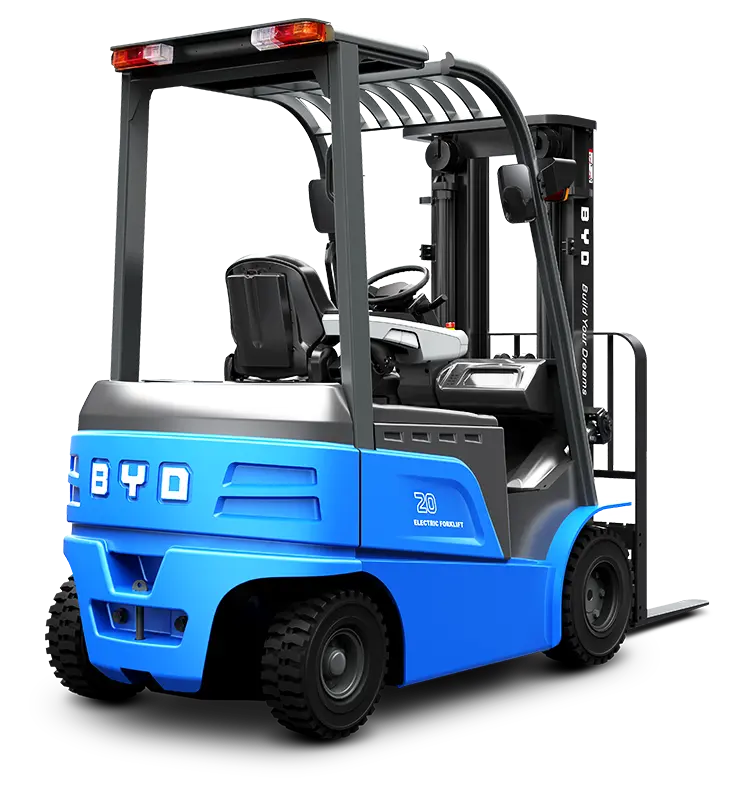
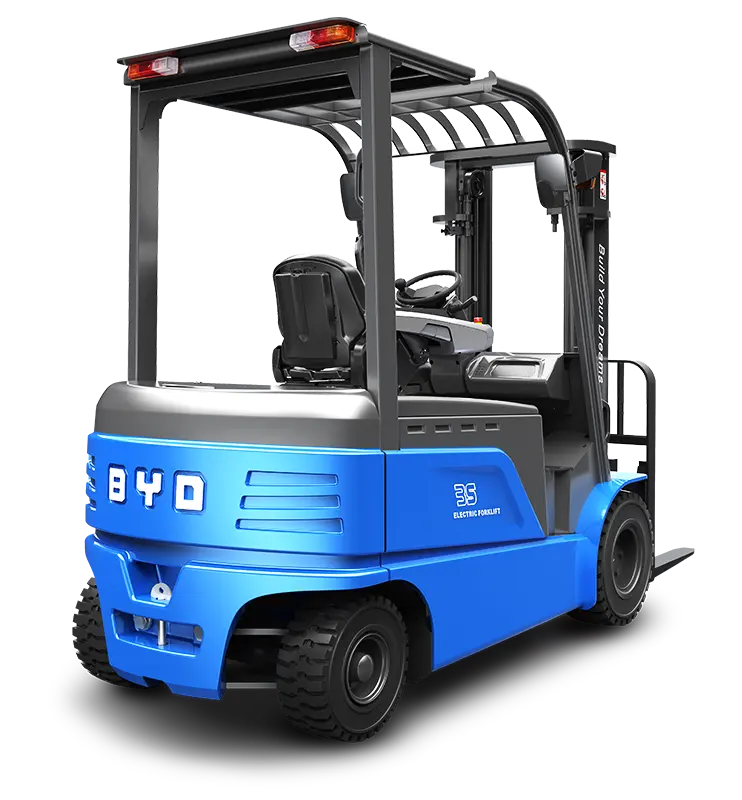
The reasonable weight range of a 3-ton forklift truck
When many users buy a 3-ton forklift, they will first pay attention to the self-weight parameters. The self-weight is directly related to the stability of the forklift operation, the energy consumption level and the pressure on the working ground, which is a very important reference indicator. According to the common safety design standards in the industry, the self-weight of a conventional 3-ton counterweight forklift is maintained between 4.3 tons and 4.8 tons, which is a reasonable range. The self-weight in this range can not only ensure the stability of the forklift at full load and high lifting operations, avoid safety risks such as rollover, but also will not cause unnecessary increase in energy consumption due to high self-weight. At the same time, it is suitable for the ground load-bearing requirements of most industrial sites.
Reasons for the difference in dead weight of 3-ton forklifts of different models
Differences in self-weight due to power type
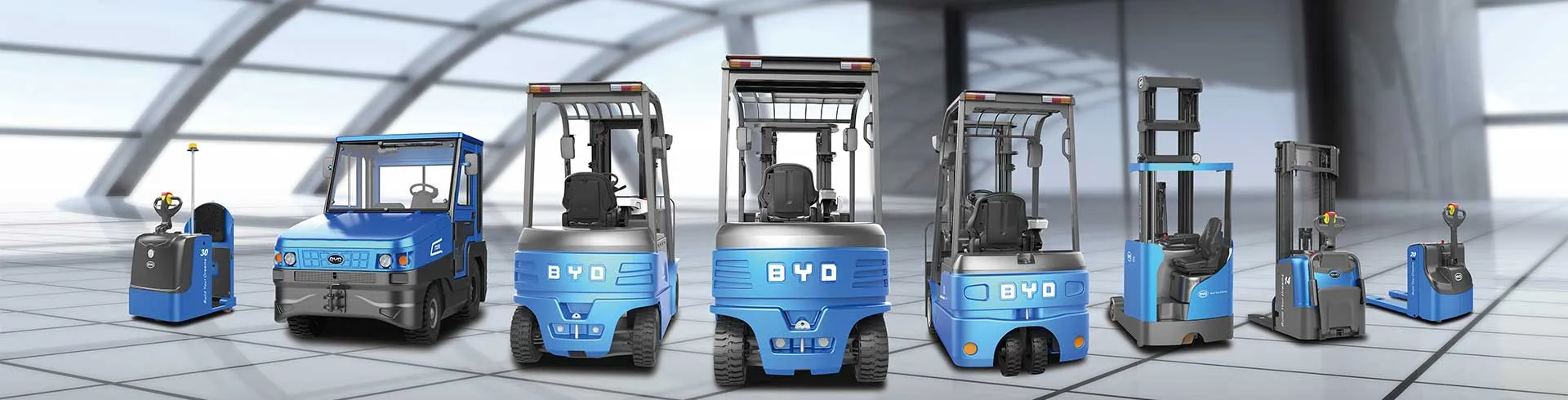
The current 3-ton forklifts on the market are mainly divided into internal combustion and electric two categories. The core structure of the two types of models is different, and the weight difference is more obvious. Internal combustion forklifts are equipped with fuel engines, fuel tanks and other components, and the weight is usually 0.2 tons to 0.5 tons lighter than that of electric forklifts under the same configuration. The power source of electric forklifts is batteries, and lead-acid batteries themselves weigh more, so the weight of lead-acid battery 3-ton electric forklifts is generally about 0.3 tons higher than that of lithium batteries of the same specification.
Differences in self-weight caused by functional configuration
There is also a clear difference in the weight of the basic 3-ton forklift and the model with special attachments. For 3-ton forklifts with attachments such as side shifters, holding clips, and push-pullers, the weight of the attachments themselves ranges from 100 kg to 300 kg, which will directly increase the overall weight. For some high-end models reinforced with heavy loads, the protective structure and load-bearing parts have been thickened, and the weight will also be 0.1 ton to 0.2 tons higher than the basic model.
The difference in self-weight brought about by scene adaptation
The weight of a 3-ton forklift designed for special scenarios will also be different from that of ordinary models. For example, a special forklift for cold storage needs to be equipped with a thermal insulation layer, and an explosion-proof isolation structure needs to be installed for explosion-proof forklifts. The weight of such special models will be 0.3 tons to 0.6 tons heavier than that of a 3-ton forklift used in ordinary scenarios. This type of weight adjustment is to meet the safety requirements of special scenarios and belongs to a reasonable range.
Reference points for the selection of a 3-ton forklift truck
When purchasing a 3-ton forklift, it is not necessary to deliberately pursue too high or too low self-weight. First, it should be combined with the ground load-bearing requirements of the operation scene. If it is operating in epoxy floors or high-rise building warehouses, it is necessary to confirm the upper limit of the ground load-bearing in advance and choose the appropriate self-weight model. If daily operations often require full load lifting to more than 3 meters, it is recommended to give priority to models with self-weight at the upper limit of a reasonable range to ensure operation stability. Regular and qualified 3-ton forklifts will meet relevant safety standards. When purchasing, you can check the corresponding product's inspection certificate to confirm parameter compliance.