简体中文
简体中文 Deutsch
 日本語
日本語 한국어
한국어 Tiếng Việt
 Русский
 ไทย
ไทย Bahasa Indonesia
 Bahasa Melayu
 Filipino
 لالعربية
 Français

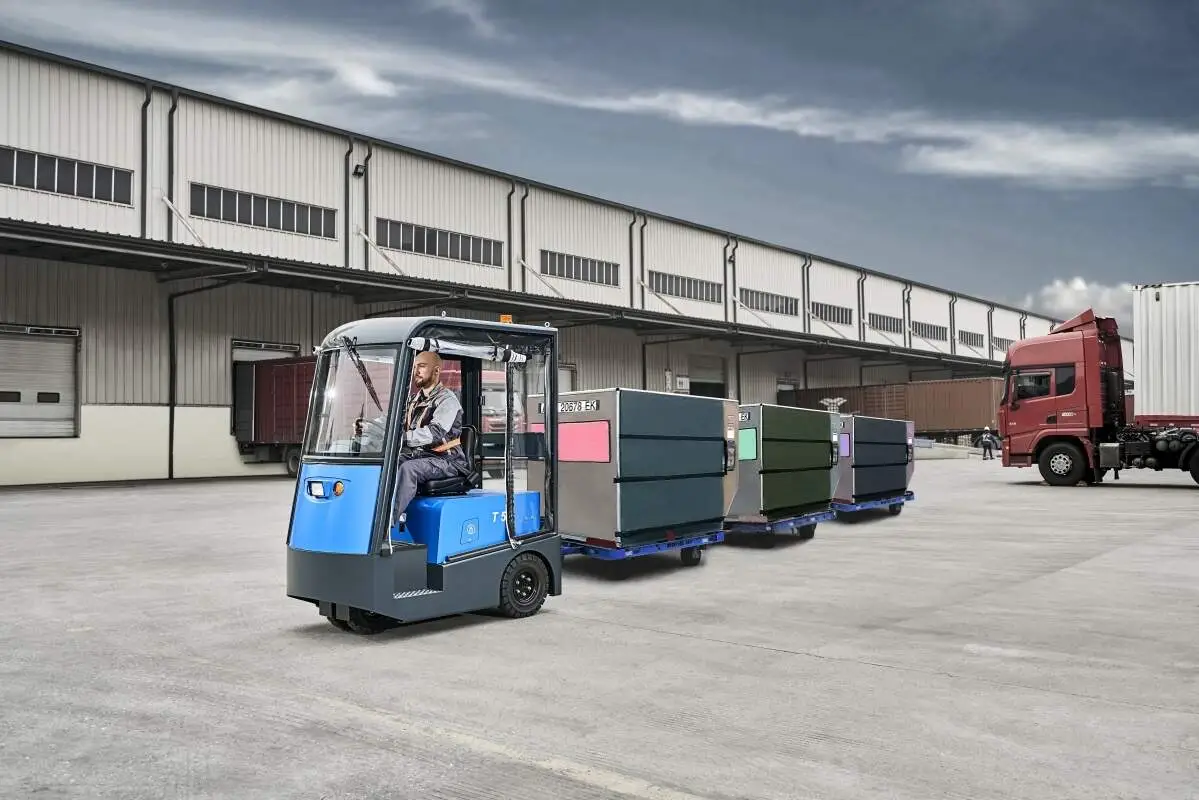
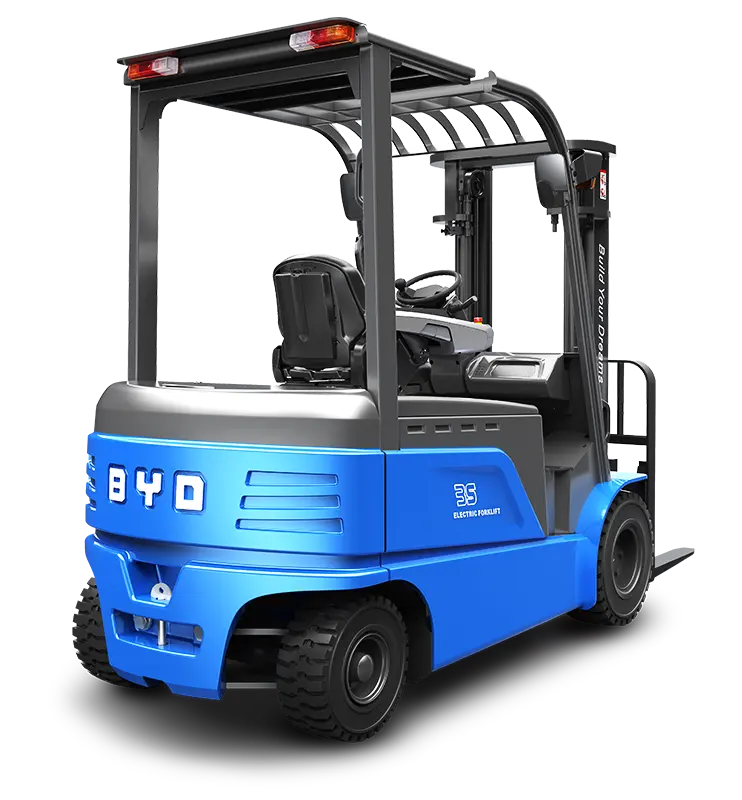
In the factory's internal logistics transfer scenario, the 3-ton electric forklift is one of the most widely used models. Many companies often focus only on the initial purchase price when making procurement plans, ignoring the full-cycle cost of long-term use, which can easily lead to subsequent operating expenses exceeding expectations.
The core components of the long-term use cost of a 3-ton electric forklift
Initial Input Cost
In addition to the purchase cost of the vehicle itself, the initial investment also includes hidden costs such as special vehicle licensing, operator Security Training, and supporting charging facilities. The purchase price difference of 3-ton electric forklifts with different configurations mainly comes from battery type, load redundancy design, additional functions, etc. Enterprises can choose the adaptation configuration according to their own operation frequency and actual needs of transshipment cargo weight to avoid unnecessary functional premiums.
Energy consumption cost
The energy consumption cost of a 3-ton electric forklift is much lower than that of a fuel forklift of the same tonnage. According to the calculation of the operation intensity of the conventional factory area, the hourly energy consumption is only one-third to one-half of the fuel consumption cost of the fuel forklift. If it is a high-frequency use scenario with an annual operation time of more than 2,000 hours, the annual energy consumption savings of a single vehicle can be considerable.
Operation and maintenance and wear and tear costs
Electric forklifts do not have the engine, gearbox and other complex transmission structures of fuel trucks. Regular maintenance only requires regular inspection of the circuit system, hydraulic piping, and tire wear, and the daily maintenance cost is low. The cost accounts for a relatively high proportion of battery replacement expenses. The service life of different types of batteries varies from 3 to 8 years, and the annual battery depreciation cost is also within a controllable range.
Reference Suggestions for Input of 3-ton Electric Forklift
Measuring long-term costs based on work intensity
If it is a low-frequency usage scenario with an annual operating time of less than 1,000 hours, the proportion of the initial cost is relatively higher, and the basic configuration model can be preferred; if it is a high-frequency operation scenario, the battery configuration with a longer lifespan can be preferred, and the subsequent replacement cost can be evenly shared. In the long run, the total expenditure is lower.
Key points of cost control for daily operations
Standardize the operating habits of operators, avoid vehicle bumps and component losses caused by brutal operations, and perform battery charging and discharging maintenance and regular vehicle maintenance in strict accordance with the instructions, which can effectively extend the service life of vehicles and reduce unnecessary maintenance expenses.
When an enterprise plans to invest in a forklift in a factory, it is recommended to use the full life cycle cost of 3 to 5 years as the basis for calculation. Instead of using the initial purchase price as the only criterion for selection, it is recommended to choose the appropriate 3-ton electric forklift configuration based on its own operational needs, which can effectively control the overall operating cost while meeting the operational needs.