简体中文
简体中文 Deutsch
 日本語
日本語 한국어
한국어 Tiếng Việt
 Русский
 ไทย
ไทย Bahasa Indonesia
 Bahasa Melayu
 Filipino
 لالعربية
 Français

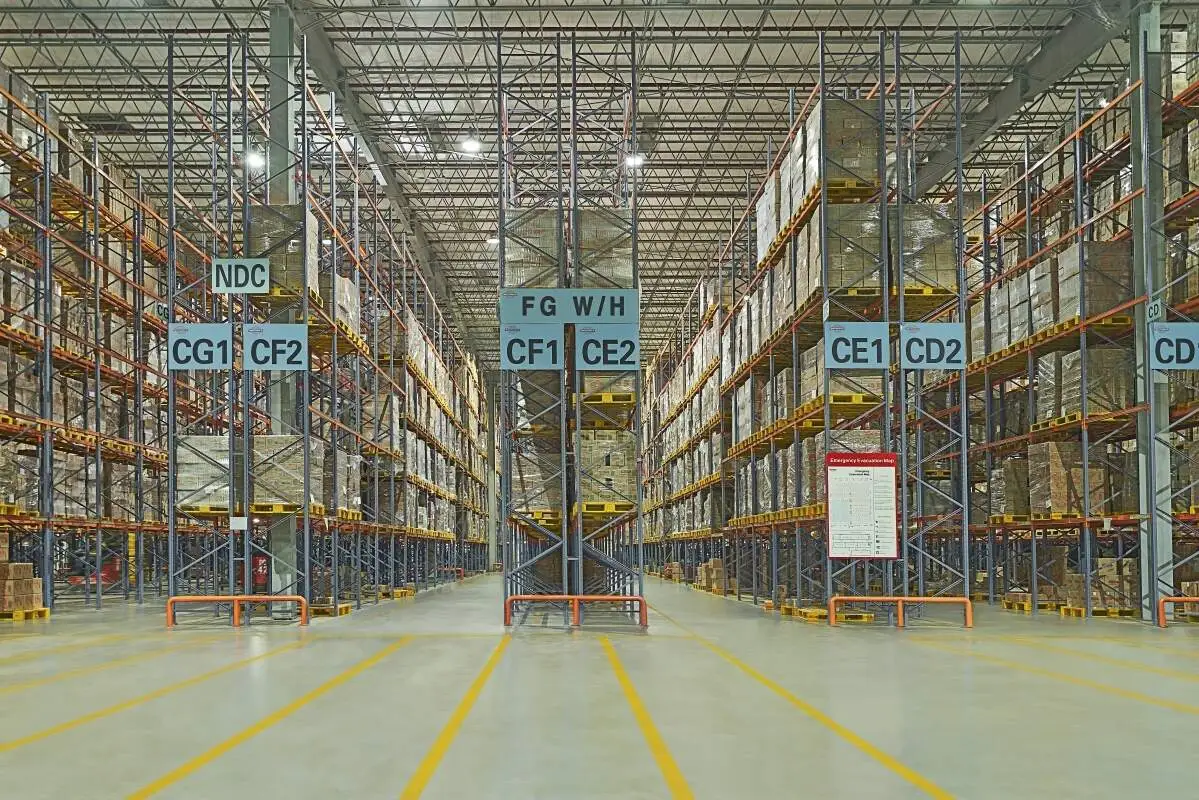
With the popularity of lithium-ion technology in the field of electric forklifts, high-voltage lithium-ion forklifts and ordinary lithium-ion forklifts have become the mainstream options for many users when purchasing. Many users are unsure of the core differences between the two. We can sort out the differences between the two from the dimensions of parameter performance and scene adaptation.
core performance parameter difference
PTO performance is different
Ordinary lithium-ion forklifts have relatively low voltage platforms and limited power output limits, which are fully sufficient for light and moderate flat handling operations. However, when encountering heavy-duty and hill-climbing scenarios, it is prone to slower power response and lower operating efficiency. High-voltage lithium-ion forklifts use higher voltage platforms with stronger power output. Even in full-load hill-climbing and long-distance heavy-duty handling scenarios, they can maintain stable power output and have less fluctuations in operating efficiency.
Energy consumption and battery life are different
Ordinary lithium forklifts require greater current to support power output, higher line energy consumption, and shorter battery life for continuous operation under the same battery capacity. High-voltage lithium forklifts have higher voltage, lower current required for operation under the same power, lower line loss, higher energy conversion efficiency, better battery life under the same capacity, and relatively lower electricity bills for long-term operation.
Applicable scenarios and cost differences
Different adaptation scenarios
Ordinary lithium-ion forklifts are more suitable for scenarios with low operating intensity, such as indoor storage and handling of small and medium tonnage, flat-layer cargo transfer, and can meet the demand within a few hours of daily operation. High-voltage lithium-ion forklifts are more suitable for high-load operating scenarios, such as heavy-duty handling, ramp factory transfer, multi-shift continuous operation of storage centers, and stronger adaptability to complex outdoor road conditions.
The comprehensive use cost is different
Ordinary lithium-ion forklifts have lower purchase thresholds, and the cost of parts for subsequent daily maintenance is relatively close to the people, making them more suitable for small and medium-sized business entities with less operational needs. The initial purchase cost of high-voltage lithium-ion forklifts is slightly higher, but the battery cycle life is longer, the energy consumption cost is lower, and the comprehensive use cost under high-load long-term use is more advantageous.
When purchasing a lithium-ion forklift, users don't need to pursue high parameters blindly. They can first sort out their actual requirements such as operating tonnage, daily operating hours, and operating road conditions, and then choose the appropriate forklift type.