简体中文
简体中文 Deutsch
 日本語
日本語 한국어
한국어 Tiếng Việt
 Русский
 ไทย
ไทย Bahasa Indonesia
 Bahasa Melayu
 Filipino
 لالعربية
 Français
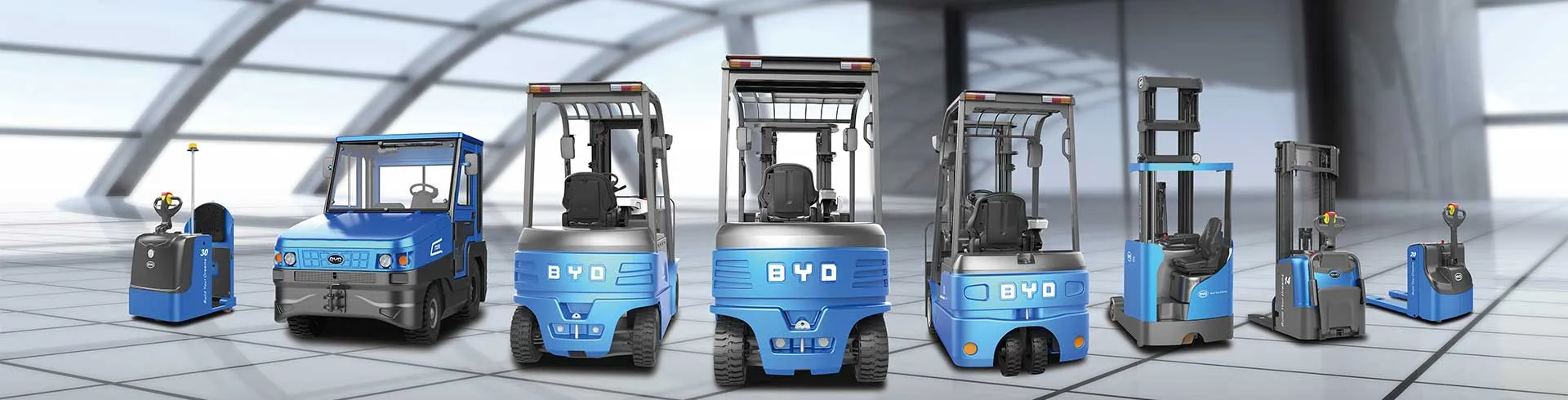
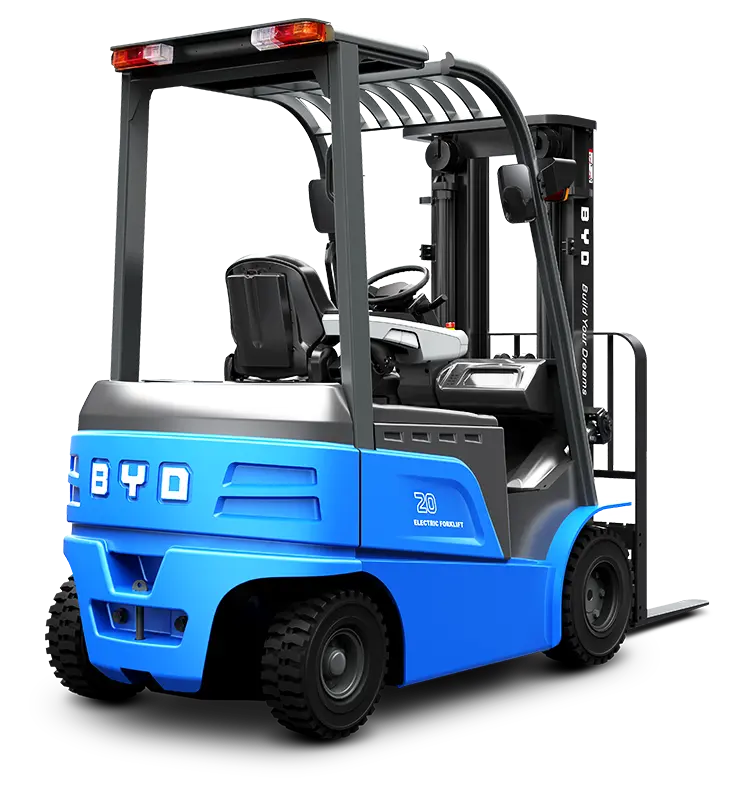
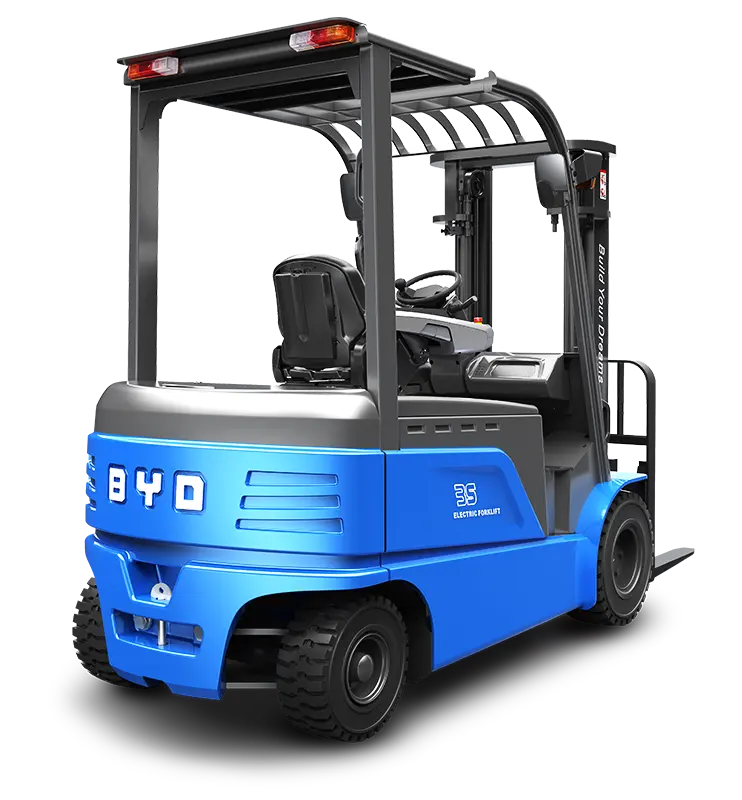
Heavy-duty electric forklifts are the core handling equipment in the field of industrial logistics, and their continuous and stable operation is directly related to operation efficiency and operating costs. Scientific and standardized daily operation and maintenance is the core means to extend the service life of the equipment.
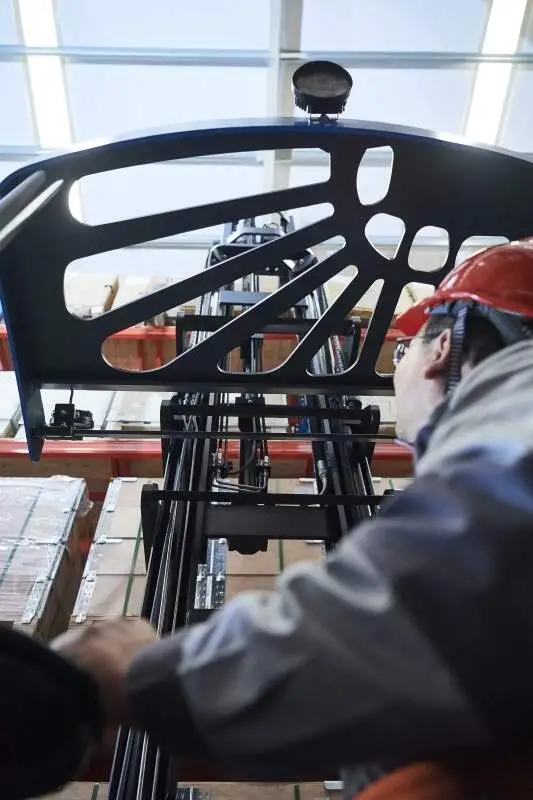
Daily pre-shift basic inspection is the primary link to ensure the safe operation of equipment. First of all, pay attention to the battery status, check whether the remaining power meets the needs of the day's operation, check whether the battery shell has any traces of damage and leakage, and whether the terminals are firm and rust-free to avoid battery failure causing midway shutdown. Secondly, the walking system inspection, carefully check the degree of tire wear, confirm that the tread is free of cracks and bulging, and test the sensitivity of the brake pedal to ensure normal walking and braking functions. Finally, the hydraulic system inspection, observe whether the hydraulic oil level is in the standard range, check whether there are leakage marks at YouTube and joints, and test whether the fork lifting, forward and backward tilting movements are smooth, and there is no abnormal noise of the card.
Regular in-depth maintenance is a key step in delaying the aging of equipment. For batteries, regular maintenance is required according to the type of battery. Lead-acid batteries should be replenished with distilled water in a timely manner to maintain the height of the electrolyte liquid level and avoid excessive charging and discharging. Each charge can be stopped to about 90% of the rated capacity to prolong the battery cycle life. For motors and electronic control systems, regular cleaning of dust and debris on the surface of heat dissipation components should be carried out to ensure the heat dissipation effect. Check whether the insulation layer of the line is damaged and whether the connector is loose to prevent failure due to overheating or short circuit. At the same time, pay attention to easily worn parts. Regularly check the wear of brake pads and seals according to the frequency of operation. Once the wear is found to exceed the standard, replace it in time to avoid the damage of parts
Standardized operation and fault prevention are important guarantees for reducing equipment wear and tear. During the operation process, the rated load requirements of the equipment should be strictly followed to avoid overload handling and reduce the additional load on the frame and hydraulic system; try to avoid sudden acceleration, sudden braking, and sudden steering during operation to reduce the wear speed of walking system components. When storing the equipment, choose a dry and ventilated environment to avoid battery moisture or motor parts rusting. When idle for a long time, the battery power should be regularly replenished to prevent power loss damage. If abnormal situations such as abnormal noises, action cards, and sudden drops in power are found in the equipment during daily operation, it should be stopped in time for investigation. Do not force the operation. Timely treatment of minor faults can avoid causing greater equipment damage.