简体中文
简体中文 Deutsch
 日本語
日本語 한국어
한국어 Tiếng Việt
 Русский
 ไทย
ไทย Bahasa Indonesia
 Bahasa Melayu
 Filipino
 لالعربية
 Français
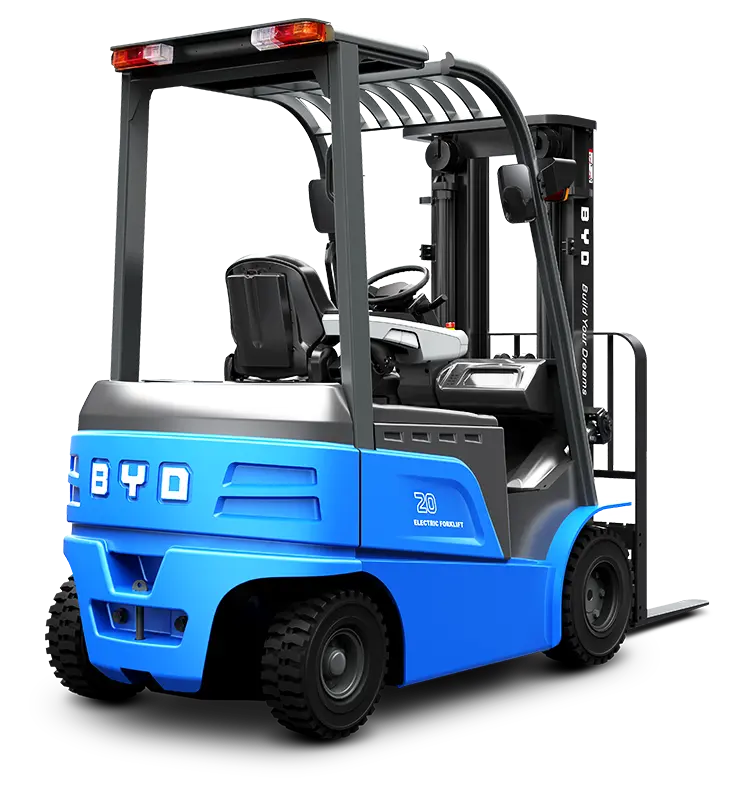
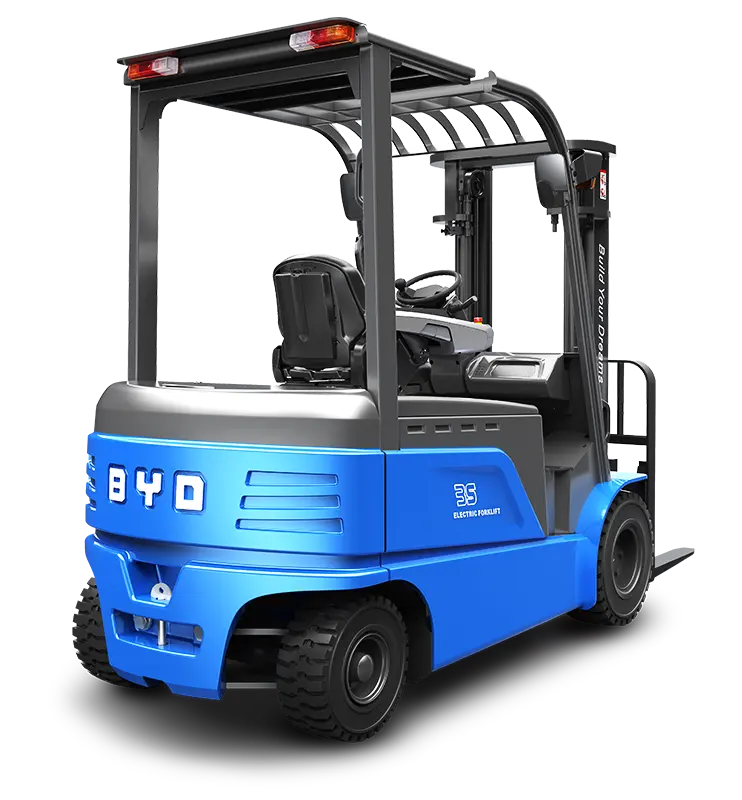
In modern industrial logistics and warehousing operations, large-tonnage forklifts undertake the core task of heavy cargo handling. Electric and internal combustion forklifts have significant differences in operation experience.
Power output and noise experience
Large-tonnage internal combustion forklifts rely on fuel to drive, with strong power output and good continuity. When starting with heavy loads and climbing, the power response is direct, but during the operation, large engine noise and exhaust emissions will be generated. Long-term operation is easy to cause the operator to experience auditory fatigue, which will also have a certain impact on the surrounding environment. Large-tonnage electric forklifts are driven by motors, with smooth and linear power output. During operation, the noise is extremely low and there is no exhaust emissions. Operators can maintain a relatively comfortable auditory environment during operation, which is more in line with environmental protection requirements.
Operation convenience experience
The operation of a large-tonnage internal combustion forklift involves steps such as fuel ignition and gear shifting, which requires high operator proficiency, especially when frequent start-stop and steering operations, the gear shifting operation will increase the complexity of the operation. The electric forklift adopts a continuously variable speed transmission system, which can be adjusted by simply controlling the accelerator pedal and steering wheel during operation. The control is lighter and more flexible, and the operator can get started faster, which can effectively improve the operation efficiency and reduce the probability of operation errors.
Maintenance and battery life experience
The maintenance of an internal combustion forklift involves multiple components such as the engine and the fuel system. The oil and filter elements need to be replaced regularly. The maintenance process is complicated and costly, and there are many daily inspection items. The core maintenance components of an electric forklift are the battery and the motor. The maintenance process is relatively simple, only need to check the battery status regularly and clean the motor. However, the battery life of an electric forklift is limited by the battery capacity. Long-term continuous operation requires battery replacement or charging time. While an internal combustion forklift only needs to replenish fuel to quickly restore its operating capacity.
Work environment adaptation experience
In closed or semi-closed warehouses, indoor logistics centers, etc., the characteristics of electric forklifts with no exhaust emissions and low noise are more advantageous, which will not affect indoor air quality and avoid noise interfering with surrounding work. In outdoor open-air workplaces, mining areas and other scenes with high demand for heavy loads and no environmental restrictions, the characteristics of long battery life and strong power of internal combustion forklifts can better adapt to the needs of long-term continuous operation.
Overall, large-tonnage electric forklifts and internal combustion forklifts have their own suitable scenarios. Users can choose the type of forklift that better meets their own operating experience needs according to their own operating environment, operating intensity, and environmental protection needs.