简体中文
简体中文 Deutsch
 日本語
日本語 한국어
한국어 Tiếng Việt
 Русский
 ไทย
ไทย Bahasa Indonesia
 Bahasa Melayu
 Filipino
 لالعربية
 Français

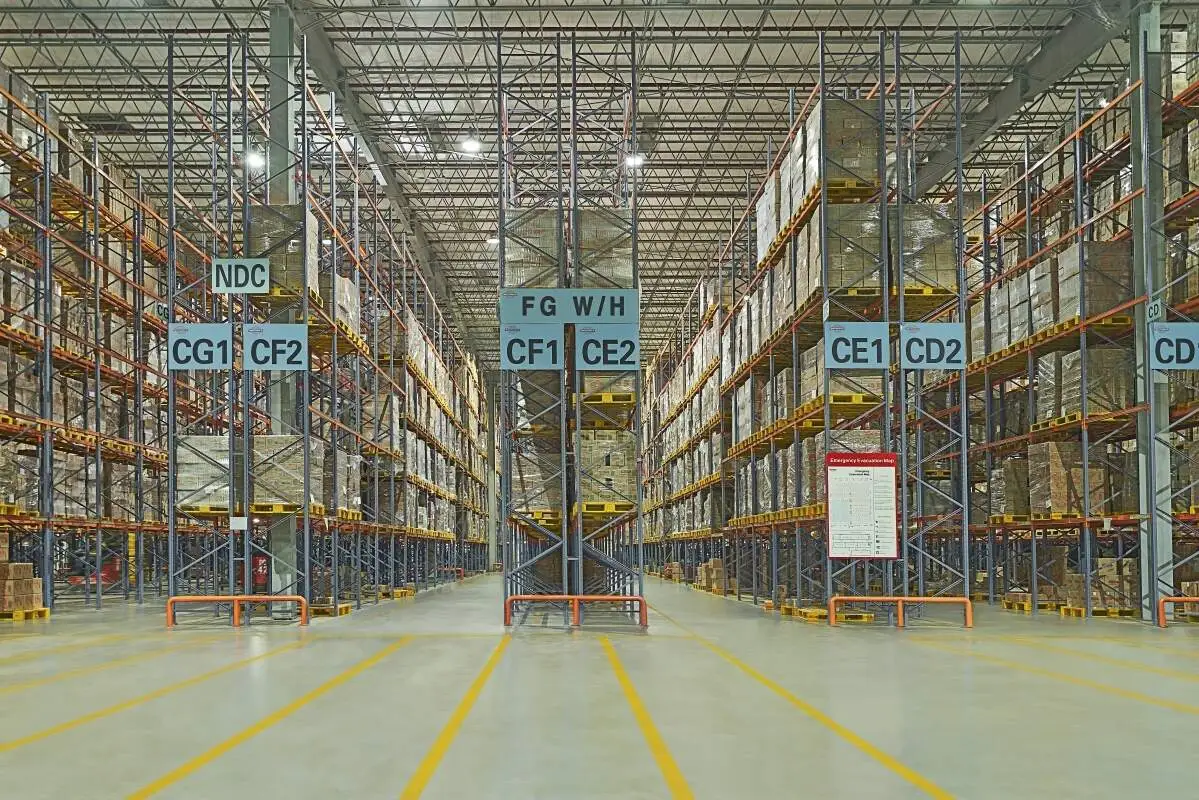
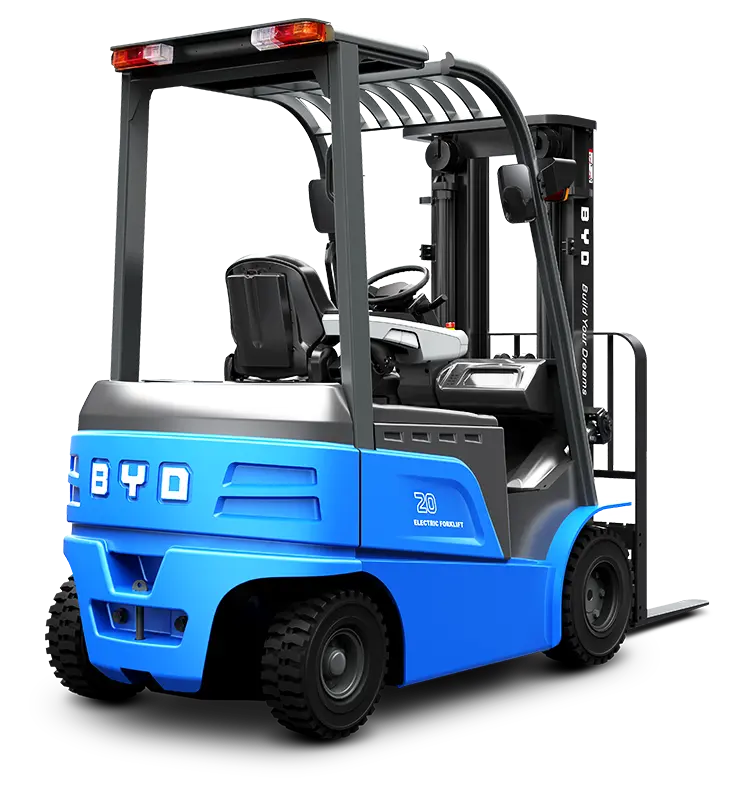
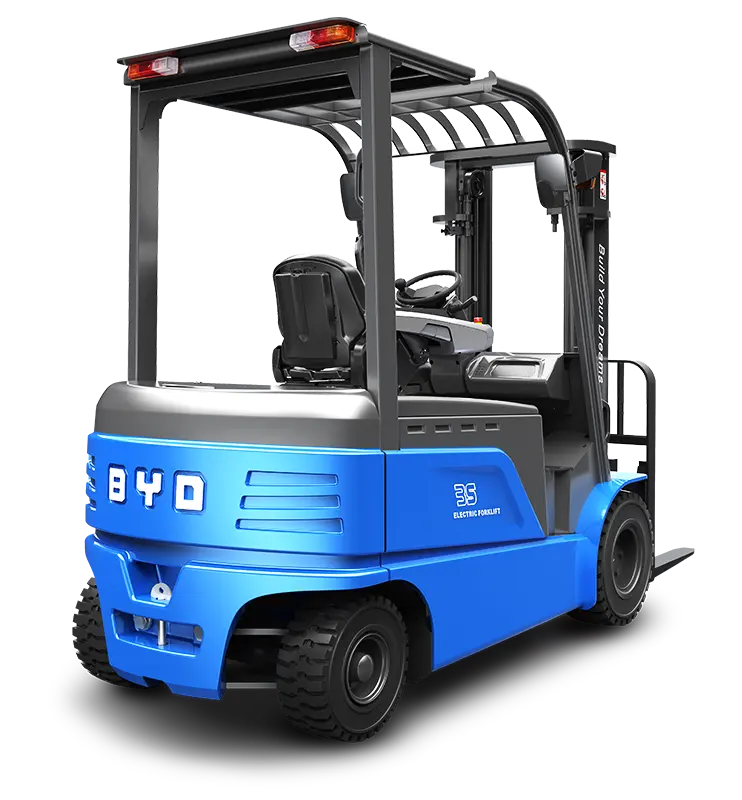
Nowadays, lithium-ion forklifts have become a common operating equipment for warehousing and logistics handling scenarios. Battery life is the core reference indicator for most users when purchasing. Many users have misunderstandings about the relationship between battery capacity and battery life. The following is a detailed explanation of the relationship between the two and related precautions.
The basic relationship between battery capacity and battery life of lithium battery forklift
Under the standard test conditions of operation scenarios, load weight, operating habits, and ambient temperature, the battery capacity and battery life of lithium-ion forklifts are basically positively correlated. For lithium-ion forklifts with the same configuration, the higher the rated capacity of the battery, the more electric energy can be stored, and the longer the working time can be supported. For example, for lithium-ion forklifts of the same load class, the battery life of a 200Ah battery is usually about 30% higher than that of a 150Ah battery under the premise of transporting half-load goods on a flat ground branch, but this correspondence only exists in scenarios where other variables are completely consistent, and the battery life will be affected by various factors during actual use.
Other common factors affecting the battery life of lithium-ion forklifts
The impact of job scenarios and loads
If a lithium-ion forklift works on ramps or uneven roads for a long time, or if it is fully loaded or even overloaded for a long time, the energy consumption of the motor will increase significantly. Even if the battery capacity is the same, the actual battery life will be 20% to 30% lower than that of flat and light-duty operations.
The influence of operating habits
Frequent sudden acceleration, sudden braking, and long-term high-frequency start and stop will increase the unnecessary energy consumption of the battery and compress the actual battery life. According to actual usage data, the battery life of the same configuration lithium forklift operated by beginners is generally about 10% to 15% lower than that operated by skilled operators.
The influence of ambient temperature
The discharge activity of lithium batteries is greatly affected by the ambient temperature. When the ambient temperature is lower than 0 degrees Celsius, the discharge efficiency of the battery will decrease to a certain extent, and the actual battery life will also be lower than in the operating environment at room temperature of 25 degrees Celsius. The lower the temperature, the more obvious the decrease in battery life.
Practical Suggestions for Reasonable Selection of Battery Capacity
When purchasing a lithium-ion forklift, users do not need to blindly pursue too high battery capacity. They can choose the appropriate capacity based on their daily operating hours, operating scenarios, and average load. For example, in an indoor flat-floor storage scenario with a daily operating time of about 6 hours, choose a capacity with a battery life that just covers the daily operating time. Excessive capacity will not only increase the cost of purchasing a car, but also increase unnecessary energy consumption due to the increase in battery weight. Maintaining stable operating habits during daily use, avoiding overload operations, and properly preheating the battery before operation in a low-temperature environment in winter can help stabilize battery life performance and prolong battery life at the same time.