简体中文
简体中文 Deutsch
 日本語
日本語 한국어
한국어 Tiếng Việt
 Русский
 ไทย
ไทย Bahasa Indonesia
 Bahasa Melayu
 Filipino
 لالعربية
 Français
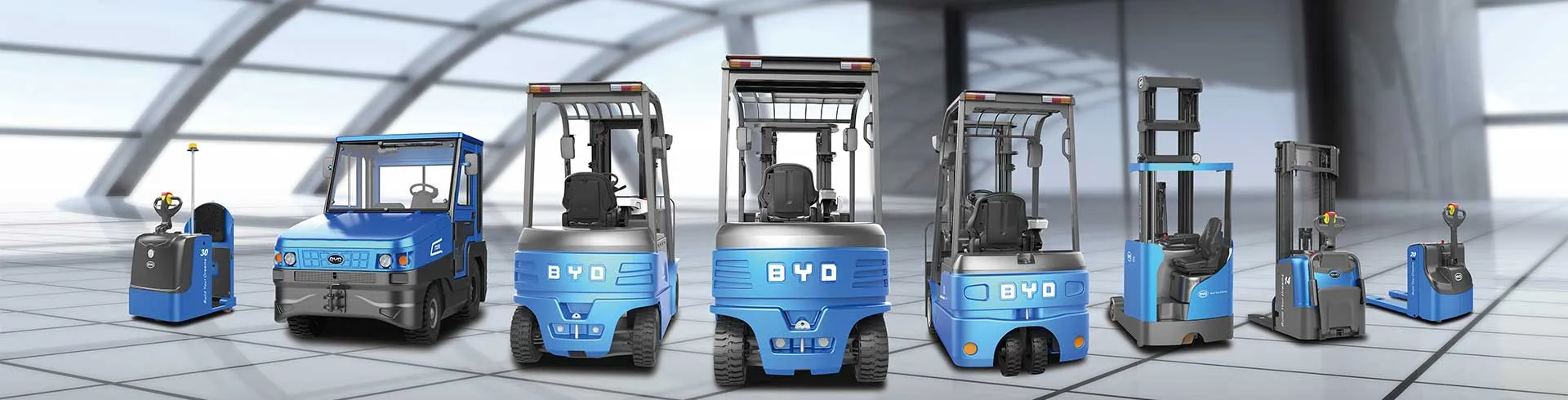
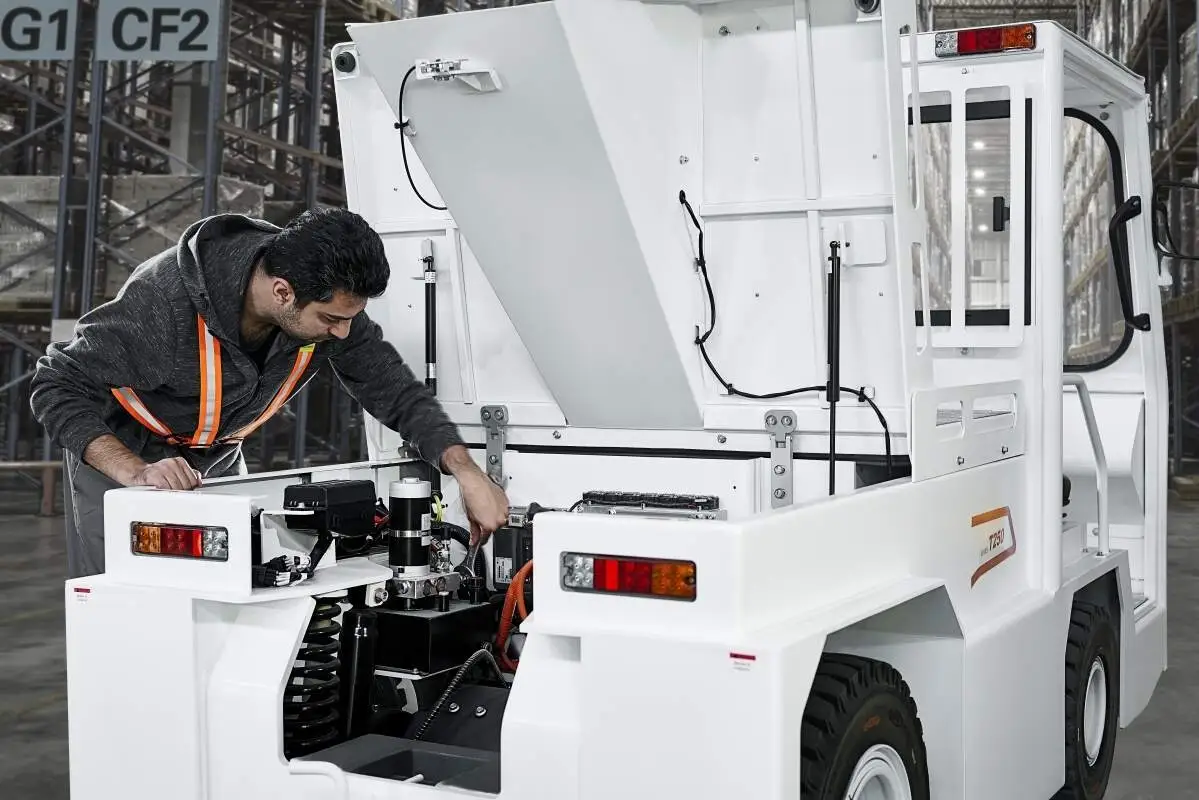
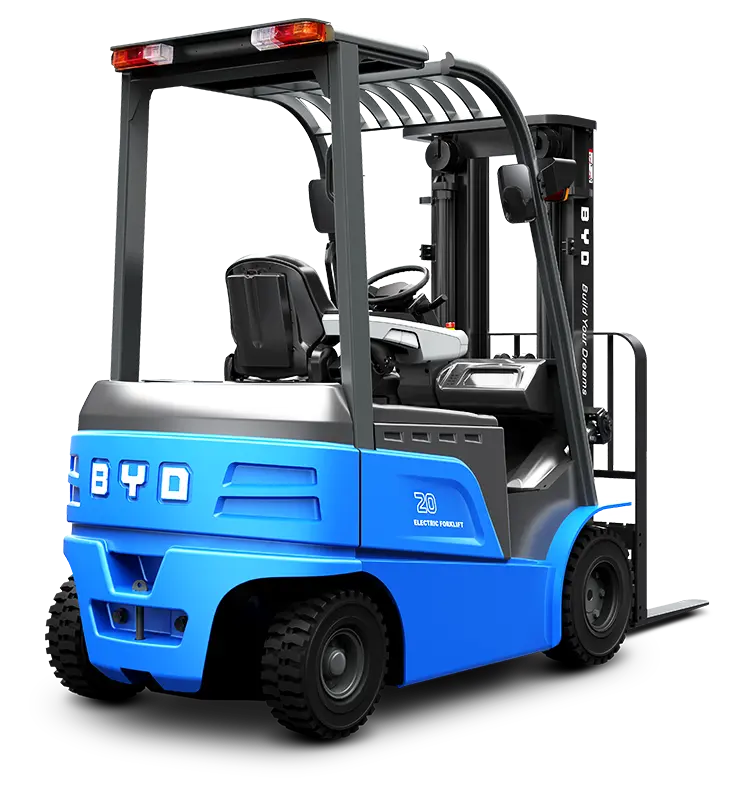
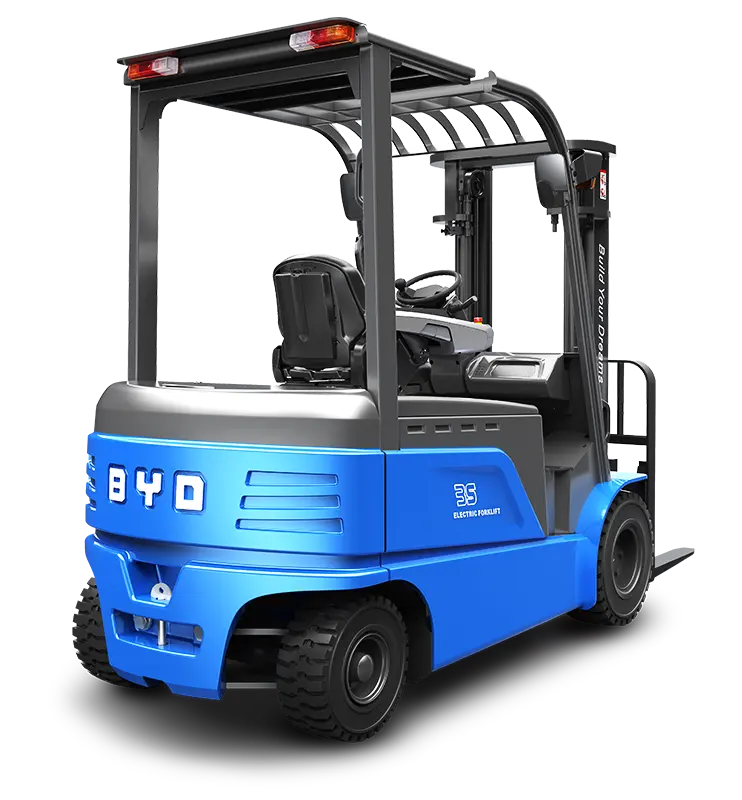
Ride-on lithium forklifts are widely used in warehousing and logistics and other scenarios due to their environmentally friendly and efficient characteristics. In daily operation, if there is a basic failure, the operator can suspend the operation to do a good job of safety protection, and then follow the following steps to check and deal with it.
First, let's look at the failure to start. This is a more common situation and can be checked from three aspects. The first step is to check the battery status to see if the power indicator light is on. If the power is insufficient, connect the compliance charging device to charge in time. Make sure the environment is ventilated and dry during charging, and keep away from flammable and explosive items. The second step is to check the power switch and the emergency stop button. Whether the power switch is in the on position, whether the emergency stop button is pressed or not turned up to reset, and if there is any problem, adjust it to the normal state. The third step is to check the seat switch. For some models, the operator needs to sit on the seat to trigger the switch to start, so as to ensure that the seat is in place normally and the switch is free of
Then there is the failure of the brake or the failure of the brake is weak. The first step is to check the stroke of the brake pedal. If the stroke is too large, it may be that there is wear or clearance problems in the brake system. You can contact a professional maintenance staff to adjust it. Do not disassemble the brake assembly yourself. The second step is to check whether the parking brake is completely released. If it is not completely released, it will increase the driving resistance and affect the brake performance. Adjust it to a completely released state and then test. The third step is to check the brake oil level and observe the scale line of the brake oil pot. If the oil level is lower than the minimum scale, supplement the compliance brake oil of the same type. After replenishing, check whether there is any leakage point. If there is any leakage, it needs to be
Then there is the problem of difficult steering. The first step is to check whether there is any debris entangled around the steering wheel, such as plastic bags, ropes, etc., and then test whether the steering is smooth after cleaning it up. The second step is to check the tire pressure. If the air pressure is insufficient, it will increase the steering resistance. Refer to the standard air pressure on the vehicle manual to inflate the tire. The third step is to check the steering hydraulic oil level. Open the steering hydraulic oil tank cover to observe the oil level. If it is lower than the minimum scale to supplement the compliance hydraulic oil of the same type, practice running to eliminate the air after supplementation. If there is still a problem, contact a professional.
The last is the failure of abnormal battery charging. The first step is to check whether the charging cable and charging interface are in good condition, whether there is damage, deformation, oxidation, etc. If there is oxidation, wipe the interface with a clean dry cloth, and replace the compliant charging cable if there is any damage and deformation. The second step is to check the charging environment temperature. The suitable charging temperature of lithium batteries is generally between 0 and 40 degrees Celsius. If the ambient temperature is too high or too low, it may cause abnormal charging. After adjusting to the appropriate temperature, booster charge. The third step is to check whether the vehicle is powered on or started. When charging, turn off the power switch and ensure that the vehicle is in a static state.
The above are the basic common fault self-examination methods for ride-on lithium forklifts. If the fault remains unresolved after treatment, do not force the operation. Immediately contact a professional maintenance personnel for maintenance to ensure equipment safety and operation safety.