简体中文
简体中文 Deutsch
 日本語
日本語 한국어
한국어 Tiếng Việt
 Русский
 ไทย
ไทย Bahasa Indonesia
 Bahasa Melayu
 Filipino
 لالعربية
 Français

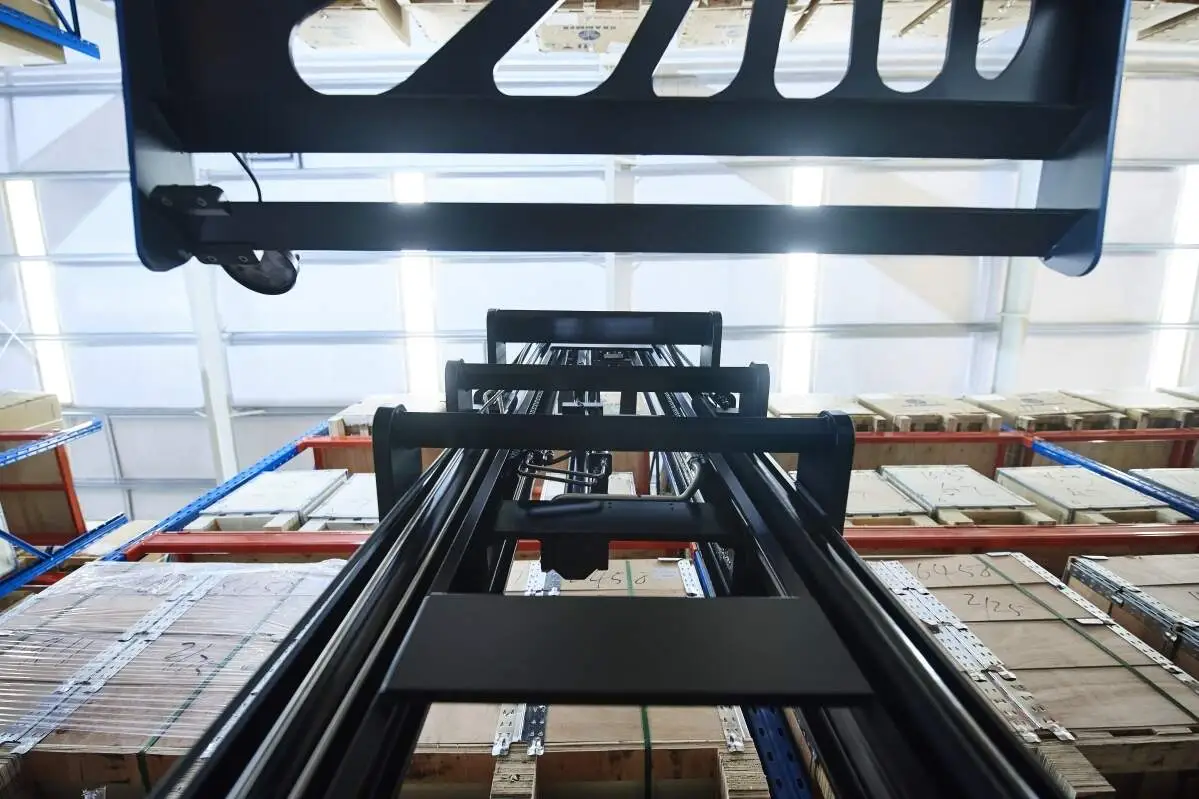
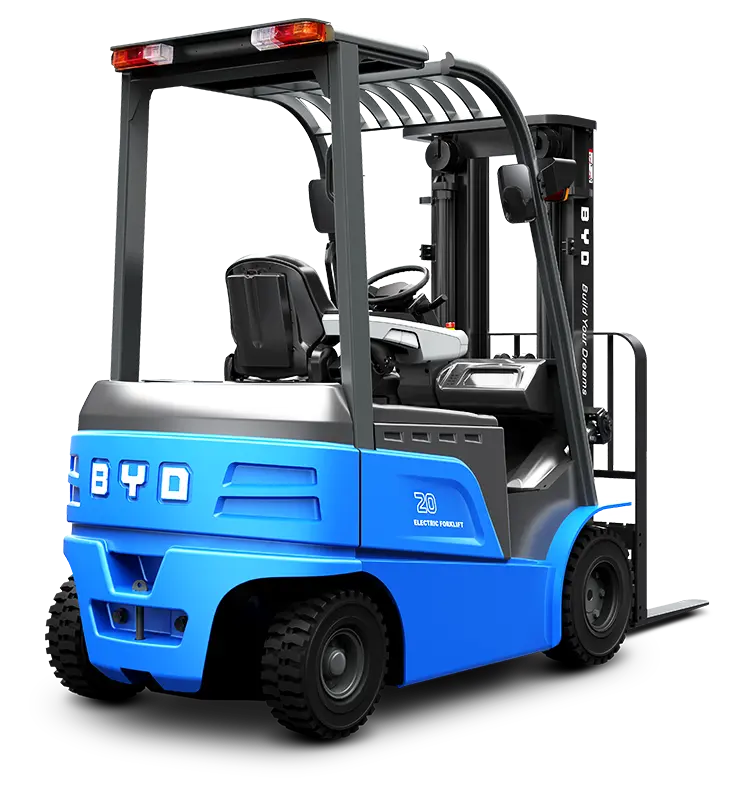
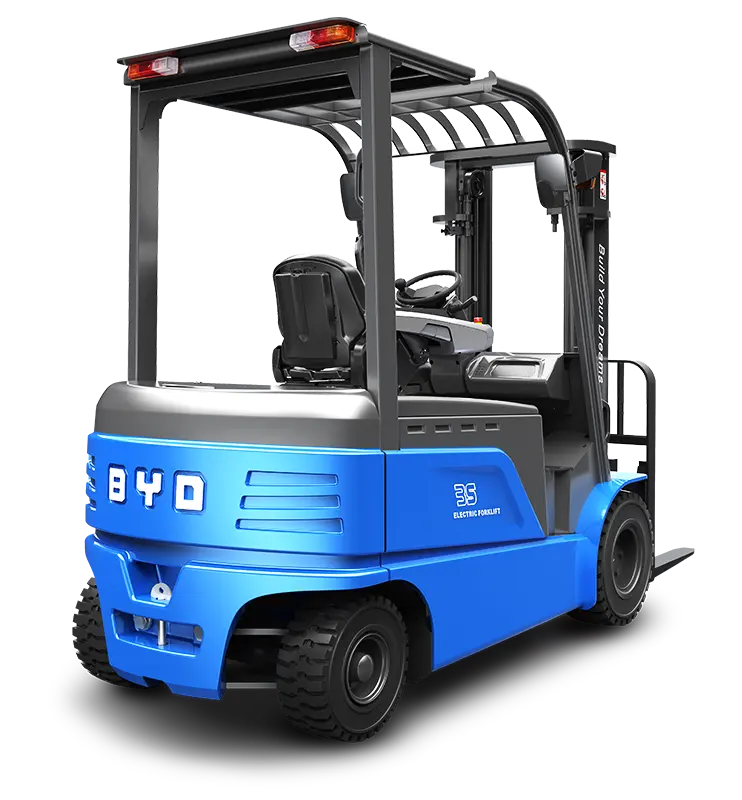
The operation efficiency and safety of electric forklifts in warehousing, logistics and other scenarios largely depend on the stability of the chassis structure. The floating chassis design on the BYD P30PS is precisely based on the characteristics of different operating conditions to create a core structure that is both adaptable and stable.
The Core Design Logic of Floating Chassis Structure
Chassis floating mechanism adapted to complex operating conditions
In actual operation scenarios, the ground is often slightly bumpy or sloped, and it is difficult for ordinary fixed chassis to keep all tires evenly grounded, which is prone to uneven local force. The floating chassis of the P30PS can automatically adjust the chassis attitude according to the ground conditions through a flexible connection structure, ensuring that the four tires are always in line with the ground, dispersing the weight of the whole machine, and avoiding the risk of slipping or tilting caused by single wheel overload.
Principle of dynamic control of center of gravity
The center of gravity of the forklift during operation will change with the weight of the goods and the lifting height, which is a key factor affecting the stability. In the structural design of the floating chassis, by optimizing the position and elastic coefficient of the connection points, the chassis support angle can be dynamically adjusted according to the change of the center of gravity, reducing the shaking of the whole machine caused by the deviation of the center of gravity, so that the forklift can maintain a stable state during the lifting and handling process.
Practical improvement of operating stability by floating chassis
Stability guarantee under heavy load operation
When the forklift carries heavy-duty goods, the load of the whole machine increases significantly, which requires higher load-bearing capacity and stability of the chassis. The distributed force design of the floating chassis can evenly distribute the heavy-duty pressure to each tire, reducing the possibility of local deformation of the chassis. At the same time, with the damping buffer structure of the chassis, it can relieve the impact force during starting and braking, and avoid the shaking or tipping of the goods.
Flexibility and stability in working in confined spaces
When working in narrow spaces such as storage shelves, forklifts need to frequently turn and adjust their positions, and ordinary chassis is prone to roll due to steering inertia. During the steering process, the floating chassis of the P30PS can offset the center of gravity shift caused by part of the steering inertia through the slight fluctuation of the single-sided chassis, allowing the forklift to remain flexible and maintain overall stability during small-scale operation, reducing the risk of colliding with shelves or goods.
Overall, the floating chassis structure of the BYD P30PS provides reliable support for the operation stability of the electric forklift through the design logic of the fit working conditions and the performance optimization of the actual scene, and also lays the foundation for efficient and safe operation in different scenarios.