简体中文
简体中文 Deutsch
 日本語
日本語 한국어
한국어 Tiếng Việt
 Русский
 ไทย
ไทย Bahasa Indonesia
 Bahasa Melayu
 Filipino
 لالعربية
 Français

With the development of the warehousing and logistics industry towards intelligence and efficiency, the performance upgrade of electric forklifts, as the core equipment of material handling, has become the focus of the industry. In recent years, the continuous iterative upgrade of lithium battery technology has brought all-round performance improvement to electric forklifts, enabling them to better adapt to multi-industry differentiated warehousing operation scenarios.
The iteration of lithium battery technology is first reflected in the optimization of energy density and battery life. Compared with traditional power equipment, the new generation of lithium battery system has significantly improved energy density, enabling electric forklifts to carry more power under the same weight, and the cruising range has been greatly increased to meet the needs of multi-shift continuous operation. At the same time, the mature application of fast charging technology allows electric forklifts to complete power replenishment in a short time, without long downtime waiting, effectively reducing operation interruption time and adapting to high-frequency operation scenarios.
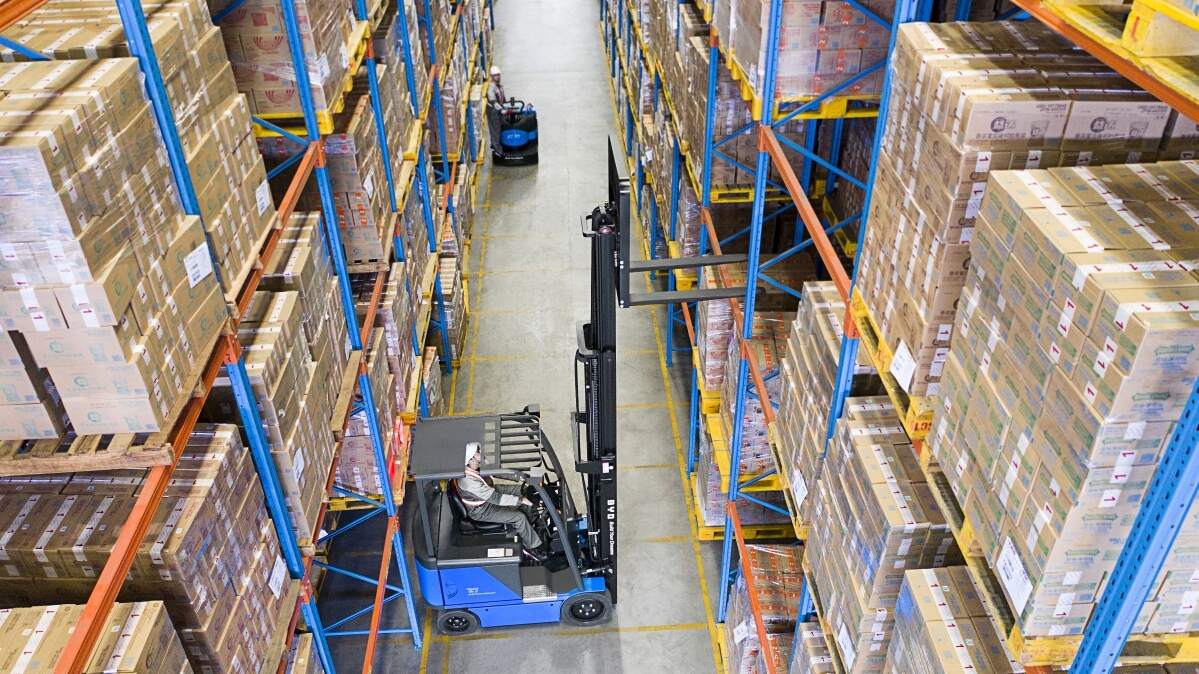
In the e-commerce warehousing scenario, the high-frequency turnover of orders and the diverse handling requirements of goods place high demands on the flexibility and efficiency of electric forklifts. With its compact body design and flexible handling performance, lithium-ion electric forklifts can freely shuttle between dense shelves and quickly complete picking, handling, stacking and other operations. Its stable battery life and fast charging characteristics can support high-intensity operations during the e-commerce promotion period, avoiding the impact of order performance efficiency due to insufficient power.
Manufacturing warehousing scenarios often involve the handling of heavy materials, and the operating environment is complex, which requires strict power performance and reliability of equipment. After the lithium battery technology upgrade, the electric forklift has stronger power output, which can easily carry heavy goods and adapt to long-term continuous operation mode. At the same time, the lithium battery system has a longer cycle life, lower maintenance costs, and reduced equipment downtime for maintenance, which meets the needs of efficient operation of manufacturing warehousing.
The low temperature environment of cold chain storage is a big test for the performance and stability of the equipment. Traditional power equipment is prone to problems such as power attenuation and difficulty in starting in low temperature environment, while the iterative lithium battery system has excellent low temperature adaptability and can still maintain stable power output and battery life in low temperature environment. In addition, the lithium battery electric forklift has no exhaust emissions and will not pollute the clean environment of cold chain storage, which meets the operating standards of low temperature storage.
Pharmaceutical warehousing has strict requirements on the cleanliness and noise control of the working environment. Lithium battery electric forklifts have low noise and no exhaust emissions during operation, which can meet the clean operation needs of pharmaceutical warehousing and avoid affecting the drug storage environment. At the same time, precise control performance can ensure stability when handling precision pharmaceutical goods and reduce the risk of damage to the goods.
Overall, the iterative upgrade of lithium battery technology has improved the battery life, power, and adaptability of electric forklifts, enabling them to flexibly adapt to warehousing operation scenarios in various industries such as e-commerce, manufacturing, cold chain, and medicine, providing more efficient and reliable material handling solutions for warehousing and logistics operations in various industries, and promoting the intelligent development of the warehousing and logistics industry.