简体中文
简体中文 Deutsch
 日本語
日本語 한국어
한국어 Tiếng Việt
 Русский
 ไทย
ไทย Bahasa Indonesia
 Bahasa Melayu
 Filipino
 لالعربية
 Français
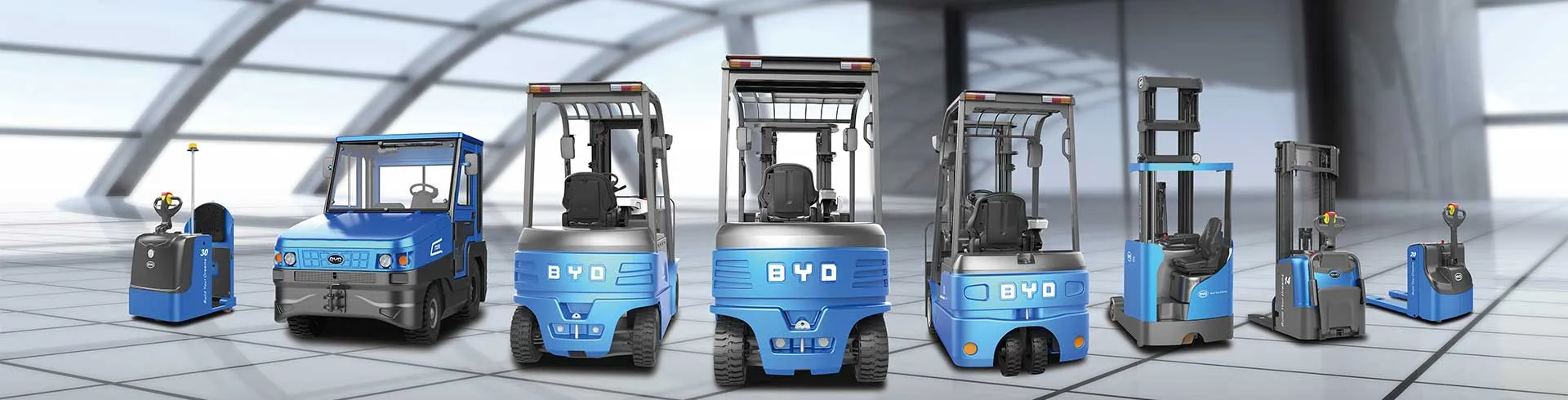
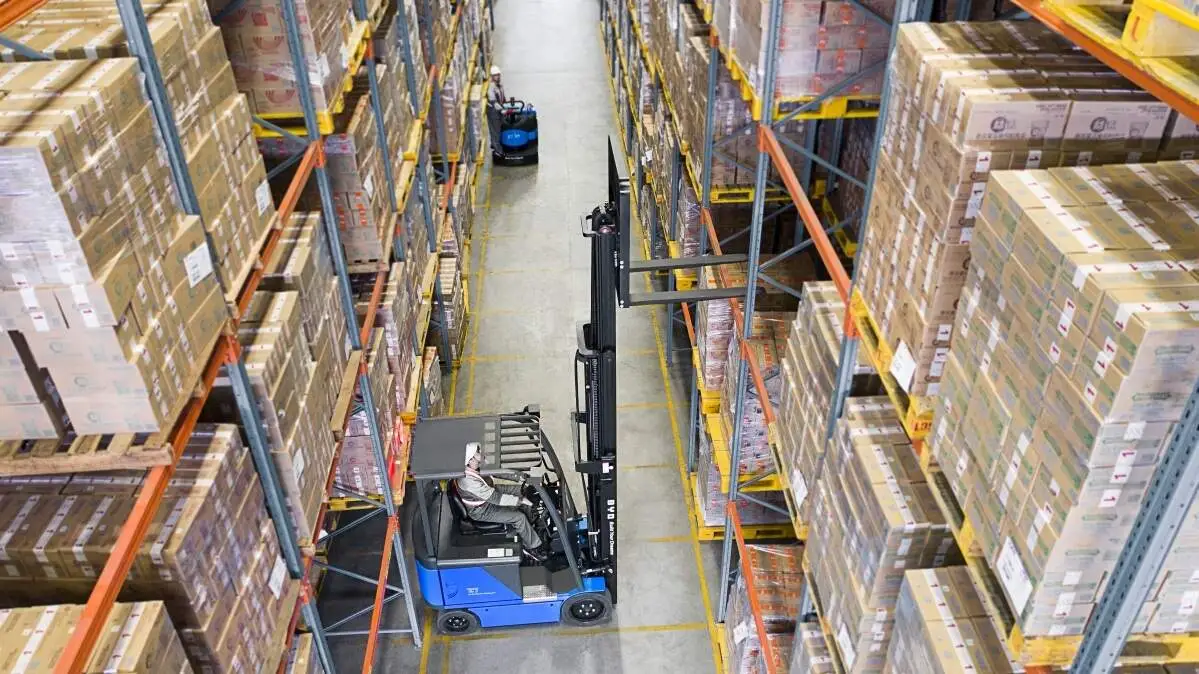
In the warehousing logistics and factory material handling scenarios, the 2-ton electric pallet truck has become the core tool for improving operation efficiency due to its flexible and efficient characteristics. The current mainstream 2-ton electric pallet truck is divided into walking type and standing driving type. There are obvious differences in the application scenarios, operation mode and performance performance of the two, and many practitioners find it difficult to choose the type.
In terms of applicable scenarios, the walking pallet truck is compact and has a smaller turning radius. It is suitable for scenes with limited space such as narrow passages, small warehouses or e-commerce sorting centers. It is especially suitable for frequent starts and stops and short-distance handling conditions, such as cargo transfer between shelves and sorting of scattered materials. The standing pallet truck is more suitable for long-distance and large-load continuous handling scenarios, such as warehouse area transfer in large warehouses and batch transportation of finished products out of the warehouse. In such scenarios, drivers do not need to walk for a long time, which can effectively reduce physical exertion and prolong continuous operation time.
In terms of operation experience, the walking pallet truck has a low operating threshold, and beginners can get started after simple training. During operation, the driver follows the vehicle on foot, precisely controls forward, backward and steering through the handle, and performs well in high-precision positioning scenarios such as shelf clearance alignment. The standing pallet truck is equipped with a standing operating platform. The driver stands on the platform and has handrails to provide support. It can significantly reduce fatigue during long-distance handling, but it is less flexible in a narrow space and requires slightly higher driver operation proficiency.
In terms of performance parameters, both models are equipped with large-capacity batteries, which can meet the needs of regular operations in a single day. The body weight of the stand-up pallet truck is slightly larger, and the battery life is slightly different under the same battery configuration, but the chassis structure is more solid, and the stability is stronger when working on bumpy roads or slopes. The walking pallet truck has a more sensitive acceleration and braking response, and is suitable for the rhythm of frequent starts and stops.
When selecting a model, if the short-distance handling in a narrow space is the main one, the operation accuracy is high, or there are more novice operators, the walking pallet truck is given priority; if the long-distance continuous handling is the main one, the pursuit of operation efficiency and the reduction of personnel fatigue, the station-driven pallet truck can be selected, and at the same time, the site conditions, daily operation volume and other factors are comprehensively considered to ensure that the selection matches the actual needs.