
 简体中文
简体中文 Deutsch
 日本語
日本語 한국어
한국어 Tiếng Việt
 Русский
 ไทย
ไทย Bahasa Indonesia
 Bahasa Melayu
 Filipino
 لالعربية
 Français
The Core Logic of Three-Fulcrum Balanced Redesign
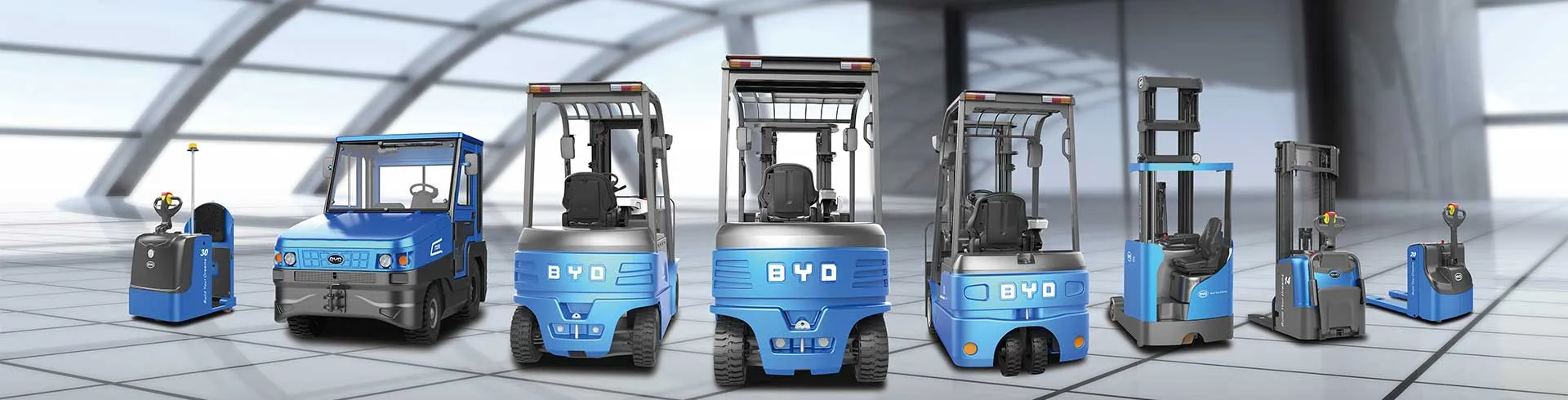
In warehousing and logistics operations, the operation stability of electric forklifts is directly related to the efficiency of cargo loading and unloading, personnel safety and equipment service life. The three-pivot balance weight design is an important structural scheme to optimize the operation performance of industrial vehicles. The core lies in adjusting the distribution of pivots and the weight of the center of gravity, which is different from the traditional double-pivot layout.
Stability performance in job scenarios
This type of design combines the vehicle chassis structure to reasonably distribute the counterweight between the front and rear fulcrums, and the three fulcrums form a stable support surface during steering to reduce the risk of rolling. When operating in a narrow channel, the flexible steering and stable support capabilities are adapted to the handling needs of a small space; under heavy-duty conditions, the offset of the center of gravity is effectively controlled to ensure the stability of the operation.
Optimization direction of design details
The design is not a single counterweight adjustment, but a combination of the power system and hydraulic system layout, so that the center of gravity of the overall structure is in a reasonable range to avoid excessive load on a single component. Through the precise coordination of support points and counterweight proportions, the stability performance under different operating scenarios is further improved, providing support for the efficient operation of the warehousing link.


