
 简体中文
简体中文 Deutsch
 日本語
日本語 한국어
한국어 Tiếng Việt
 Русский
 ไทย
ไทย Bahasa Indonesia
 Bahasa Melayu
 Filipino
 لالعربية
 Français
Life Cycle Usage Cost Difference
Daily energy cost difference
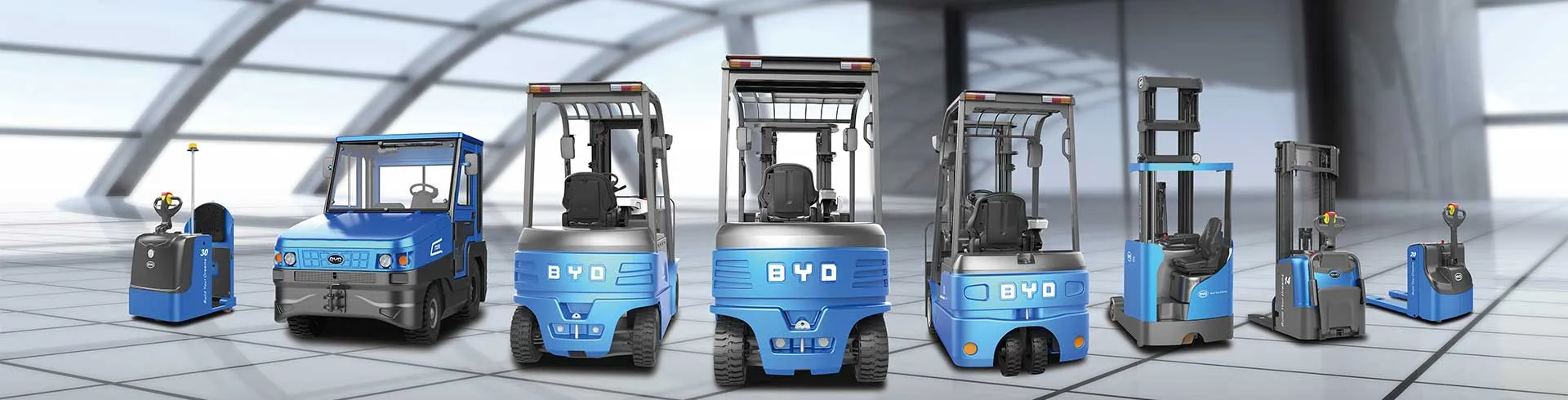
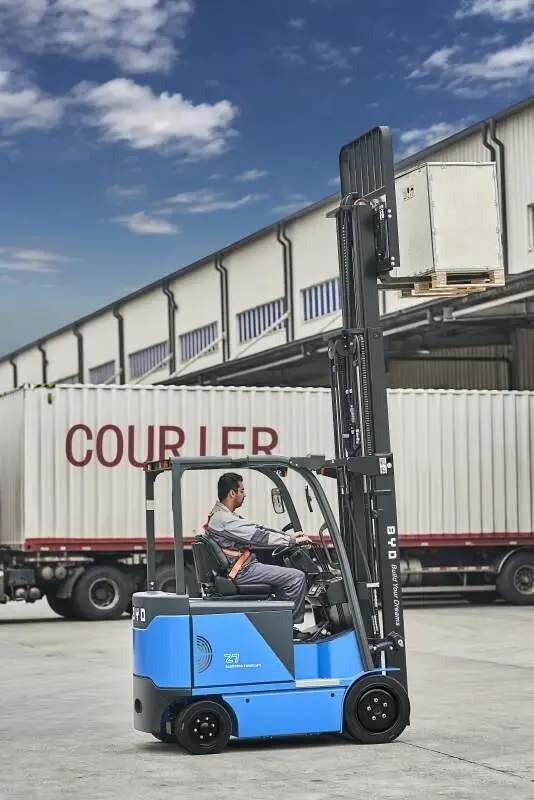
New energy-powered forklifts use electricity as the driving energy, and the unit energy consumption cost is much lower than the fuel consumption of the same level of fuel forklifts. The expenditure gap in long-term high-frequency operation scenarios will gradually widen, and the daily energy replenishment process is also simpler. There is no need to connect the complex oil procurement related processes separately, which can reduce a lot of non-operational transactional investment.
Post-maintenance cost difference
The structure of the electric drive system is relatively streamlined, without the complex oil circuits, filters, spark plugs and other loss components related to the fuel engine. The number of parts that need to be replaced and maintained regularly is smaller, and the complexity of maintenance operations is low. The corresponding maintenance labor and parts expenses can be reasonably controlled, which can reduce the relevant investment in long-term operation.
Differences in actual job experience
running state performance difference
The power output of the electric drive is smooth, without the obvious vibration and noise caused by the operation of the fuel engine during operation, and the long-term continuous operation will not bring additional somatosensory burden to the operator. The overall ambient noise level in the working area is lower, which will not interfere with the normal office and cargo sorting order around.
Differences in environmental attributes
The electric forklift will not generate exhaust emissions during the operation, nor will there be any odor caused by oil volatilization. In the storage space and food and drug cargo handling scenarios that require environmental cleanliness, it can effectively avoid the adhesion of exhaust oil to the surface of the goods and reduce the probability of cargo staining.
Difference in multi-scenario adaptability
Closed Scene Job Adaptation
No matter it is a closed elevated warehouse or an underground storage space, electric forklifts can operate normally without additional exhaust emission treatment equipment, without the need to reserve special ventilation and odor dissipation time, which can effectively improve space utilization and adapt to more special layout storage sites.
long-term operational adaptation
At present, the emission requirements for on-site non-road mobile equipment in most regions are gradually tightened, the compliance attributes of electric forklifts are stronger, and the policy risk of subsequent long-term operation is lower. It is not necessary to frequently upgrade equipment for emission requirements, and adapt to long-term stable on-site handling operation needs.


