简体中文
简体中文 Deutsch
 日本語
日本語 한국어
한국어 Tiếng Việt
 Русский
 ไทย
ไทย Bahasa Indonesia
 Bahasa Melayu
 Filipino
 لالعربية
 Français
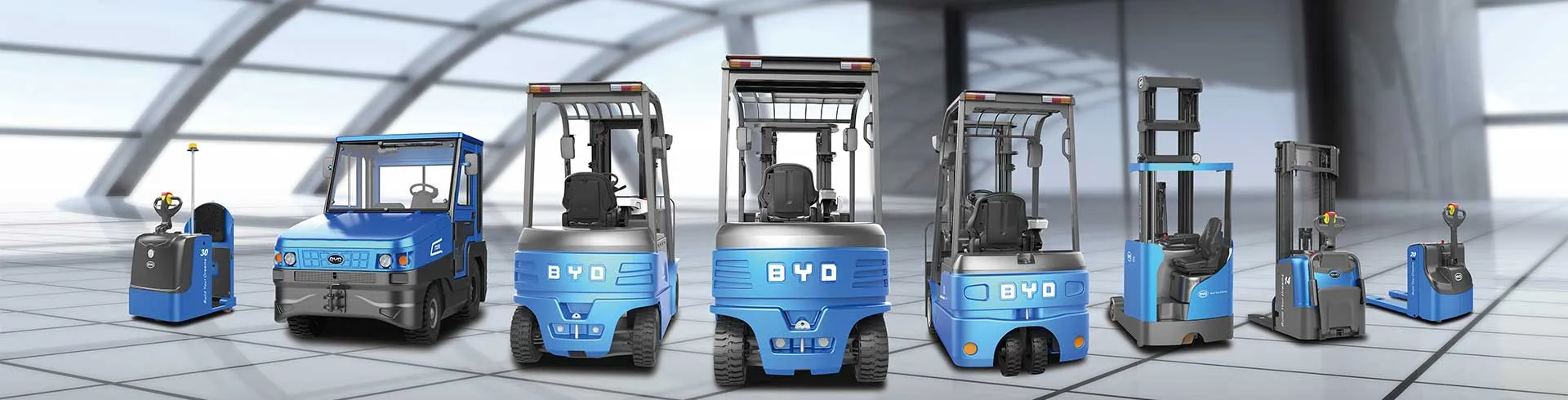
With the popularity of new energy forklifts in industrial warehousing, logistics and transportation scenarios, as the core supporting equipment charger, its standardized use and scientific maintenance directly affect the life of the equipment and the efficiency of the forklift operation, which is a skill that operators must master.
Precautions in the use stage of the charger
Installation and environmental adaptation requirements. The charging machine should be placed in a ventilated, dry, non-corrosive gas flat area, and flammable and explosive items should not be stacked around to avoid direct sunlight and rain splashing. Before connecting the power supply, confirm that the power supply voltage matches the rated voltage of the charger. Do not use power supplies that do not meet the parameter requirements at will to avoid damage to internal components.
Standardize the main points of the operation process. Before charging, check whether the charger interface and connecting cable are damaged or blocked by foreign objects. After confirming that there is no abnormality, insert the charging plug into the forklift charging port first, and then connect the power supply terminal. Do not pull the cable or plug the plug at will during the charging process. If you find that the surface of the charger is abnormally hot or exudes odor, you need to immediately cut off the power supply to investigate the problem. It is strictly forbidden to wipe the running charger with a damp cloth. After charging is completed, you need to disconnect the power supply plug first, and then unplug the charging plug at the forklift end to avoid ignition at the interface and damage to the equipment.
The core points of daily maintenance of the charger
Daily cleaning and routine inspection. After each use, it is necessary to clean the dust and oil attached to the surface of the charger in time to avoid sundries from entering the inside of the device. Before each charge, check whether the interface is loose and oxidized, and whether the outer skin of the cable is cracked or worn. If the cable is found to be damaged, it needs to be replaced in time and cannot be used reluctantly.
Regular inspection and idle maintenance. The input and output voltage and current parameters of the charger need to be tested once a quarter to confirm that the parameters are within the normal range. If the charger is idle for a long time, it needs to be unplugged and placed in a dry and ventilated area. It can be powered on and run for half an hour every 1 to 2 months to avoid the failure of internal components due to moisture.
Requirements for fault handling. When the charger fails to work or has abnormal parameters, non-professionals should not disassemble the equipment without permission to avoid the risk of electric shock or cause secondary damage. They need to contact professional maintenance personnel for investigation and handling. Chargers with mismatched parameters cannot be used to charge the forklift to avoid damage to the forklift battery.
Doing a good job in the use of chargers and daily maintenance can not only reduce equipment maintenance costs, but also effectively ensure the operational stability of new energy forklifts.