简体中文
简体中文 Deutsch
 日本語
日本語 한국어
한국어 Tiếng Việt
 Русский
 ไทย
ไทย Bahasa Indonesia
 Bahasa Melayu
 Filipino
 لالعربية
 Français
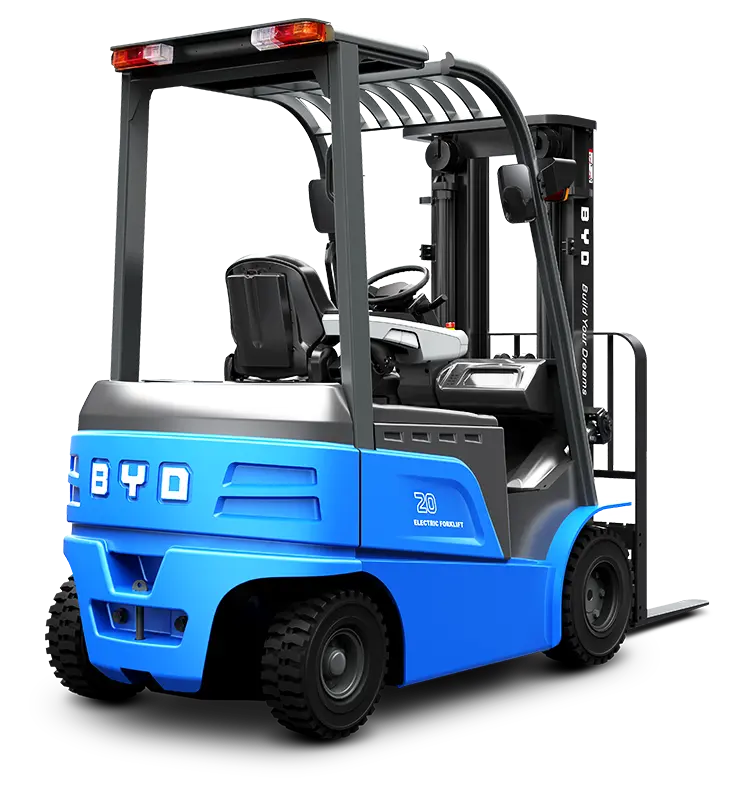
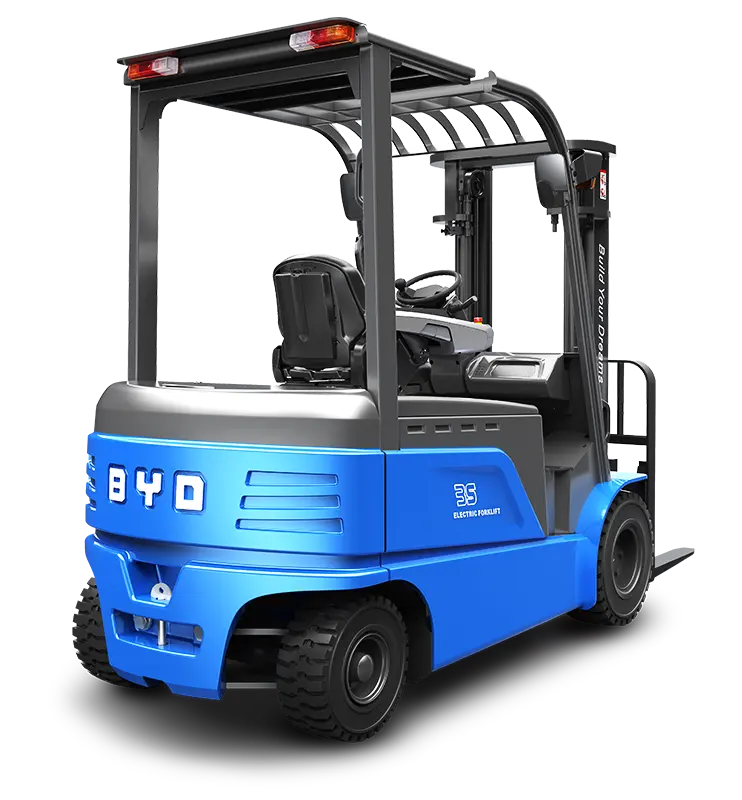
Performance Requirements for Forklifts in Port Yard Operations
workload requirement
The port yard is mainly used for container loading and unloading, heavy cargo transit, and the weight of single cargo generally ranges from several tons to tens of tons. Forklifts are required to have sufficient load capacity, strong climbing performance, and adapt to the complex ground conditions of the yard. At the same time, it is necessary to support long-term continuous operation to avoid affecting the port circulation efficiency due to equipment downtime.
Working timeliness requirements
The port yard is a 24-hour uninterrupted operation scenario, with strict requirements for the arrival and departure of goods. The response speed and failure probability of forklifts directly affect the overall operation scheduling efficiency, so there are high requirements for the stability and endurance of the equipment.
Adaptation advantages of large-tonnage lithium-ion forklifts in port yards
Dynamic performance adaptation
The power output of large-tonnage lithium-ion forklifts is stable, and the peak torque is sufficient, which can meet the lifting and transshipment needs of heavy cargo. Compared with traditional internal combustion forklifts, lithium-ion forklifts have faster power response speed, higher operation flexibility in frequent start-stop operation scenarios, and performance attenuation in low-temperature environments is also controlled within a reasonable range, adapting to the climatic conditions of most ports.
Operating cost advantage
The energy conversion efficiency of lithium-ion forklifts is higher, and the energy consumption cost per unit operation time is much lower than that of internal combustion forklifts. At the same time, there is no need to replace the conventional consumables of internal combustion forklifts such as oil and three filters, and the operation and maintenance costs can be reduced by more than 30%. The long-term use of the input-output ratio has obvious advantages.
Environmental compliance advantages
During the operation of lithium-ion forklifts, there is no exhaust emissions, no obvious noise pollution, and it meets the environmental protection control requirements of the port area. It can also improve the working environment of operators and reduce occupational health risks.
Precautions for the application of large-tonnage lithium-ion forklifts
Charging supporting layout
Before the introduction of large-tonnage lithium-ion forklifts in the port, it is necessary to rationally layout fast charging stations in combination with the operation lines and vehicle parking areas of the yard to meet the needs of vehicle clearance replenishment and avoid affecting the operation efficiency due to charging waiting.
Key points of regular operation and maintenance
During daily use, it is necessary to regularly check the battery status, hydraulic system, and tire wear, and maintain the equipment according to the operating specifications, which can effectively prolong the service life of the equipment and reduce the probability of failure.