简体中文
简体中文 Deutsch
 日本語
日本語 한국어
한국어 Tiếng Việt
 Русский
 ไทย
ไทย Bahasa Indonesia
 Bahasa Melayu
 Filipino
 لالعربية
 Français
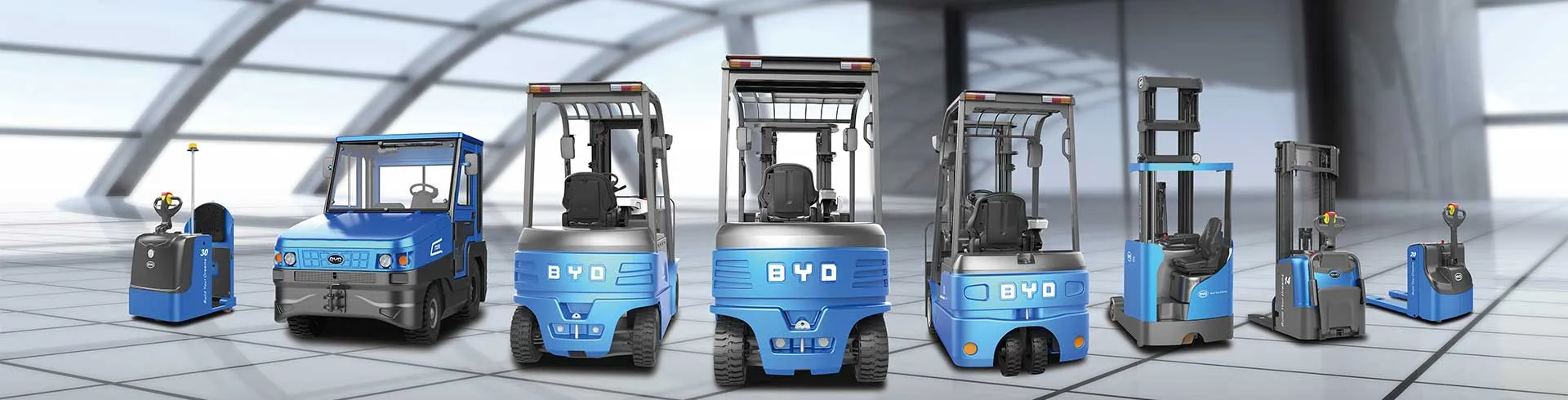
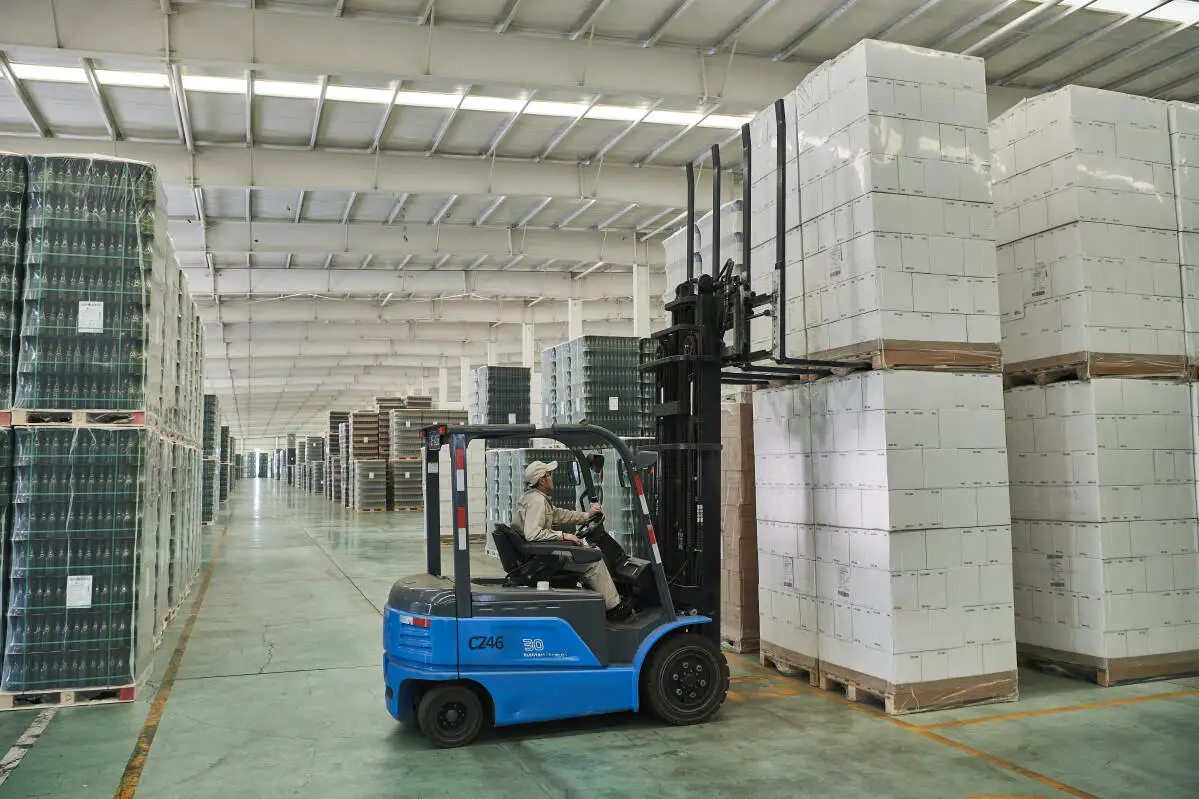
The power core of an electric forklift is the battery. Correct control of the replacement cycle and daily maintenance can effectively prolong the battery life and reduce long-term operating costs.
Reasonable replacement of lithium battery forklift, the first thing to pay attention to is the cycle life parameters. Generally, the standard full charge and discharge cycle of regular products is about 2,000 to 4,000 times. The full charge and discharge here refers to the battery power from 100 to zero and then fully charged. In actual use, it is rarely fully discharged, and most of them are replenished when the power is remaining 20 to 30. This shallow charge and shallow discharge method will prolong the actual cycle number. In addition, it depends on the attenuation of the battery. When the actual capacity of the battery is lower than 70 to 80 of the rated capacity, it is necessary to consider replacement, because the battery life will drop significantly at this time, which cannot meet the daily operation needs.
There are several key points for saving money in daily maintenance. The first is to reasonably control the timing and duration of charging. Don't wait until the power is completely exhausted before charging. The remaining twenty to thirty can be replenished. Don't overcharge. Unplug the charger in time after it is fully charged normally to avoid damage to the battery cells after the floating charge time is too long. The second is to clean the battery compartment and battery surface. Wipe it with a dry soft cloth regularly to prevent dust and oil stains from accumulating and avoid short circuits or poor heat dissipation. The third is to maintain a suitable operating environment temperature. The best operating temperature for lithium batteries is between fifteen and thirty-five degrees Celsius. If the ambient temperature is too high or too low, it will affect the battery performance and shorten the life. In summer, avoid exposing the battery to the sun. In winter, it can be properly preheated before use. The fourth is to avoid overloading operations, which can cause the battery discharge current to be too large, accelerate battery aging, and increase losses.
In daily operations, it is possible to determine whether the battery needs to be replaced in advance through several small details, such as a significant reduction in battery life under the same operating intensity, a much longer charging time than before, and abnormal heating during battery charging. Check in time after these situations occur, and replace the battery if necessary to avoid affecting the operation efficiency.