简体中文
简体中文 Deutsch
 日本語
日本語 한국어
한국어 Tiếng Việt
 Русский
 ไทย
ไทย Bahasa Indonesia
 Bahasa Melayu
 Filipino
 لالعربية
 Français
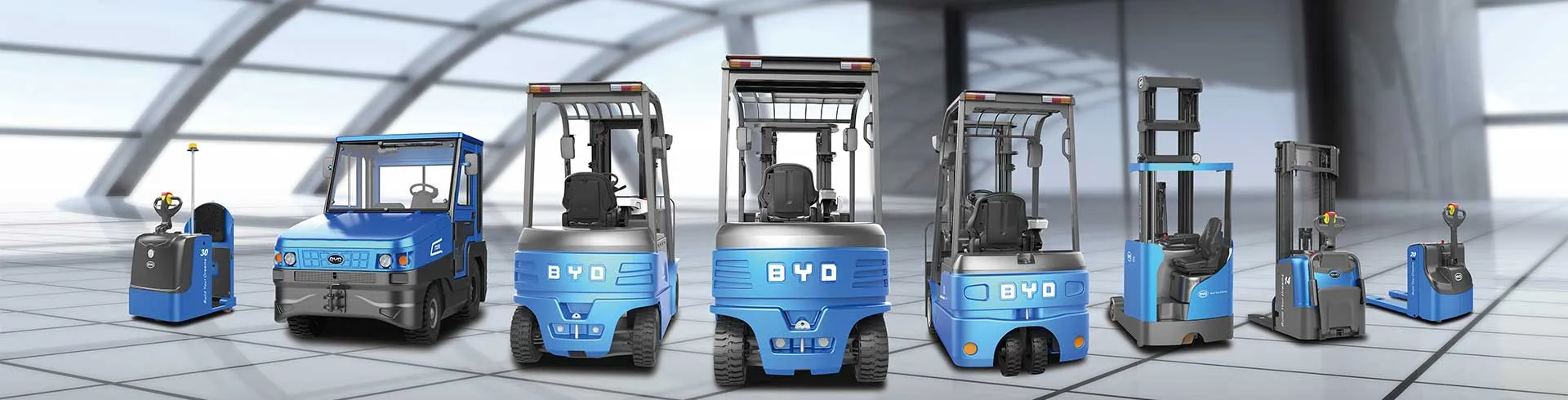
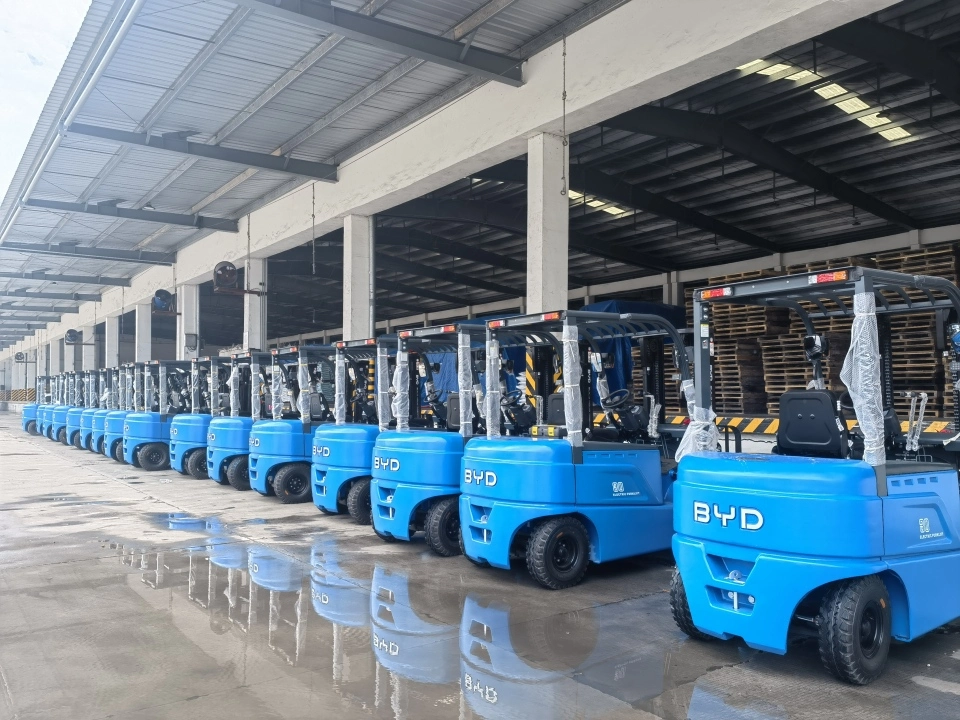
In the field of automobile manufacturing, the logistics links such as parts handling and vehicle transshipment in the workshop have high performance requirements for forklift equipment. With the popularization of green manufacturing concepts and the adjustment of energy structure, lithium-ion forklifts have gradually become the mainstream logistics equipment in automobile manufacturing workshops due to their environmental protection and high efficiency. In the scenarios of heavy-duty handling and long-shift continuous operation, the technical adaptability and reliability of lithium-ion forklifts directly affect the production efficiency and cost control of the workshop.
The operating environment and logistics requirements of the automobile manufacturing workshop have distinct characteristics. The workshop involves the handling of large parts such as body frames, engine assemblies, and chassis components. The weight of a single batch of goods can reach several tons to tens of tons, and the handling frequency is high and the route is complicated. At the same time, the production plan often requires the forklift equipment to achieve multi-shift continuous operation, and the working time in a single day is generally more than 8 hours. Strict requirements are placed on the endurance, power stability and maintenance convenience of the equipment. Although traditional fuel forklifts can meet the needs of heavy loads, they have problems such as exhaust emission pollution, noise interference and high fuel costs, which are difficult to meet the environmental protection and energy saving needs of modern workshops.
In the case of heavy-duty operation, the power system of the lithium-ion forklift needs to have high torque output and strong load-bearing capacity. By using a high-power density permanent magnet synchronous motor, the short-term overload capacity enhancement can be achieved by more than 30%. With the optimized transmission ratio design, it is guaranteed to maintain a stable operating speed under full load conditions. The battery system as the core support needs to have high energy density characteristics. The lithium iron phosphate battery or ternary lithium battery combination scheme is used. Through a reasonable battery PACK structure design, a larger capacity can be achieved in a limited volume to meet the energy requirements of a single heavy-duty operation. In addition, the heat dissipation and protection design under heavy load conditions are equally critical. The use of a liquid-cooled heat dissipation system and an IP54 dust-proof and waterproof structure can effectively cope with complex environments such as oil and dust in the workshop, reducing the failure rate of equipment.
Long-shift continuous operation puts forward higher requirements for the battery life and reliability of lithium-ion forklifts. The collaboration between large-capacity battery packs and intelligent management systems is the core of solving this problem. By configuring a large-capacity battery module of more than 100Ah, combined with real-time voltage, temperature monitoring and balance management technology of BMS (battery management system), the battery pack can achieve stable power output during 8 hours of continuous operation, and avoid midway downtime caused by battery attenuation. The quick replenishment scheme is equally important. Lithium-ion forklifts that support 40-minute fast charging technology can complete 30% -50% of the power replenishment during lunch breaks or shifts, effectively improving the single-day operation time. In addition, the electrical connection between the battery and the vehicle is designed with redundancy, and the key lines are arranged with dual loops to reduce the risk of single-point failure and ensure that the equipment remains more than 95% available during long-term operation.
In the comprehensive application of automobile manufacturing workshops, the advantages of lithium-ion forklifts are also reflected in many aspects. From the perspective of environmental benefits, the characteristics of zero emissions and low noise can significantly improve the air quality of the workshop and reduce the health impact on operators; from the perspective of maintenance costs, the fuel system maintenance and exhaust treatment are omitted, and the average annual maintenance cost is reduced by more than 40%; from the perspective of long-term benefits, the battery cycle life can reach more than 2,000 times, and the comprehensive use cost is 25% -35% lower than that of fuel forklifts.
With the development of intelligent manufacturing technology, lithium-ion forklifts are being upgraded in the direction of intelligence. Through the networking monitoring of equipment equipped with Internet of Things technology implementation, forklift location, power, running status and other data can be grasped in real time, providing data support for workshop logistics scheduling; combined with AGV navigation technology, unmanned automatic handling can be realized, further improving the operation accuracy and efficiency. In the future, higher energy density solid-state batteries and smarter energy recovery systems will continue to promote the application breakthrough of lithium-ion forklifts in heavy-duty and long-shift operation scenarios, providing strong support for the green and intelligent transformation of automobile manufacturing workshops.