简体中文
简体中文 Deutsch
 日本語
日本語 한국어
한국어 Tiếng Việt
 Русский
 ไทย
ไทย Bahasa Indonesia
 Bahasa Melayu
 Filipino
 لالعربية
 Français
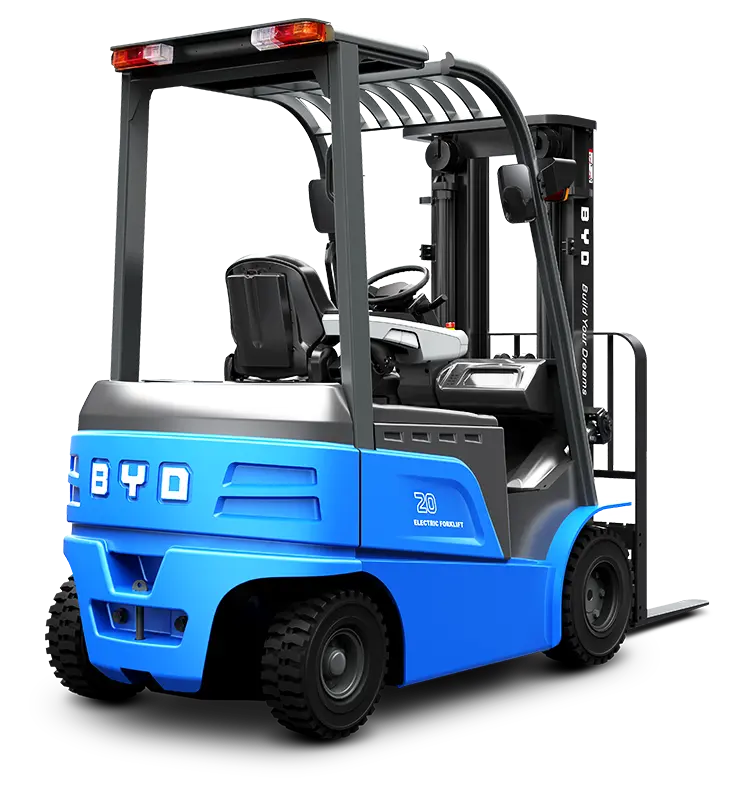
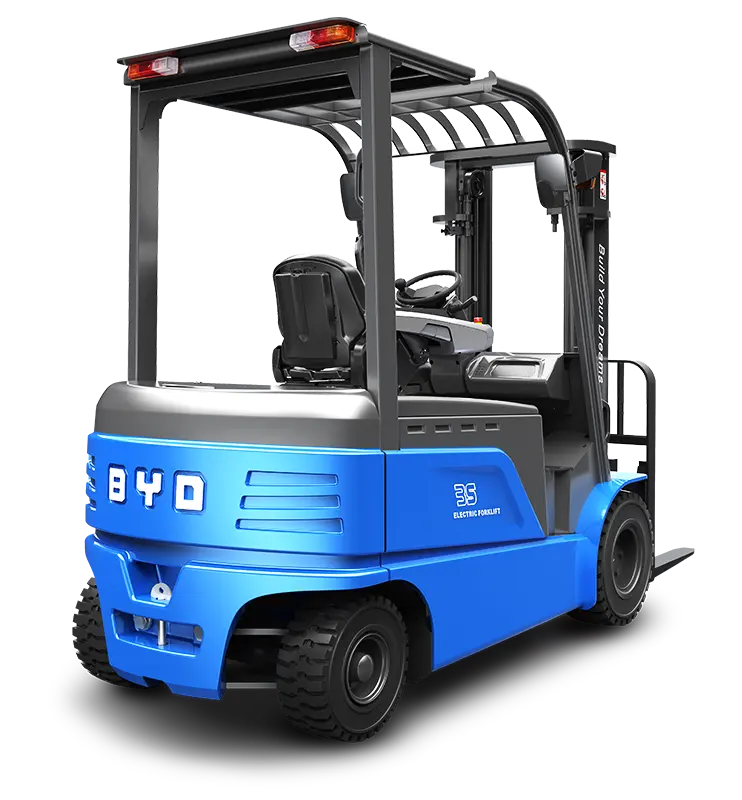
In warehousing operations, 3-ton forklifts are the core handling equipment used at high frequencies. Choosing the right model for different operating scenarios can not only improve the efficiency of cargo turnover, but also reduce long-term operation and maintenance costs and avoid unnecessary waste of resources.
Determine basic parameters based on site conditions
First look at the traffic and working space. If the channel width in the warehouse is narrow and the stacking height requirements are high, the model with a more compact body and suitable lifting height should be preferred to avoid turning scratches and insufficient lifting height. If the warehouse floor has special pavements such as epoxy floor, the model with softer wheel surface material and good skid resistance should be preferred to reduce wear and tear on the ground.
Secondly, pay attention to the slope of the site. If there are loading and unloading ramps and multi-layer transfer ramps in the storage area, it is necessary to give priority to models with sufficient power reserve and stable braking performance to avoid safety hazards such as insufficient power and rolling cars during ramp operations.
Refine the selection according to the functional requirements of the operation
First, clarify the core operation purpose. If short-distance flat-layer handling and shelf palletizing are the main daily tasks, you can choose models that focus on lifting stability and operation flexibility. If you need to frequently do long-distance transshipment across regions, you can choose models with stronger endurance and higher driving comfort to reduce operator fatigue.
Secondly, consider the adaptation of special operating environments. If warehousing involves special scenarios such as cold chain cold storage and storage of flammable and explosive goods, it is necessary to choose a special model that meets the environmental use standards, and cannot be replaced by ordinary models to avoid safety risks.
Combined with long-term use requirements for final screening
Priority is given to selecting models with sufficient supply of follow-up maintenance parts and energy consumption levels in line with expectations. At the same time, you can combine your own operating frequency to confirm whether the rated load redundancy of the vehicle meets the needs of daily heavy-duty operations, and avoid long-term full-load operation to shorten the service life of the vehicle. Before selecting the model, you can also do an actual scene test drive to confirm whether the operating feel and response speed of the vehicle are suitable for your own operating rhythm.