简体中文
简体中文 Deutsch
 日本語
日本語 한국어
한국어 Tiếng Việt
 Русский
 ไทย
ไทย Bahasa Indonesia
 Bahasa Melayu
 Filipino
 لالعربية
 Français
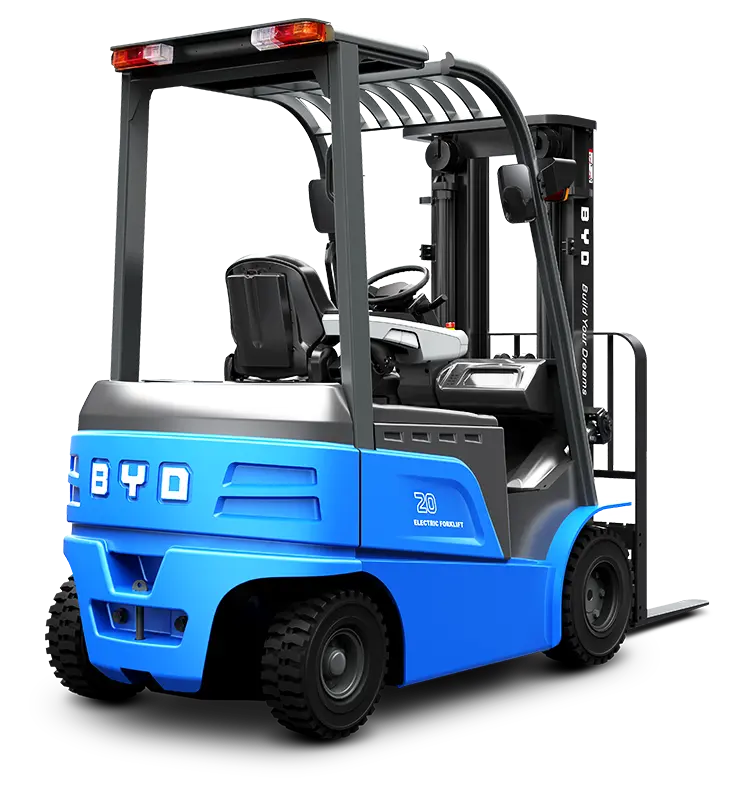
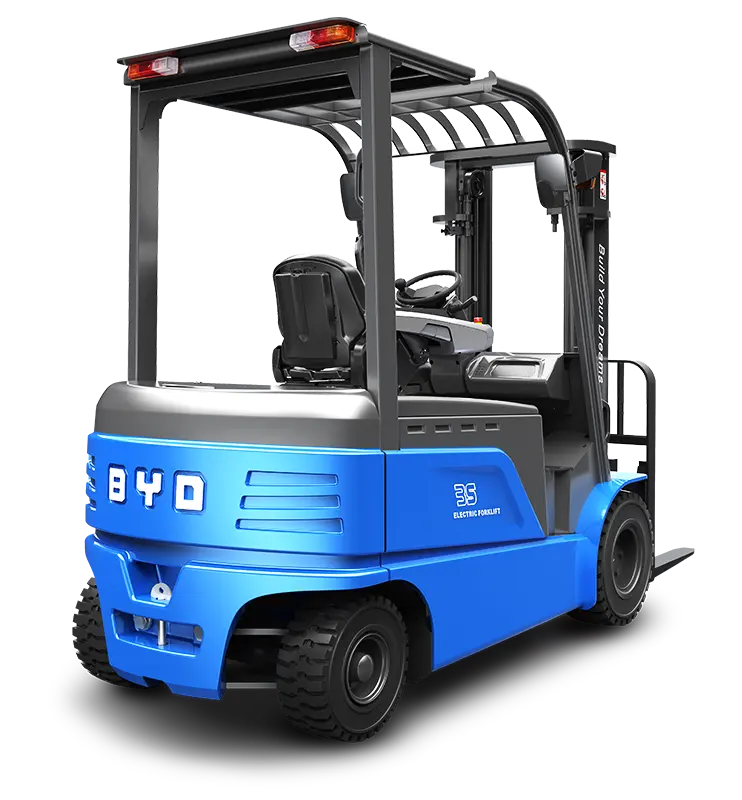
The material flow in the food production workshop involves the finished products of raw materials working in progress, and the cleanliness and dustproof compliance of the equipment is the core consideration. Medium-sized material transfer, such as the whole tray of rice noodles packaged food, often needs to be adapted to the corresponding tonnage of handling tools.
The first requirement for handling equipment in the food workshop is to comply with relevant health and safety regulations. The parts that come into contact with food or packaging should be made of materials that are easy to wipe and do not accumulate dust and corrosive to avoid residue or pollution. Secondly, dustproof and waterproof performance. Some production environments such as flour processing areas have dust or moisture in the baking cooling area. The handling equipment needs to have a good sealing design to reduce the accumulation of dust and moisture in the internal components. In addition, power adaptation, medium-sized pallets commonly use 2.5 tons to 4 tons of load-bearing requirements, and 3.5 tons of models cover a wide range. At the same time, the power source should avoid the risk of leakage. The leakage hazard of traditional lead-acid batteries is not suitable for food workshops. Lithium batteries have gradually become the mainstream choice.
The carrying capacity of the 3.5-ton lithium iron phosphate forklift can meet the transshipment needs of most whole pallets of food raw materials working in progress, and the commonly used stacking height can also be adapted to the conventional shelves of the food workshop. The turning radius of this type of model is relatively small, which is suitable for the narrow channel layout that may exist in the food workshop. The dynamic response is relatively smooth, which can reduce the shaking of fragile food or packaging during handling. The lithium iron phosphate battery itself has no risk of liquid leakage, and does not require daily liquid maintenance, which can reduce the hidden health hazards caused by the maintenance process. In terms of battery life performance, it can meet the needs of day shift or even some double shifts under reasonable scheduling, support the characteristics of charging and use, and can also cope with temporary handling increments.
After daily use, it is necessary to clean the body in time. Use a neutral cleaner to wipe the parts that are prone to dust accumulation. Avoid directly flushing the motor battery compartment and other key components with water. Regularly check the status of the body sealing parts. If there is any damage, replace it in time to prevent dust and moisture from entering. You can simply check the tire forks and other parts before use to ensure the normal operation of the equipment.