简体中文
简体中文 Deutsch
 日本語
日本語 한국어
한국어 Tiếng Việt
 Русский
 ไทย
ไทย Bahasa Indonesia
 Bahasa Melayu
 Filipino
 لالعربية
 Français
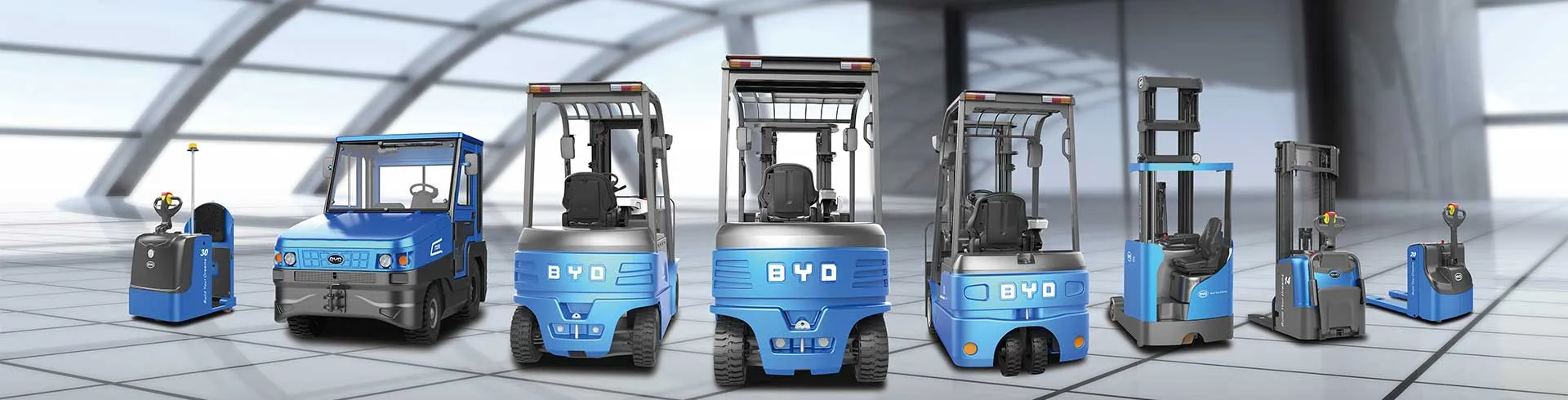
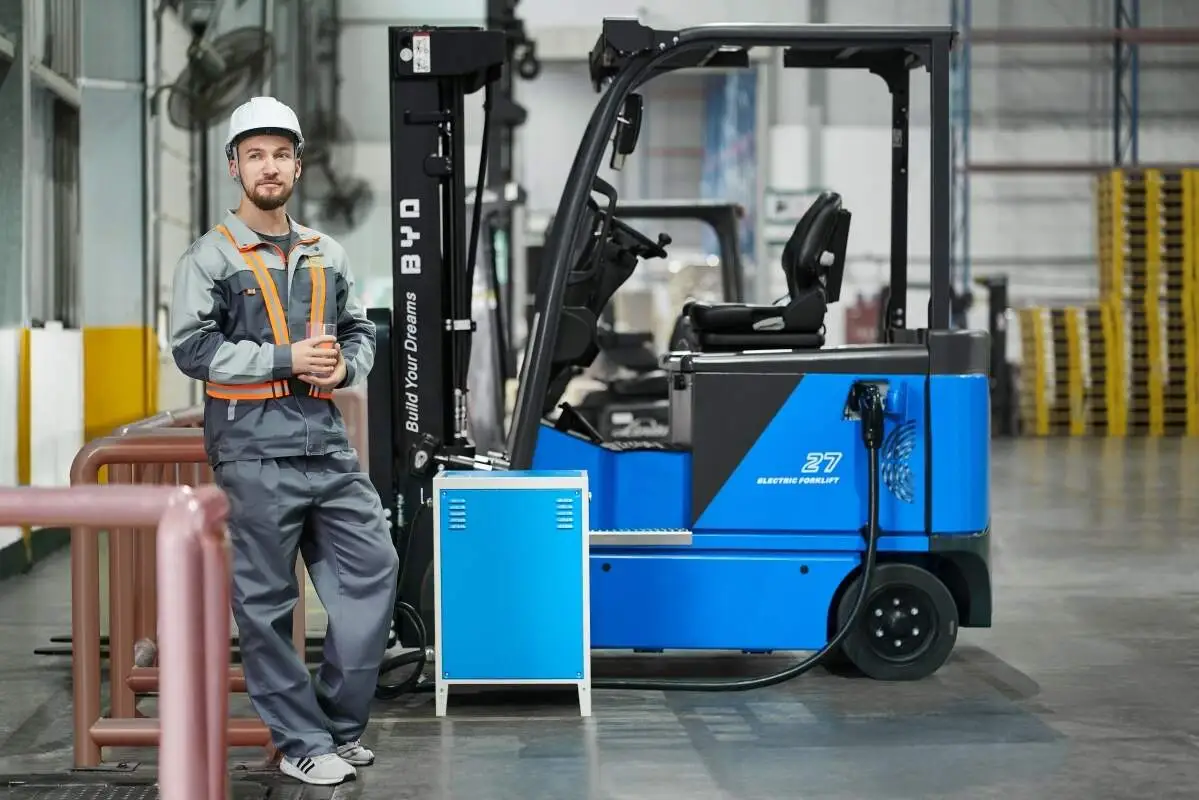
E-commerce logistics warehousing is the core node of cargo turnover, and vehicle selection directly affects operation efficiency and cost. As a practitioner in the field of electric forklifts, I have observed that in the past two years, many small and medium-sized e-commerce warehouses and large front warehouses will use 1.5-ton lithium batteries as the main alternative. Today, we will start from the perspective of vehicle selection, and then talk about the daily operation details we have seen in recent visits to multiple e-commerce warehouses.
Why do many e-commerce logistics warehouses choose forklifts that prioritize 1.5-ton lithium-ion models? First of all, it is necessary to mention its operation scenario adaptability. The goods in the e-commerce warehouse are mostly small and medium-sized, and the total weight stacked on the pallet is generally between 0.8 tons and 1.4 tons. The rated load of 1.5 tons just covers the demand, so there will be no problem of insufficient load, and it will not increase the procurement and storage space occupation due to the choice of larger tonnage. In addition, the passage of the e-commerce warehouse is generally relatively narrow, and most of the 1.5-ton electric forklifts have a small turning radius, which can be flexibly turned and stacked in a channel of about 2.5 meters. It is very friendly for storage space with an inch of land.
Then there is the consideration of operating costs. The lithium battery electric forklift does not need to reserve a special charging and water filling area like the lead-acid model, and the charging speed is relatively fast. Fast charging for two or three hours can support most of the work for half a day. Slow charging overnight can basically cover the needs of two or three shifts the next day. It does not need to be equipped with a spare battery pack, which can save some equipment and space costs. Moreover, lithium batteries generally have a long service life, and daily maintenance is relatively simple. There is no need to regularly replenish water and clean electrodes like lead-acid batteries, which can reduce manual maintenance costs.
Next, let's talk about the daily operation details of the 1.5-ton lithium-ion forklift I recently visited, which is what everyone often calls the "real point" practical observation. The first is the warehousing tally process, where the large truck is parked at the door of the warehouse and the pallet is transported to the warehouse by the truck. After the pallet is transported to the warehouse, the 1.5-ton lithium-ion forklift will quickly connect and transport the pallet to the corresponding acceptance area or the area to be put on the shelf. This link requires the vehicle to start smoothly and steer accurately to avoid the small and medium-sized parts on the pallet being scattered. Many 1.5-ton lithium-ion models can do this.
Then there is the replenishment link in the picking and stocking area. The picking and stocking area of the e-commerce warehouse is generally relatively close to the outbound area, with a shelf height between 3 meters and 6 meters. The lifting height of the 1.5-ton lithium-ion forklift can basically cover this range, and the lifting speed is also relatively moderate, which can quickly replenish the goods on the upper shelf to the lower picking position. This link should also pay attention to the noise control of the vehicle to avoid affecting the work of the picker. Most lithium-ion electric forklifts have relatively low noise.
Finally, there is the short barge stacking process before outbound loading. The orders completed by picking the goods will be packaged into pallets, and the 1.5-ton lithium-ion forklift will transport these pallets to the outbound temporary storage area for temporary stacking according to the number of trains and destination, which is convenient for subsequent loading. This link requires the vehicle's braking system to be sensitive to avoid collisions in the temporary storage area.