简体中文
简体中文 Deutsch
 日本語
日本語 한국어
한국어 Tiếng Việt
 Русский
 ไทย
ไทย Bahasa Indonesia
 Bahasa Melayu
 Filipino
 لالعربية
 Français
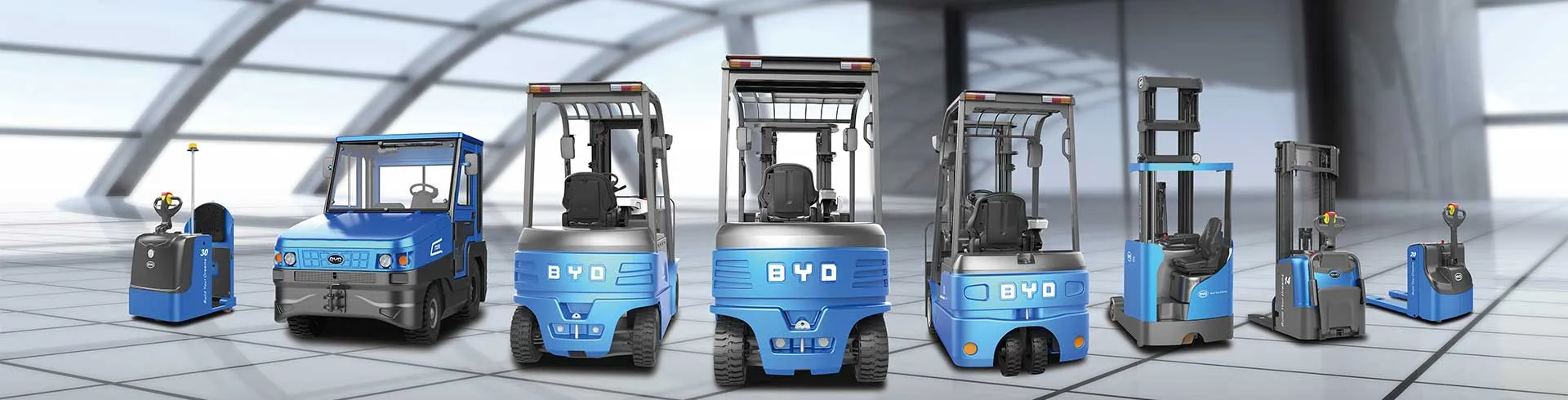
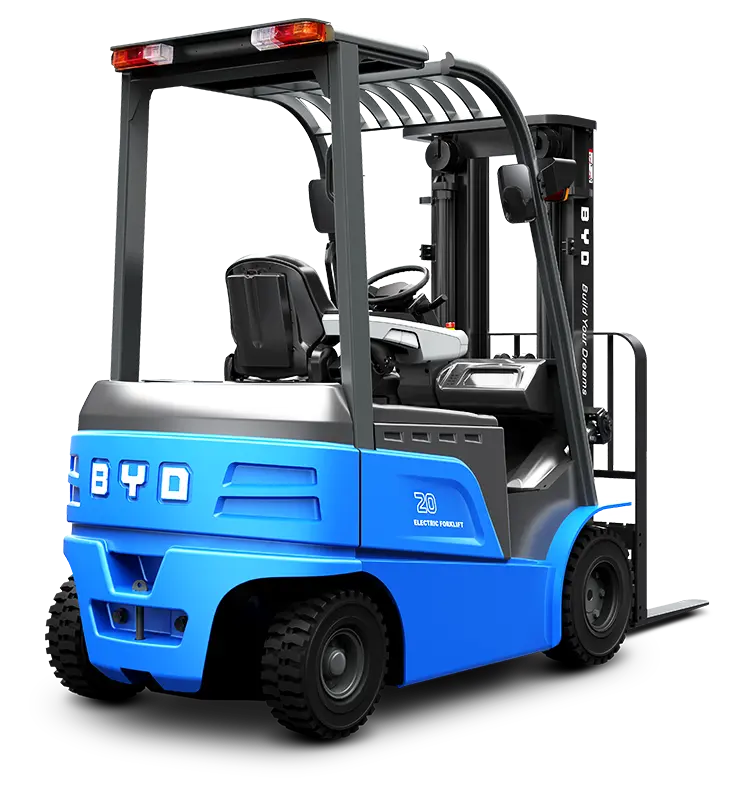
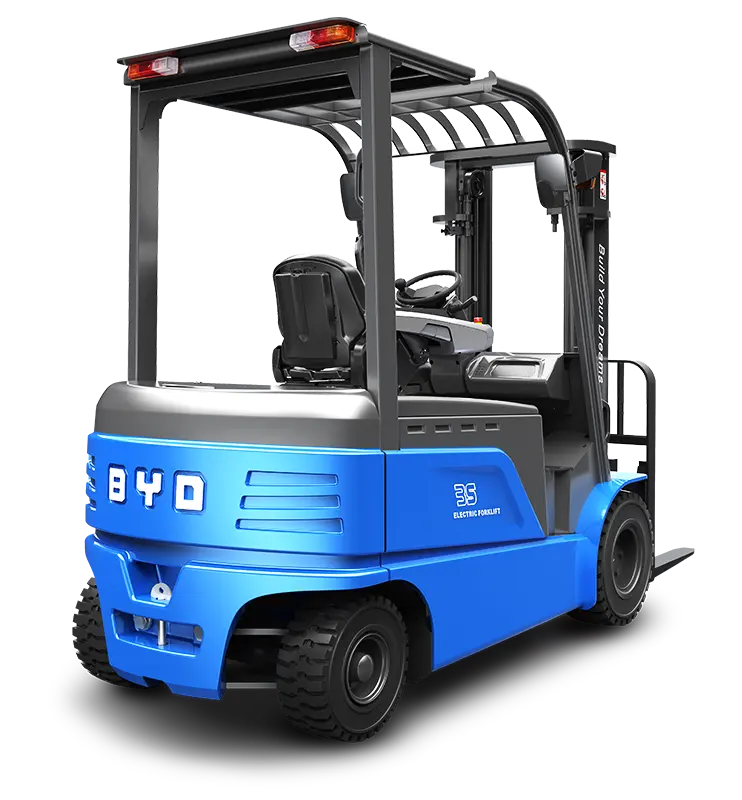
In industrial warehousing and special operation scenarios, explosion-proof forklifts are an important equipment to ensure the safety of operations. With the development of battery technology, lithium-ion explosion-proof forklifts have gradually become the focus of the market. Compared with traditional lead-acid explosion-proof forklifts, there are multi-dimensional differences between the two.
Differences in battery life and charging efficiency
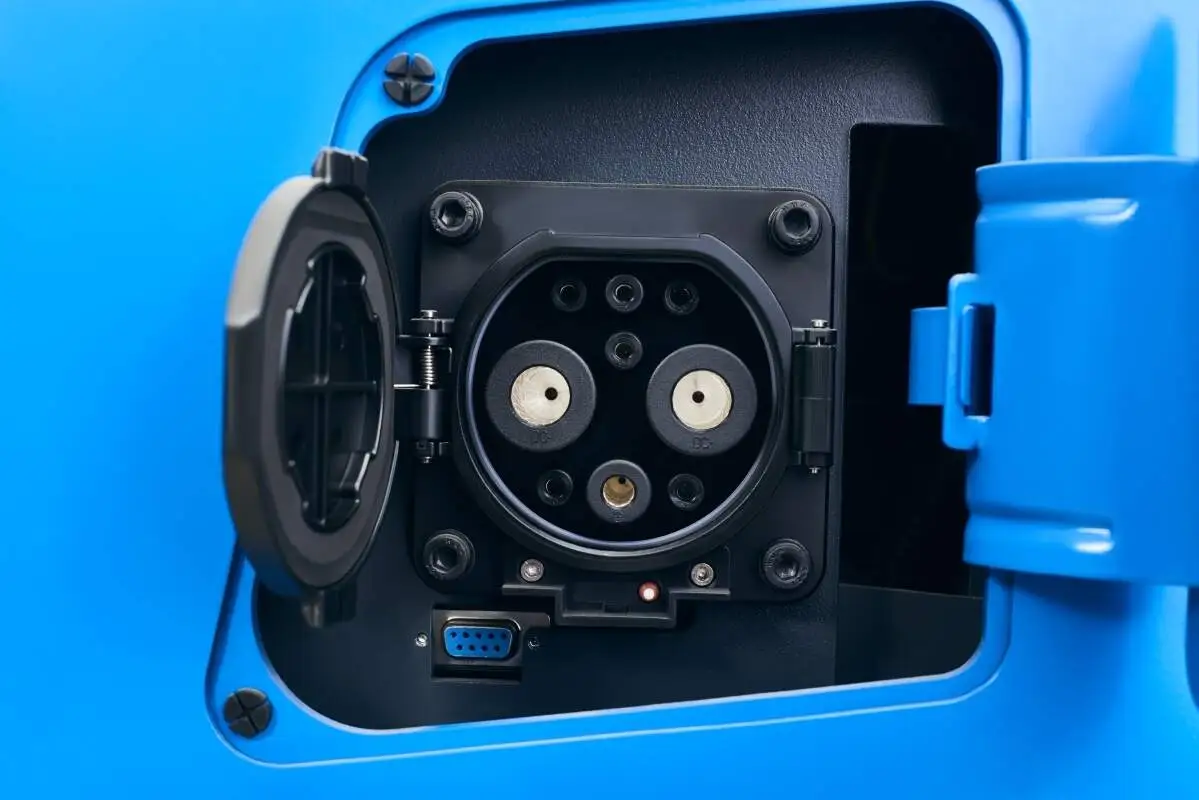
Lithium battery explosion-proof forklifts use lithium power batteries, which have high charging efficiency. They can usually be charged quickly in a few hours, and the battery life is relatively stable. They are less affected by the ambient temperature, which can meet the needs of long-term continuous operation. Traditional lead-acid explosion-proof forklifts have a long charging cycle, often taking more than ten hours to be fully charged, and the battery life will be significantly attenuated in low temperature environments, making it difficult to adapt to high-frequency operation scenarios.
Maintenance cost and cycle variance
The battery of a traditional lead-acid explosion-proof forklift needs regular maintenance operations such as electrolyte replenishment and terminal cleaning. The maintenance cycle is short, and the cumulative maintenance cost is high in the long run. The maintenance process requires professional operation, which consumes time and energy. The battery of a lithium-battery explosion-proof forklift does not need frequent maintenance, only needs to check the battery status regularly. The maintenance cycle is long, and the overall maintenance cost is lower, which can reduce the operation and maintenance investment for the enterprise.
Environmental protection and safety differences
The batteries of lead-acid explosion-proof forklifts contain lead and other heavy metals, which pose certain environmental risks in production, use and scrapping. If not handled properly, it is easy to cause pollution. The battery composition of lithium-battery explosion-proof forklifts is more environmentally friendly, and it is more recyclable after scrapping. At the safety level, lithium-battery explosion-proof forklifts are equipped with an intelligent battery management system, which can monitor the battery status in real time, effectively prevent risks such as overcharge and overdischarge, and the explosion-proof performance is more suitable for the safety needs of complex operation scenarios.
usage scenario adaptation difference
Lithium battery explosion-proof forklifts are relatively light in weight and have fast power response, making them more suitable for use in narrow spaces, high-frequency operations, and low-temperature environments, such as cold chain warehousing, chemical workshops, etc. Traditional lead-acid explosion-proof forklifts are more suitable for scenarios with low operating frequency and low battery life requirements. There is still room for application in some old work sites with low environmental protection requirements.
Overall, lithium-ion explosion-proof forklifts and traditional lead-acid explosion-proof forklifts have their own characteristics in multiple dimensions. When selecting a model, companies can consider factors such as their own operating scenarios, operation and maintenance costs, and environmental protection needs to choose an explosion-proof forklift that is more suitable for their own needs.