简体中文
简体中文 Deutsch
 日本語
日本語 한국어
한국어 Tiếng Việt
 Русский
 ไทย
ไทย Bahasa Indonesia
 Bahasa Melayu
 Filipino
 لالعربية
 Français
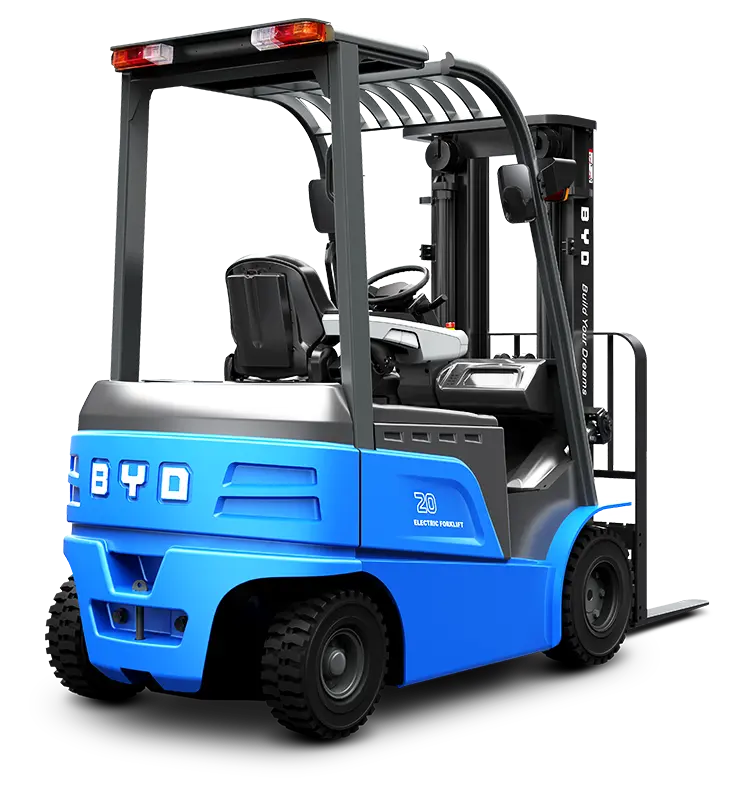
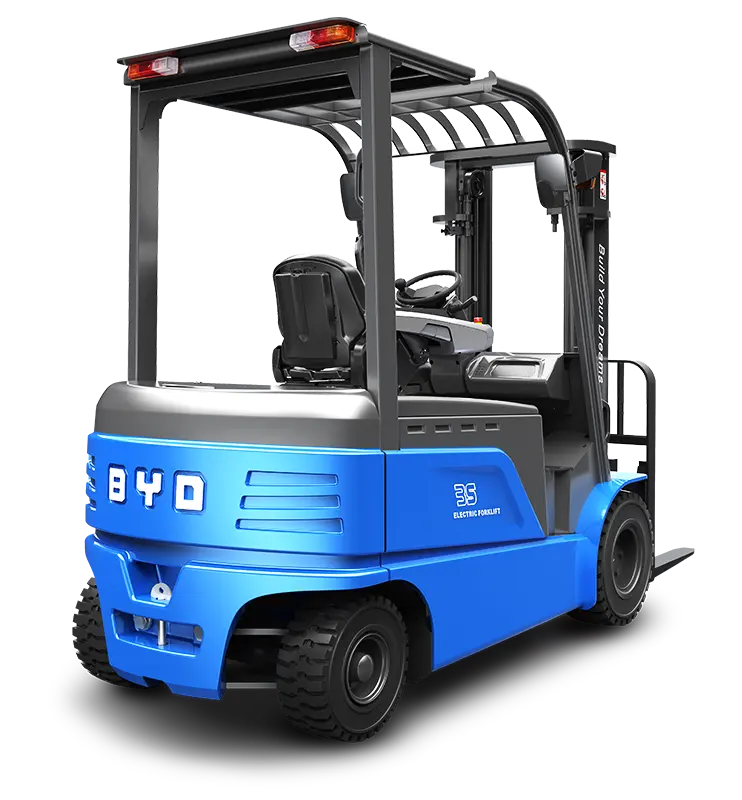
In the chemical industry, warehousing, and other scenarios with flammable and explosive risks, explosion-proof forklifts are the key equipment to ensure the safety of operations. At present, the mainstream types are electric explosion-proof forklifts and internal combustion explosion-proof forklifts, and there are significant differences in performance and application scenarios between the two.
Comparison of core features
Power and environmental attributes
Electric explosion-proof forklifts are battery-powered, with zero emissions and low noise during operation. They are suitable for use in closed or semi-closed indoor warehouses and chemical workshops. They will not produce exhaust pollution and can effectively improve the air quality of the working environment. Internal combustion explosion-proof forklifts are fuel-powered, with stronger battery life and no need for frequent charging. They are more suitable for outdoor long-distance operation scenarios, but they will produce exhaust gas during operation, which has a certain impact on the environment.
Explosion-proof performance is emphasized
The explosion-proof design of electric explosion-proof forklifts mainly focuses on the circuit system, through explosion-proof and intrinsically safe treatment of batteries, motors, controllers and other components to avoid danger caused by circuit sparks. Internal combustion explosion-proof forklifts focus on the transformation of the fuel system and exhaust system, using explosion-proof carburetors, flame arresters and other devices to prevent fuel leakage or high exhaust temperature from causing the combustion of flammable and explosive substances.
Maintenance cost variance
The structure of the electric explosion-proof forklift is relatively simple, and the daily maintenance mainly focuses on battery maintenance and circuit inspection. There is no need to replace oil, filter elements and other components frequently, and the long-term maintenance cost is low. The internal combustion explosion-proof forklift needs to replace the fuel filter element and oil regularly, and the maintenance process is more complicated, and the long-term maintenance cost is relatively high.
Selection reference direction
Scene adaptation priority
If the operation scene is mainly indoor closed space, and the requirements for environmental noise and exhaust emissions are strict, electric explosion-proof forklifts are preferred. If the operation scene is mostly outdoor open areas and requires long-term continuous operation, internal combustion explosion-proof forklifts will be a more suitable choice.
Comprehensive evaluation of cost budget
In the initial procurement stage, the battery cost of electric explosion-proof forklifts is higher, and the overall purchase price is usually higher than that of internal combustion explosion-proof forklifts. However, in terms of long-term use, the energy consumption and maintenance costs of electric forklifts are lower, and enterprises can make comprehensive judgments based on their own budget cycles.
Strict compliance with standards
No matter what type of explosion-proof forklift you choose, you need to ensure that it meets the explosion-proof safety standards of your industry, check the equipment's explosion-proof certification qualifications, and avoid safety hazards caused by non-compliant equipment.