简体中文
简体中文 Deutsch
 日本語
日本語 한국어
한국어 Tiếng Việt
 Русский
 ไทย
ไทย Bahasa Indonesia
 Bahasa Melayu
 Filipino
 لالعربية
 Français
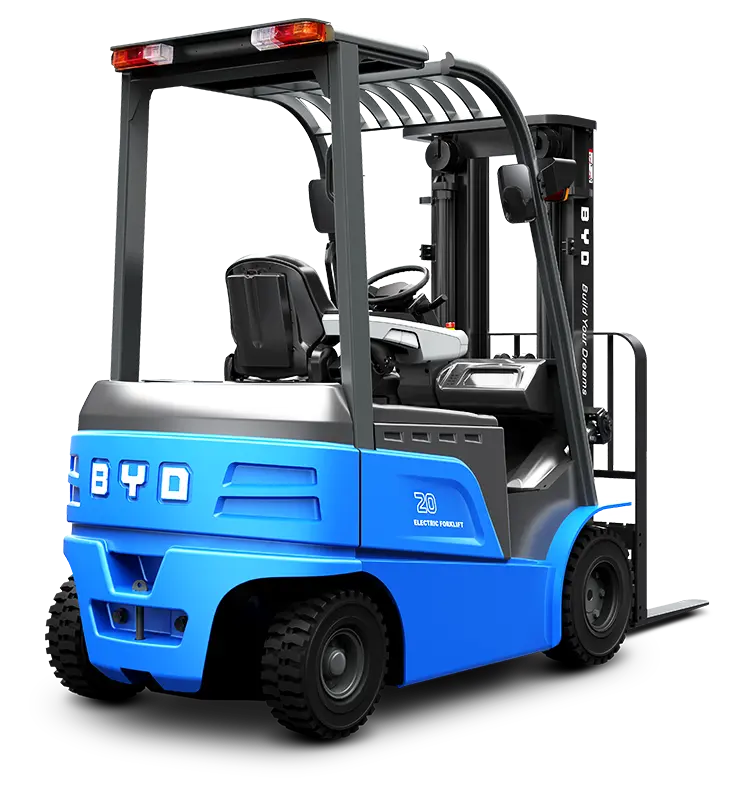
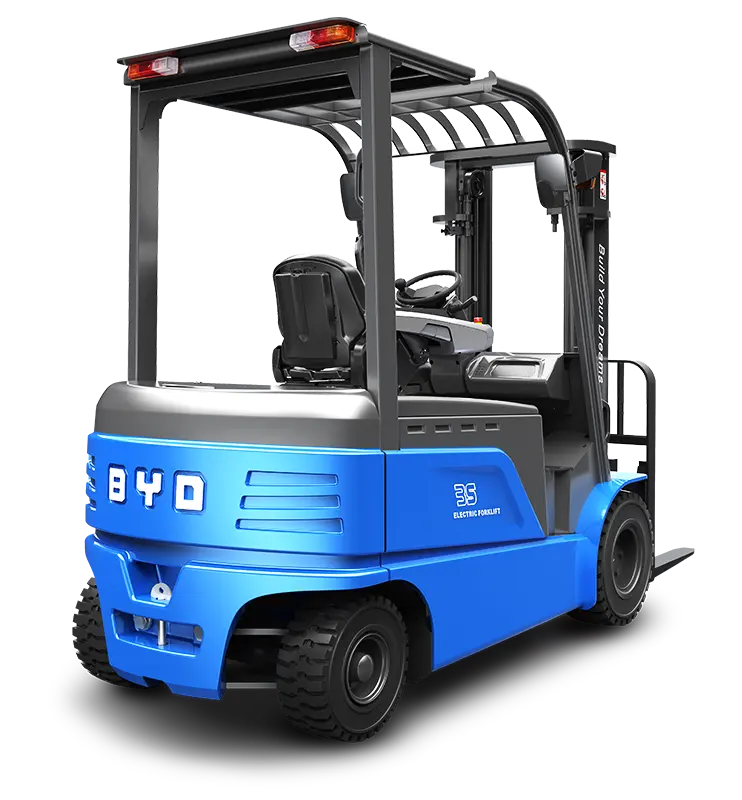
In the field of industrial logistics handling, electric forklifts have become the main equipment due to their environmentally friendly and efficient characteristics, and the core technical parameters directly determine the applicable scenarios and operating efficiency of the equipment. Today, we will analyze the key technical parameters such as load, size and turning radius of the BYD P20JW electric forklift in depth.
Detailed explanation of core load parameters
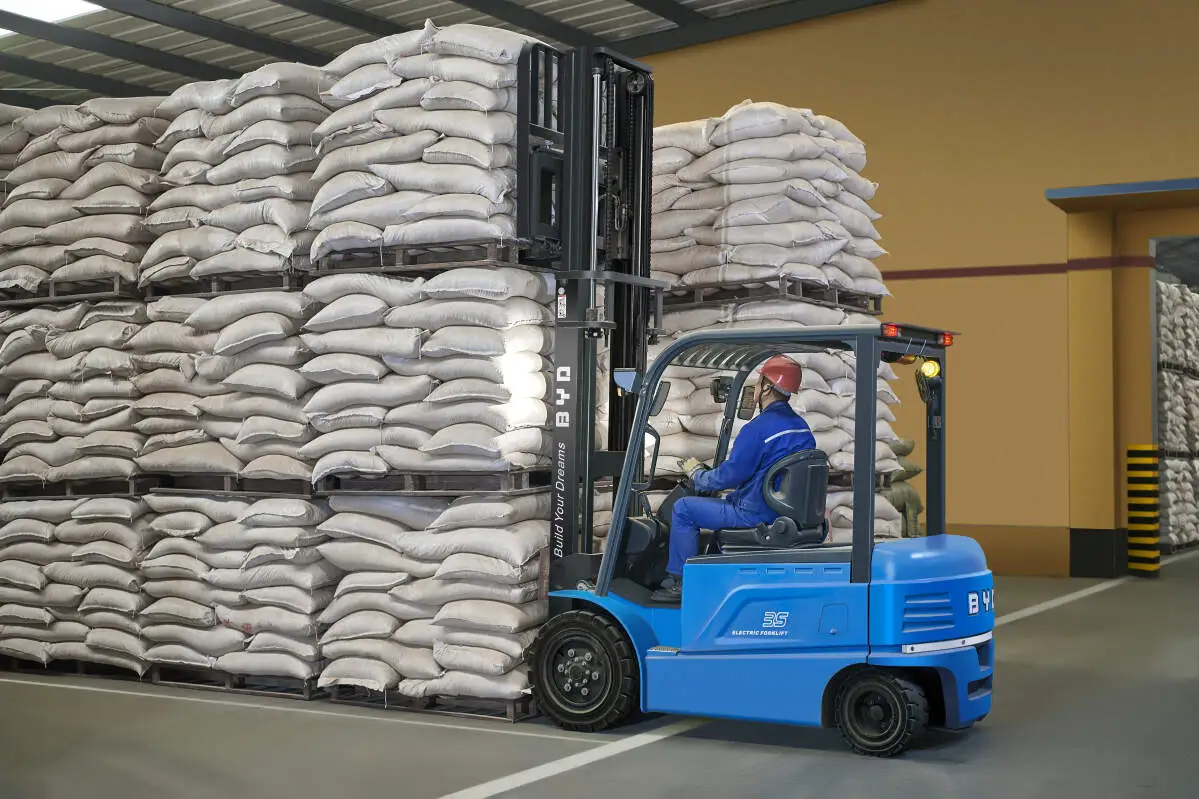
The rated load is one of the core performance indicators of an electric forklift. The rated load of the BYD P20JW is 2 tons. This parameter refers to the maximum cargo weight that the forklift can carry stably under standard operating conditions. The standard working conditions here cover flat and dry working ground, conventional ambient temperature and standard operation mode. In actual operation, if you encounter special scenarios such as ramps and slippery ground, you need to reduce the load appropriately to avoid affecting the handling stability and driving safety of the forklift due to excessive load. At the same time, when handling goods, users need to ensure that the weight of the goods is within the rated load range to ensure the safety of the operation process and the service life of the equipment.
Analysis of body size parameters
The size of the body is directly related to the suitability of the electric forklift in different working spaces. The total length of the body (including the fork) of the BYD P20JW is about 3200 mm, the width of the body is about 1200 mm, and the maximum lifting height of the standard gantry is about 3000 mm. The compact body width allows it to pass smoothly in the narrow aisles of most small and medium-sized warehouses, while the reasonable total length design takes into account the balance and stability of cargo handling. The lifting height of the gantry determines the maximum number of layers that the forklift can stack goods. The lifting height of 3000 mm can meet the cargo storage needs of most conventional shelves, and is suitable for cargo stacking operations in small and medium-sized warehouses.
Analysis of turning radius technology
The turning radius is a key parameter to measure the ability of an electric forklift to operate in a confined space. The minimum turning radius of the BYD P20JW is about 1500 mm. The minimum turning radius refers to the track radius formed by the center of the steering wheel on the outside of the vehicle when the forklift is driving at low speed and the steering wheel turns to the extreme position. The smaller this parameter is, the stronger the steering flexibility of the forklift in a confined space. In warehouse operations, the width of the aisle needs to be greater than the sum of the minimum turning radius of the forklift and the width of the body to ensure the smooth completion of steering, U-turns and other operations of the forklift to avoid collisions with shelves and goods. When planning the operation site, users can refer to this parameter to reasonably design the aisle width to improve space utilization and operation efficiency.
Overall, the load, size and turning radius parameters of BYD P20JW electric forklift are suitable for the handling needs of most small and medium-sized warehouses and production workshops. When selecting equipment, users need to refer to these core technical parameters to match according to the actual conditions such as the size of their own work site, the weight and volume of daily handling goods, etc., so as to achieve efficient and safe logistics handling operations.