
 简体中文
简体中文 Deutsch
 日本語
日本語 한국어
한국어 Tiếng Việt
 Русский
 ไทย
ไทย Bahasa Indonesia
 Bahasa Melayu
 Filipino
 لالعربية
 Français
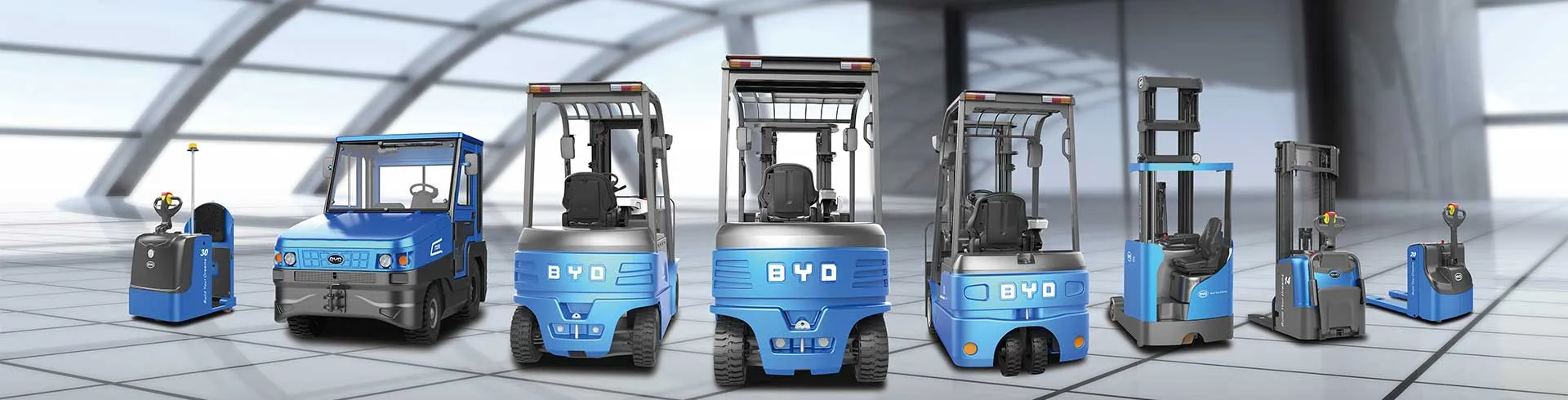
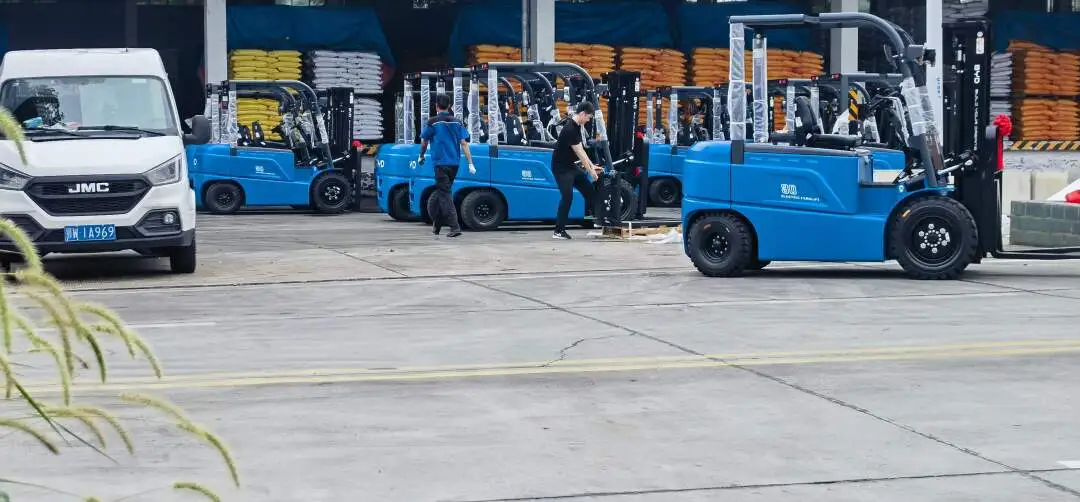
Electric forklifts and diesel forklifts are the core equipment in industrial handling operations, and the difference in cost is a key reference indicator for enterprise selection. Differences in energy consumption, maintenance and compliance directly affect the input-output ratio of the whole life cycle of the equipment, which needs to be rationally analyzed in combination with actual operation scenarios.
energy cost comparison
Energy consumption is the core component of the cost of using a forklift. Electric forklifts rely on electric energy to drive, and the energy conversion efficiency is higher. Under the same operating intensity, the energy consumption cost per unit time is only one-third to one-half of that of a diesel forklift, and the electricity price fluctuates little, and the cost stability is strong. Diesel forklifts rely on fuel to drive, and changes in oil prices directly affect costs. At the same time, fuel combustion is not completely easy to cause energy consumption loss, and fuel optimizers need to be added regularly to increase hidden costs.
Maintenance cost comparison
The structure of the electric forklift is relatively streamlined, the number of mechanical parts is smaller, and the daily maintenance mainly focuses on the regular inspection of the battery and motor. The maintenance frequency is low and the cost is low. The single maintenance cost is only about one-third of that of the diesel forklift. Diesel forklifts involve complex parts such as engines and oil circuits, and need to replace oil, filter elements and other consumables regularly. The maintenance process is cumbersome, the cost is more than twice that of electric forklifts, and the maintenance time is longer.
Compliance versus hidden costs
Electric forklifts have no exhaust emissions, no need to go through environmental protection procedures such as exhaust gas testing, no compliance risk, and no need to invest in exhaust gas purification equipment, reducing compliance-related expenses. Diesel forklifts are restricted by regional environmental protection policies, and some working conditions need to be equipped with exhaust gas treatment devices. The subsequent operation and maintenance costs increase, and the risk of penalties for substandard exhaust emissions also forms hidden costs.
Life cycle cost analysis
From the perspective of long-term use, the early procurement cost of electric forklifts is slightly higher, but the comprehensive advantages of later use, maintenance and compliance costs are significant, and the whole life cycle cost is lower. Diesel forklifts have low procurement costs, but the subsequent costs are superimposed, and the long-term economy is insufficient. Enterprises need to comprehensively evaluate the use cost of the two types of forklifts based on factors such as operating hours and working conditions scenarios, and choose the appropriate equipment type.


