简体中文
简体中文 Deutsch
 日本語
日本語 한국어
한국어 Tiếng Việt
 Русский
 ไทย
ไทย Bahasa Indonesia
 Bahasa Melayu
 Filipino
 لالعربية
 Français
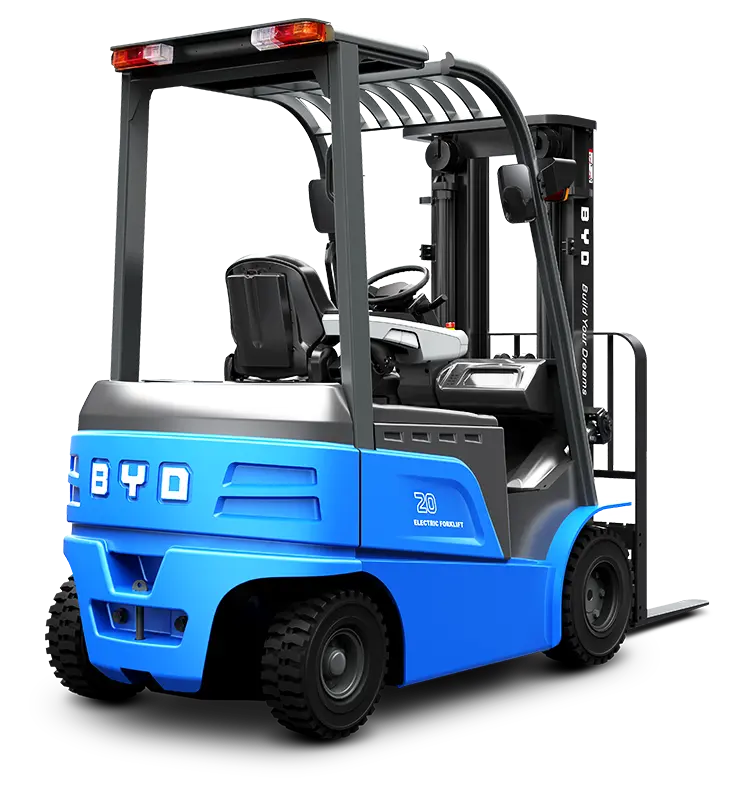
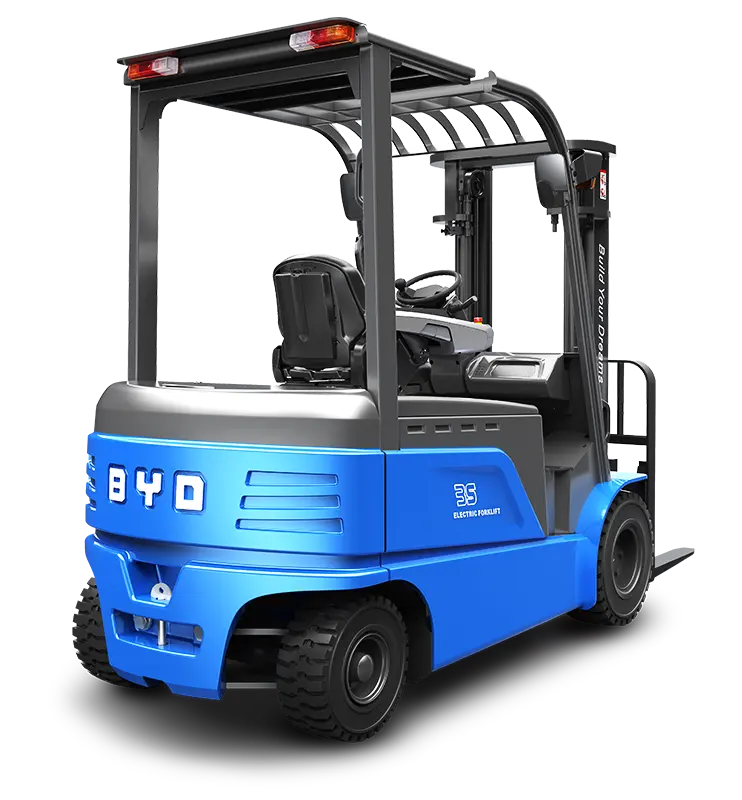
With the rapid development of the cold chain logistics industry, the demand for material handling in cold storage continues to increase. Electric forklifts have become the core handling equipment for cold storage operations due to their advantages of environmental protection, low noise, and convenient operation. For operators, in addition to procurement costs, the level of long-term operating costs is the core reference indicator for selecting forklift products. Among them, energy consumption costs account for a high proportion of operating costs, which is a key dimension.
Core components of operating costs of cold storage electric forklifts
The whole life cycle operating cost of an electric forklift in a cold storage is mainly composed of energy consumption costs, maintenance costs, replacement costs for consumables, and labor costs. The proportion of energy consumption costs can reach 30% to 40% of the total operating costs. The higher the work intensity of the cold storage, the higher the proportion of energy consumption costs. Compared with the ordinary room temperature scenario, the low temperature environment in the cold storage will affect the battery discharge efficiency and vehicle running resistance, further driving up energy consumption expenses. Therefore, the analysis of vehicle energy consumption performance in the cold storage scenario is of great significance for cost control.
Energy Consumption Performance of Electric Forklift in Cold Storage Scenario
Energy consumption fluctuation characteristics in low temperature environment
In a conventional cold storage environment of minus 18 degrees Celsius to minus 25 degrees Celsius, the energy consumption of electric forklifts will be about 15% to 25% higher than that of room temperature scenarios. This difference is mainly due to the decrease in battery activity in low temperature environments and the temperature-controlled energy consumption expenditure of vehicles to ensure the normal operation of components. At present, most of the special electric forklifts suitable for cold storage scenarios have been optimized for battery insulation and power system efficiency, which can control the increase in energy consumption at low temperature within 10%, greatly reducing the additional energy consumption expenditure.
Differences in energy consumption under different operating intensities
According to the standard calculation of 8 hours of daily operation, in the cold storage handling scenario with a load rate of about 60%, the average daily energy consumption of the adapted electric forklift is about 15 to 20 kWh, which is only about one-third of the fuel cost of the internal combustion forklift with the same load. If it is a high-load cold storage with continuous operation, the optimized electric forklift energy consumption performance is more stable, and the cost advantage of long-term operation will be more obvious.
Suggestions for operating cost optimization based on energy performance
When selecting a cold storage electric forklift, the operator can give priority to referring to the measured energy consumption data in the corresponding low temperature scenario, and calculate it in combination with its own operating intensity and load conditions. Don't just refer to the nominal energy consumption parameters in the normal temperature scenario. During use, doing a good job of battery insulation and maintenance of the vehicle and rationally planning the operation route can also further reduce energy consumption and amplify the operating cost advantage of the electric forklift.