简体中文
简体中文 Deutsch
 日本語
日本語 한국어
한국어 Tiếng Việt
 Русский
 ไทย
ไทย Bahasa Indonesia
 Bahasa Melayu
 Filipino
 لالعربية
 Français
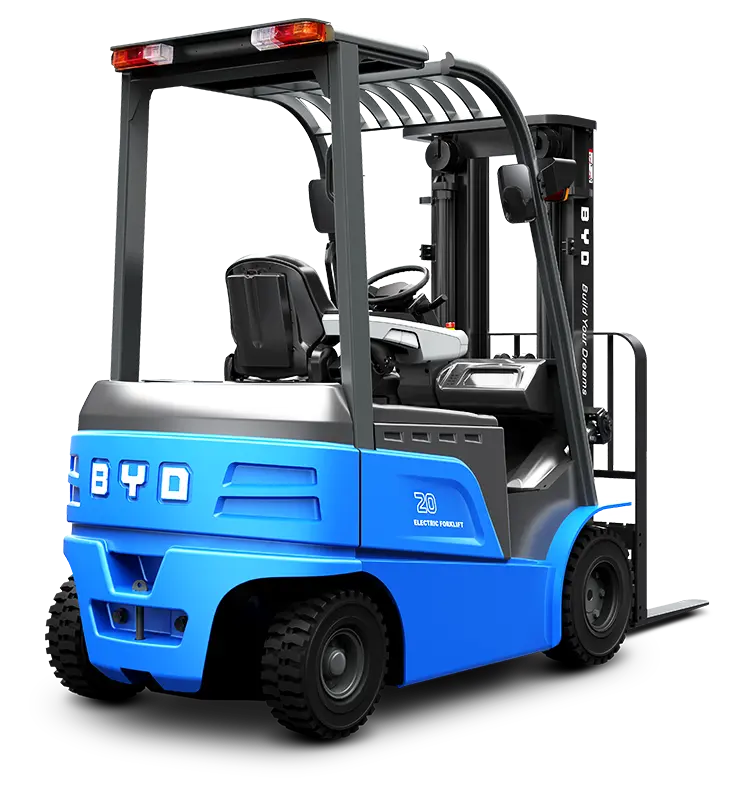
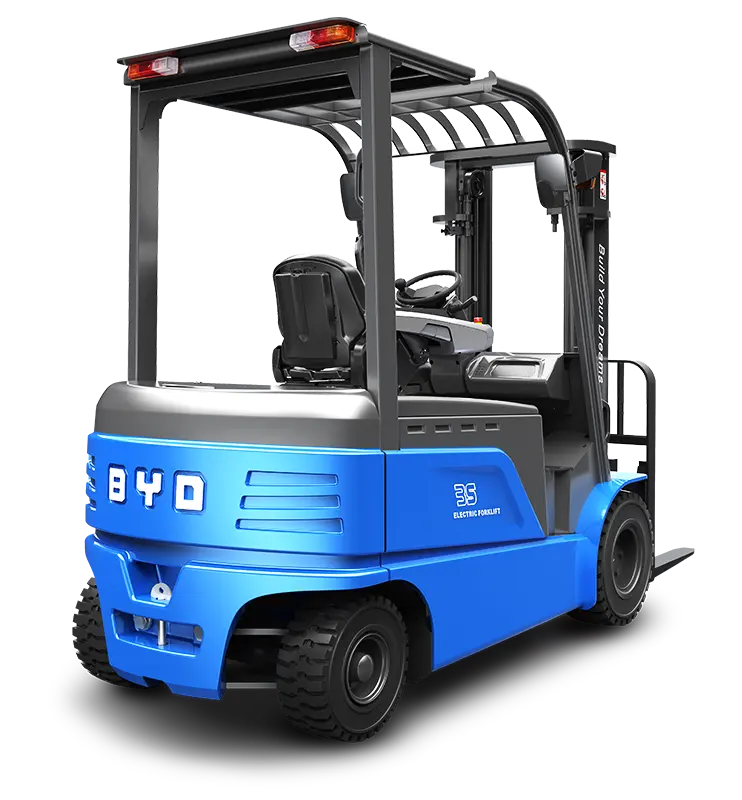
For the cold storage operation scenario, forklifts are the core on-site operating equipment, and accurately calculating their full life cycle costs is an important reference for rational selection and control of overall operating expenses.
Core cost components at the procurement stage
Equipment acquisition cost is the core explicit expenditure in the procurement stage. There are obvious differences in the acquisition cost of special forklifts for cold storage with different load-bearing levels and functional configurations. When selecting the type, it is necessary to choose the appropriate configuration based on the actual weight of the goods, the channel width of the warehouse area, and the average daily operation frequency. It not only avoids unnecessary procurement waste caused by excessive selection, but also prevents insufficient configuration from affecting the subsequent operation efficiency.
Supporting investment is a hidden cost that is easily overlooked in the procurement stage. Cold storage forklifts need special charging equipment and protective accessories suitable for low temperature environments, and operators need to receive special project training for low temperature environment operations. These expenses need to be included in the overall calculation of the procurement stage to avoid additional funding gaps in subsequent operations.
The long-term cost structure of the operation and maintenance phase
The cost of conventional wear and tear is a fixed expense item in the operation and maintenance stage. In a low temperature environment, the wear and tear rate of the forklift's batteries, tires, and hydraulic system components is much higher than that in a normal temperature operating environment. Regular replacement of wearing parts, replenishment of special hydraulic oil, and testing of battery performance are the core components of operation and maintenance costs. The higher the average daily operation frequency, the greater the proportion of such conventional wear and tear expenses.
Failure repair and maintenance costs are flexible expenses in the operation and maintenance stage. Regular vehicle maintenance according to operating specifications can effectively reduce the probability of failure. If core components fail, maintenance expenses will increase significantly. Some customized parts for low-temperature environments have a long procurement cycle and higher costs, which will also indirectly increase the hidden losses caused by missed work.
Lifecycle cost optimization recommendations
When selecting a model, you should not only focus on the initial purchase price, but also comprehensively calculate the long-term investment in combination with the average annual operating time, the estimated replacement frequency of wearing parts, and the coverage of maintenance services. At the same time, establish a standardized daily inspection and regular maintenance system, which can effectively prolong the service life of the equipment and reduce the overall life cycle expenses.