简体中文
简体中文 Deutsch
 日本語
日本語 한국어
한국어 Tiếng Việt
 Русский
 ไทย
ไทย Bahasa Indonesia
 Bahasa Melayu
 Filipino
 لالعربية
 Français
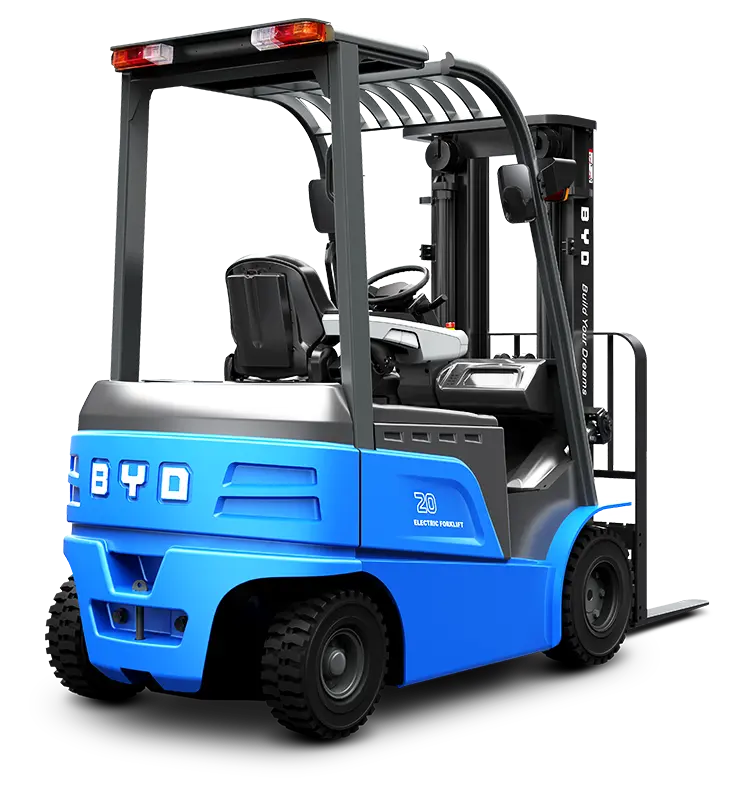
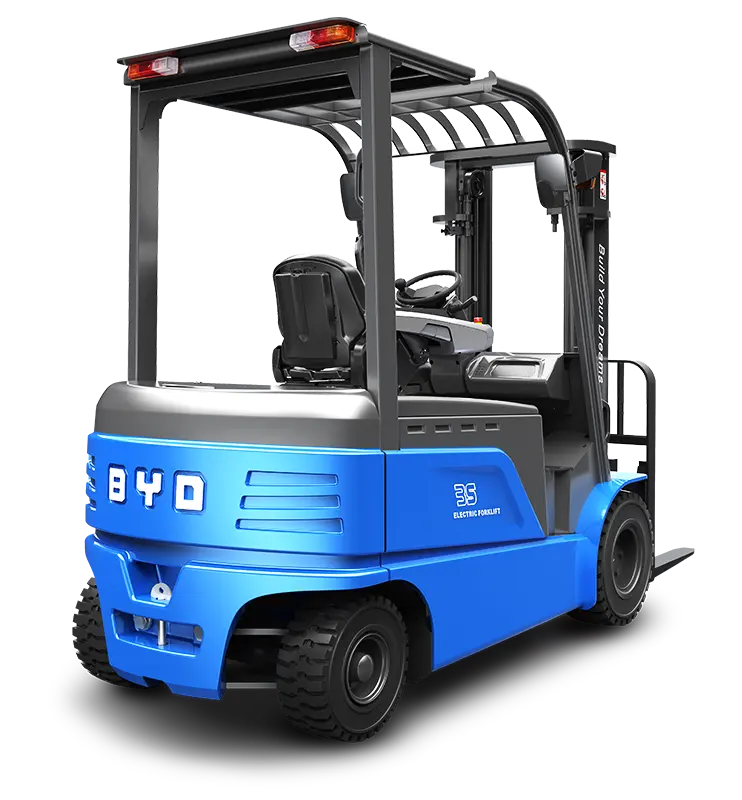
In the logistics, warehousing, production and handling of enterprises, the adaptability and stability of electric forklifts directly affect the efficiency of daily operations. As a commonly used electric forklift model, the selection and details of dealers during the procurement process are crucial to help enterprises avoid procurement risks and ensure long-term reliable operation of equipment.
Dealer selection points
Priority should be given to the compliance qualification of the dealer to ensure that it has formal brand authorization qualifications and perfect business license documents, which is the basis for ensuring that the purchased equipment is genuine and the follow-up service is supported. At the same time, the service coverage ability of the dealer is inspected. For enterprises with cross-regional layout, choosing a dealer whose service coverage matches their own operating area can reduce the response waiting time in the event of equipment failure and reduce the cost of cross-regional service. In addition, after-sales response efficiency is also a core consideration. By consulting cooperative customers in the same industry or understanding the after-sales team configuration of the dealer on the spot, it can be judged whether it can quickly provide solutions such as maintenance and debugging when there is a problem with the equipment, so as to avoid affecting the production rhythm of the enterprise due to equipment outage. Qualified enterprises can also visit the dealer's storage site on the spot to understand their stocking capabilities and avoid prolonging the procurement cycle due to out-of-stock, which will affect the project progress.
Purchasing Precautions
Verify the equipment configuration according to its actual working conditions, such as the space layout of the warehouse, the weight of daily handling goods, and the single-day operation time. Confirm whether the load capacity, cruising mileage, steering flexibility and other parameters of the BYD P30PS match the operation requirements to avoid excess or insufficient equipment performance. Clarify the relevant details of equipment delivery, including delivery time, whether it includes door-to-door installation and commissioning services, operation training content, etc., to ensure that the equipment can be put into use quickly after delivery. In addition, it is necessary to carefully review the purchase contract terms, clarify the quality assurance period of the equipment, the supply method of maintenance parts, and the specific scope of after-sales services, etc., to clearly define the rights and obligations of both parties, and reduce possible subsequent disputes. Before purchasing, you can also ask the dealer to provide equipment instructions and daily maintenance guidance to help the enterprise establish a standardized equipment maintenance mechanism and extend the service life of the equipment.