简体中文
简体中文 Deutsch
 日本語
日本語 한국어
한국어 Tiếng Việt
 Русский
 ไทย
ไทย Bahasa Indonesia
 Bahasa Melayu
 Filipino
 لالعربية
 Français
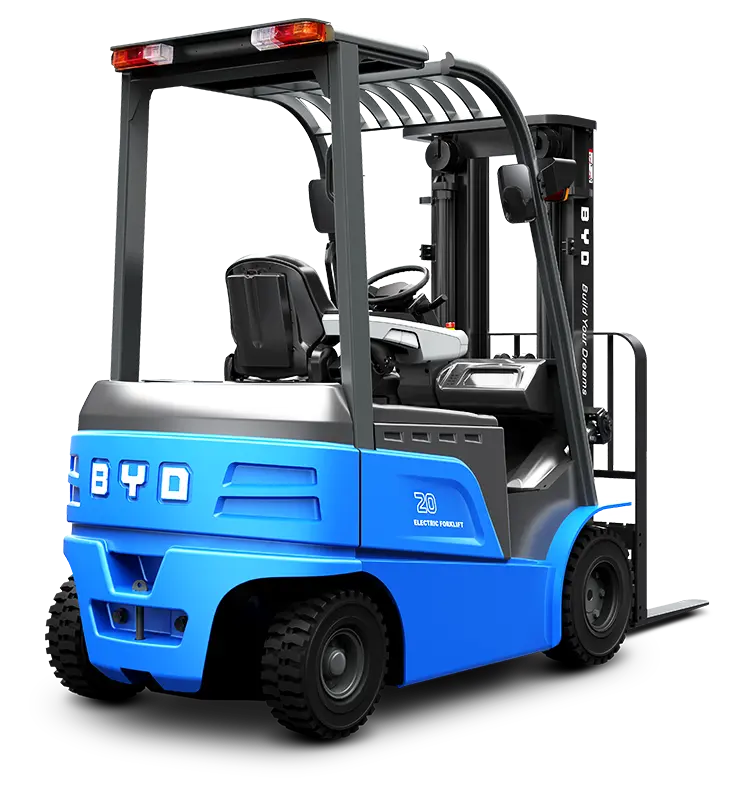
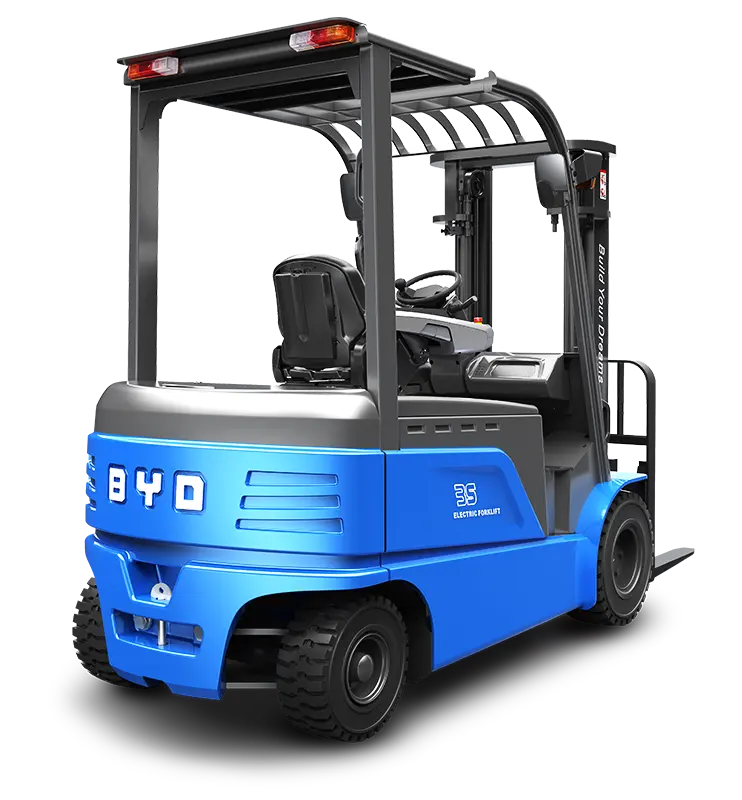
As the core power component of the electric forklift, the state of the lithium battery directly affects the operating performance and service life of the BYD P30PS. Doing a good job in daily maintenance and standardized use can not only prolong the battery cycle, but also reduce long-term use costs.
Daily maintenance method
Periodic visual inspection
Weekly appearance inspection of lithium batteries should be carried out to check whether the shell is damaged, deformed or leaking, and at the same time check whether the terminals are loose or oxidized. If the terminals are found to be oxidized, they can be wiped clean with a dry cloth; if the shell is slightly damaged, a professional should be contacted in time to avoid safety hazards caused by electrolyte leakage. In addition, dust and debris on and around the battery surface should be cleaned regularly to prevent dust accumulation from causing short circuits.
Standardize the charging process
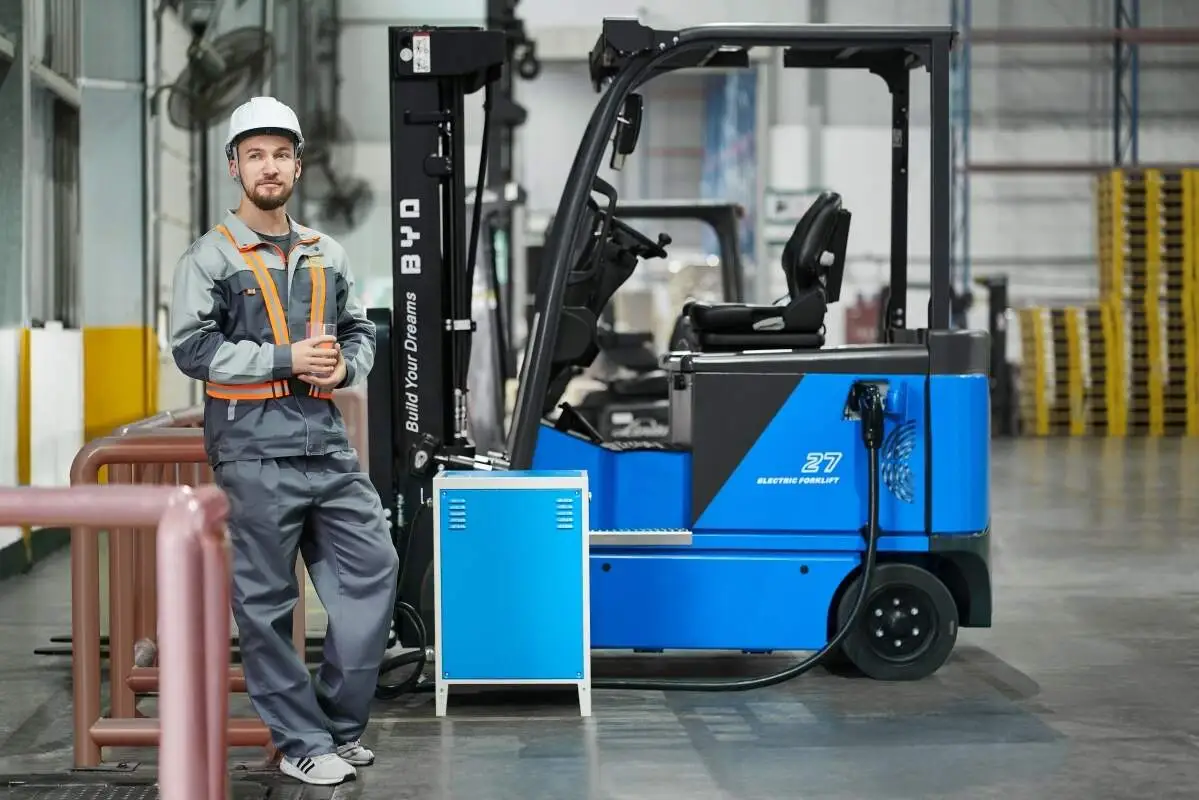
When charging, you need to use a suitable special charger to avoid mixing other types of chargers to affect the battery performance. The charging environment needs to be kept dry and ventilated, away from flammable and explosive items, and at the same time avoid charging in high or low temperature environments. When the battery power shows full, the power supply should be disconnected in time, and do not keep the charging state for a long time to prevent damage to the battery cells caused by overcharging. Daily charging should follow the principle of shallow charging and shallow discharge as much as possible to improve the battery cycle life.
Rational storage management
If the forklift needs to be idle for a long time, the lithium battery should be kept between 50% and 70% before storage. The storage environment should be cool and dry, with a temperature between 10 ° C and 30 ° C. Avoid direct sunlight or close to heat sources, and keep away from humid environments to prevent the battery from getting damp. During the idle period, the battery needs to be recharged once a month to avoid damage to the battery due to excessive discharge.
Precautions for the use of lithium batteries
Avoid overcharging and discharging
During use, do not wait until the battery is completely exhausted to booster charge. When the battery is about 20% remaining, the charging procedure can be started to prevent excessive discharge from damaging the battery. At the same time, it is also necessary to avoid long-term charging. The charger shows that the power is cut off in time after it is fully charged to reduce the loss caused by overcharging.
Control job load
During operation, it should be operated strictly according to the rated load of BYD P30PS to avoid overload operation for a long time. Overload will increase the discharge load of the battery, accelerate the aging of the battery, and shorten the service life of the battery. If you need to carry heavier goods, you can do it in batches to reduce the time for the battery to work at high load continuously.
Protect against extreme environments
In high temperature environments, the activity of lithium batteries will increase abnormally, and it is prone to overheating. At this time, long-term continuous operation should be avoided, and the battery can be properly shut down to cool down before continuing to use. In low temperature environments, the battery capacity will decrease. Before operation, the battery can be preheated to improve battery activity. In rainy and snowy weather, open-air operation should be avoided as much as possible to prevent rainwater from entering the battery and causing a short circuit.
Doing the above maintenance and use points well can effectively ensure the stable performance of BYD's P30PS lithium battery, extend its service life, and provide reliable power support for daily operations.