
 简体中文
简体中文 Deutsch
 日本語
日本語 한국어
한국어 Tiếng Việt
 Русский
 ไทย
ไทย Bahasa Indonesia
 Bahasa Melayu
 Filipino
 لالعربية
 Français
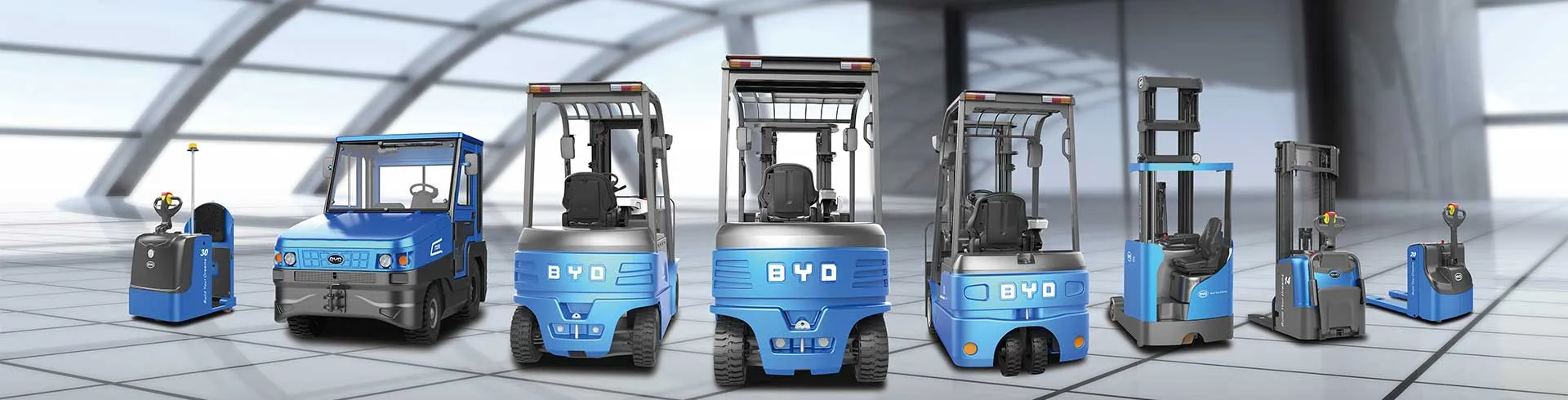
The differences in the basic positioning of the two models
Universal heavy-duty scene adaptation model
The research and development design of this model is biased towards the needs of high-frequency conventional heavy-duty handling. The body bearing structure has been strengthened and adjusted, and the battery life performance can be adapted to the continuous operation needs of 8 hours or more in a single day. The operation logic fits the usage habits of most front-line operators, and the daily maintenance cost is controllable. It can fully meet the transit operation needs of manufacturing plants and ordinary logistics parks with an average daily handling number of more than 30 times. It is suitable for the conventional handling scenarios of most flat and hardened roads.
Model for complex working conditions
This model is optimized for scenarios with special operation requirements, further reducing the minimum turning radius of the body. The ramp start anti-skid, obstacle recognition and other auxiliary safety configurations are more abundant, and it supports the rapid disassembly and replacement of a variety of operation attachments. It can be adapted to narrow channel high-level storage, factory areas with more high and low drop ramps, and multi-category special-shaped goods handling.
Practical selection reference suggestions
Filter in combination with the current actual job scenario
Before selecting a model, users can first sort out the core parameters such as the average daily handling weight of the statistical site, the minimum width of the channel, the average daily operating time, and the ground flatness. If the daily heavy-duty transit operation of the regular leveling site is the main one, selecting a general-purpose heavy-duty adaptation model can fully meet the needs without paying additional procurement costs for non-essential functions.
Combined with long-term operational planning
If there is a plan to expand new operating scenarios and add multiple types of possessions in the next one to two years, you can give priority to models with stronger adaptability to complex working conditions, and the full life cycle performance of the model will be more advantageous. This will also avoid the problem of insufficient vehicle adaptability after subsequent operating scenario adjustments.


