
 简体中文
简体中文 Deutsch
 日本語
日本語 한국어
한국어 Tiếng Việt
 Русский
 ไทย
ไทย Bahasa Indonesia
 Bahasa Melayu
 Filipino
 لالعربية
 Français
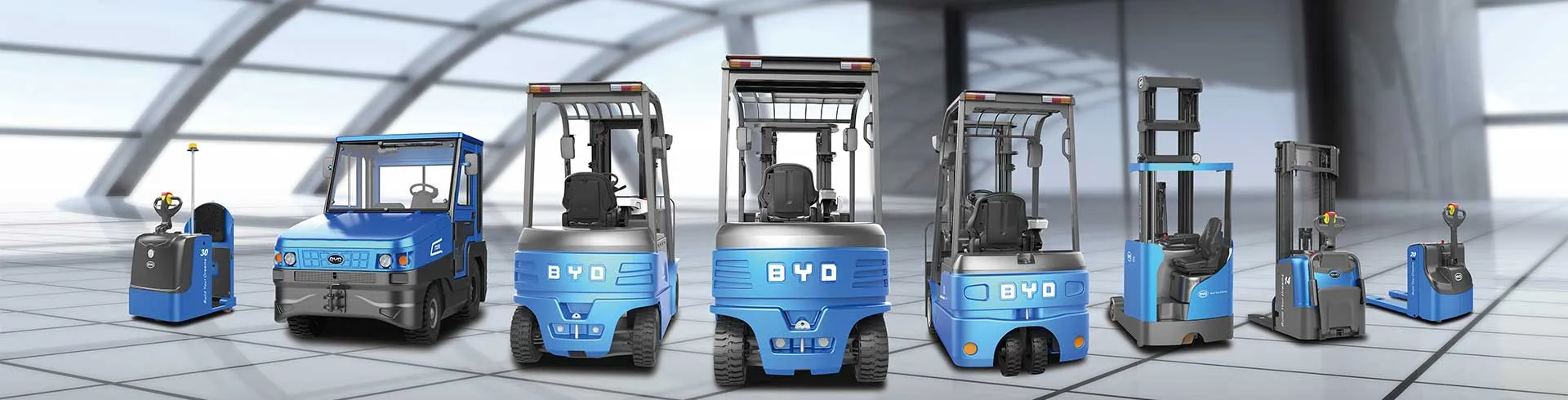
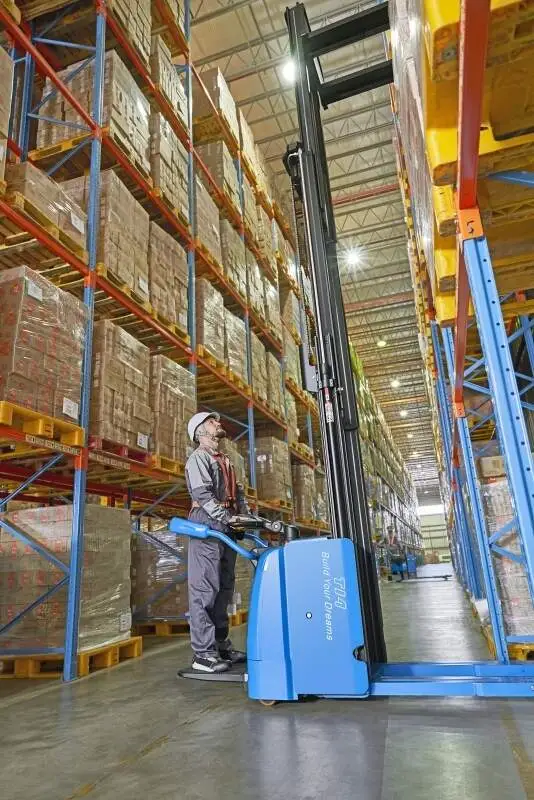
The differences in the basic positioning of the two models
Function Emphasis for Heavy Load Scenario
One of the models is mainly designed for the high-frequency continuous 5-ton material transfer needs. The weight distribution of the body is more biased towards driving stability, and the energy consumption control of long-distance movement is excellent. It supports long-term uninterrupted cycle operation, does not require frequent replenishment, and can adapt to large-flow cargo transfer requirements, reducing operation waiting time and improving overall transfer efficiency.
Design bias for high-density warehousing operations
The other model focuses more on the operation requirements in the narrow channel, and the body structure has been compact and optimized, resulting in higher steering flexibility. The smoothness of the lifting action is better, and it can adapt to the stacking and pickup requirements of high-rise shelves. It does not need to take up additional channel reserved space, effectively improving the space utilization of the storage area, and helping the warehouse to accommodate more goods in the limited space.
The core adaptation scenarios of the two models are distinguished
Operation adaptation for outdoor transit in factory area
One of the models is more suitable for non-paved road operations such as open-air sections of the factory and temporary transfer areas of the construction site. The ground clearance of the chassis has been reasonably improved, allowing it to smoothly pass through small-slope roads and scattered gravel sections. It has a stronger ability to cope with complex outdoor operating environments, adapting to the cross-regional transshipment needs of large-scale goods, and responding to various non-standardized outdoor operating conditions.
Advantages of using indoor storage stacking
Another model is optimized for closed indoor operation, with lower noise, no unnecessary convex structure, no scratching of surrounding facilities when steering between dense shelves, and higher safety during operation. It is suitable for use in storage areas with high operating environment requirements and will not interfere with the normal progress of other surrounding operations.
Reference Suggestions for Reasonable Selection
Match equipment according to actual job requirements
Before purchasing, users can first sort out their regular operation routes, count the daily single transfer distance, average operation time, channel width of the operation area, required maximum lifting height and other core parameters, and then compare the basic attributes of the two models to match, they can choose the equipment that suits their own needs, avoid unnecessary performance waste, and improve the cost performance of the whole life cycle.


