简体中文
简体中文 Deutsch
 日本語
日本語 한국어
한국어 Tiếng Việt
 Русский
 ไทย
ไทย Bahasa Indonesia
 Bahasa Melayu
 Filipino
 لالعربية
 Français
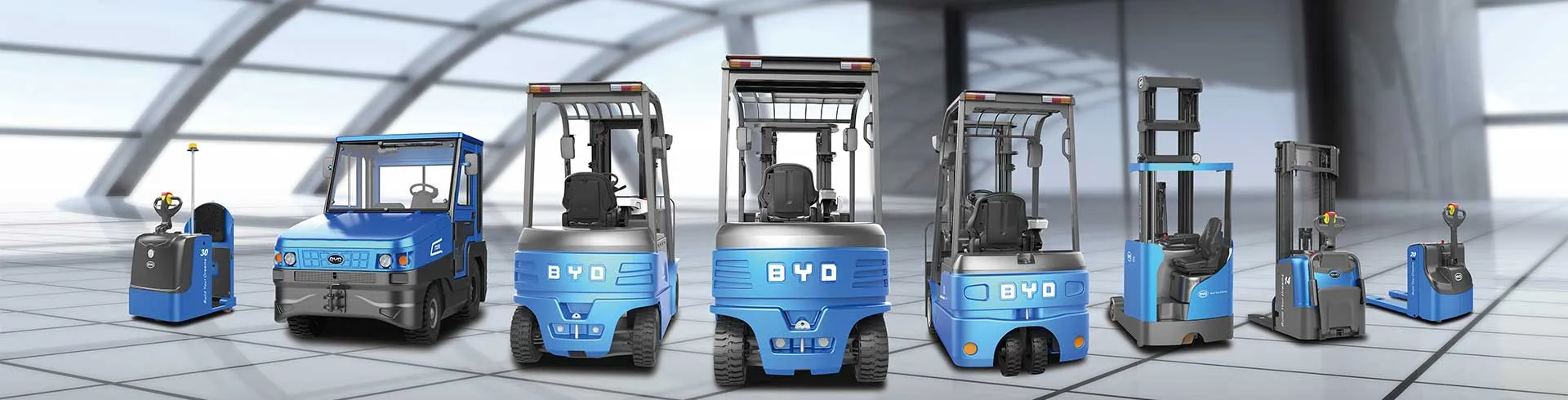
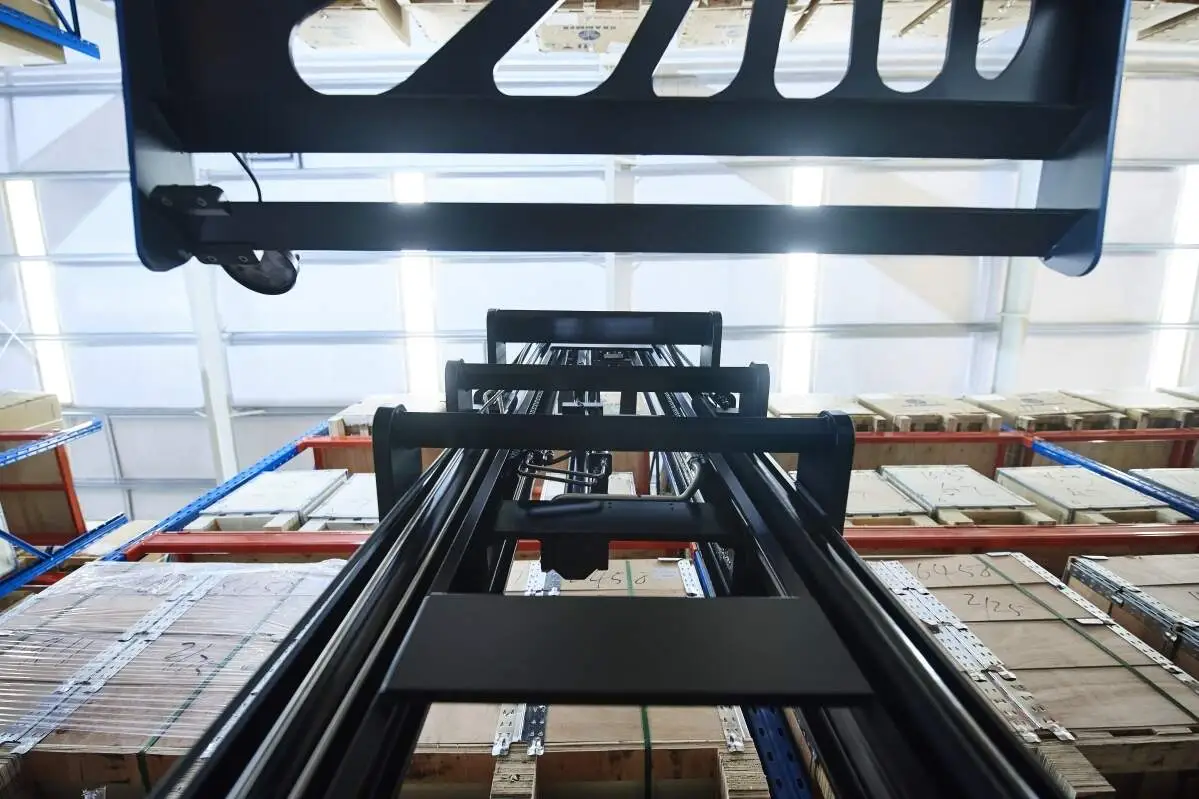
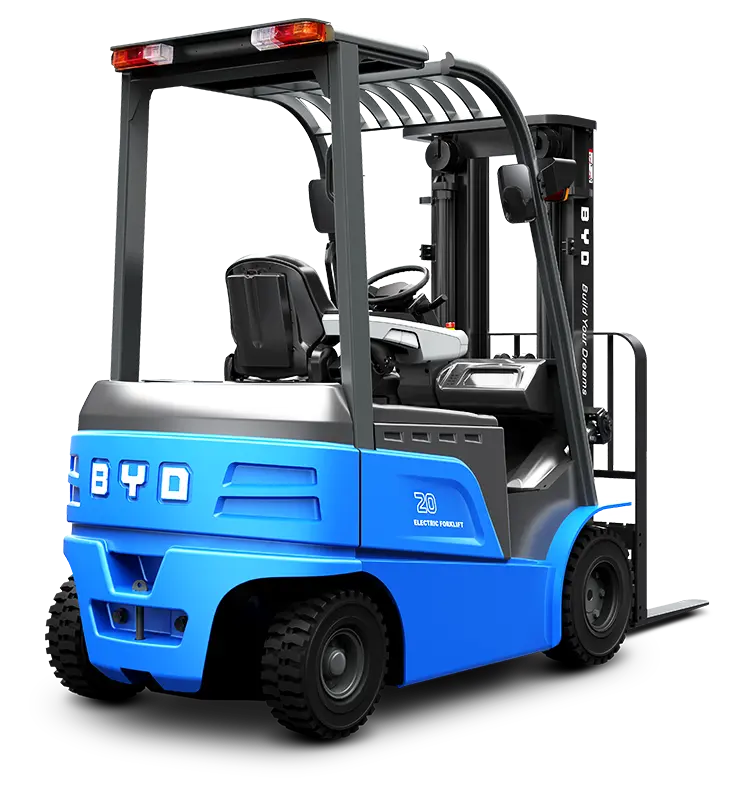
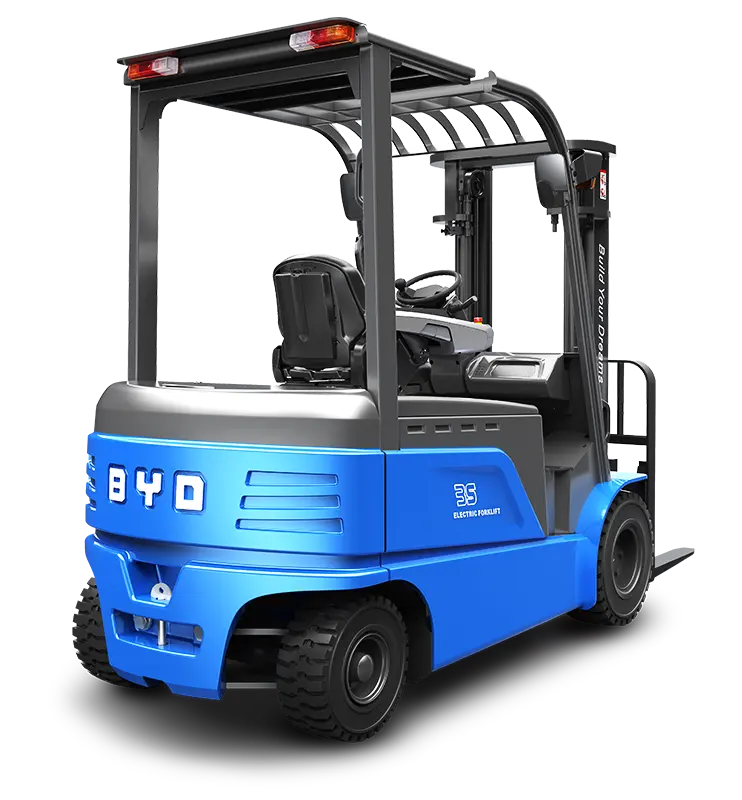
With the increasing space utilization requirements in the warehousing industry, more and more warehouses choose to create narrow aisle layouts. In such space-constrained environments, the choice of handling equipment directly affects operation efficiency and site adaptation. Small lithium-ion forklifts, as a commonly used type of warehousing equipment in recent years, have many characteristics in narrow aisle scenarios.
The first is that the space is well adapted. The body structure of small lithium-ion forklifts is usually more compact, especially the lateral width and turning radius design, which can better adapt to the narrow channel space. Some products can be turned in a channel that is not much wider than their own width, without reserving too much operating margin, which provides the possibility to add more cargo space to the warehouse and indirectly improves the storage density.
The second is the performance in terms of energy consumption and cost of use. This type of forklift uses lithium batteries as a power source, and the charging speed is relatively fast. Some products that support fast charging mode can replenish power in a short gap time, reducing the situation of interruption due to waiting for charging. At the same time, the discharge of lithium batteries is relatively smooth, and the power output is relatively stable during load or climbing, which can meet a certain degree of handling needs. In addition, there are fewer daily maintenance items, and there is no need to add fuel, change oil or clean up complex fuel systems like traditional internal combustion forklifts, which reduces long-term human and material investment.
Then there is the operating experience and environmental friendliness. Electric forklifts operate with less noise and relatively low vibration, providing operators with a relatively comfortable working environment and reducing fatigue caused by long-term operation. At the same time, it has no exhaust emissions and is suitable for use in closed or semi-closed warehouses. It will not cause pollution to the goods or warehouse environment, and is also in line with the current development trend of green warehousing.
Finally, there is the aspect of battery life and flexible scheduling. The energy density of lithium batteries is relatively high, and a full charge can support a long time of continuous operation, which can meet the needs of most daily storage and handling. Moreover, multiple small lithium forklifts can share charging equipment, and flexibly schedule vehicles and charging times according to changes in the amount of work, further optimizing the operation process.