简体中文
简体中文 Deutsch
 日本語
日本語 한국어
한국어 Tiếng Việt
 Русский
 ไทย
ไทย Bahasa Indonesia
 Bahasa Melayu
 Filipino
 لالعربية
 Français
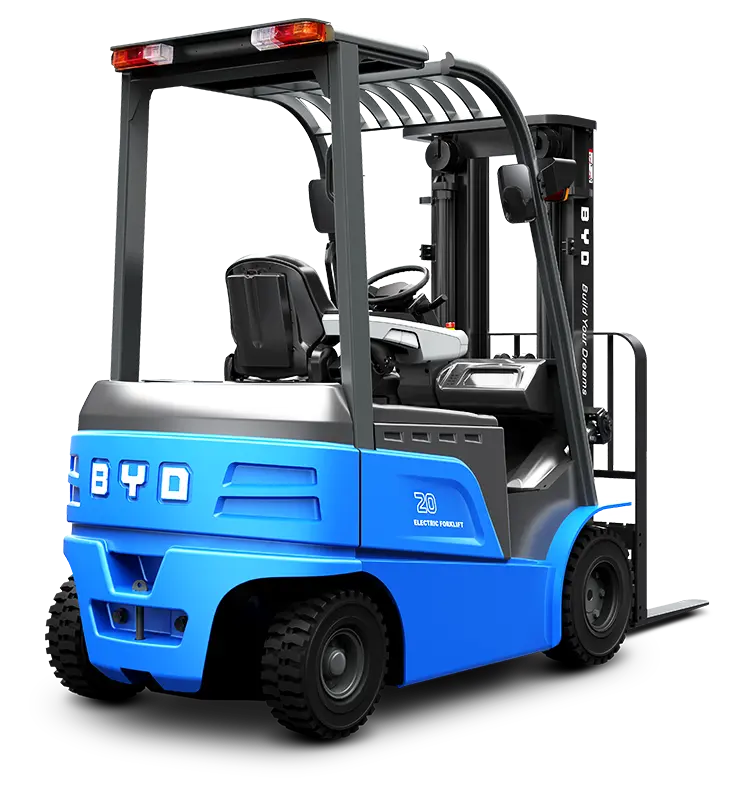
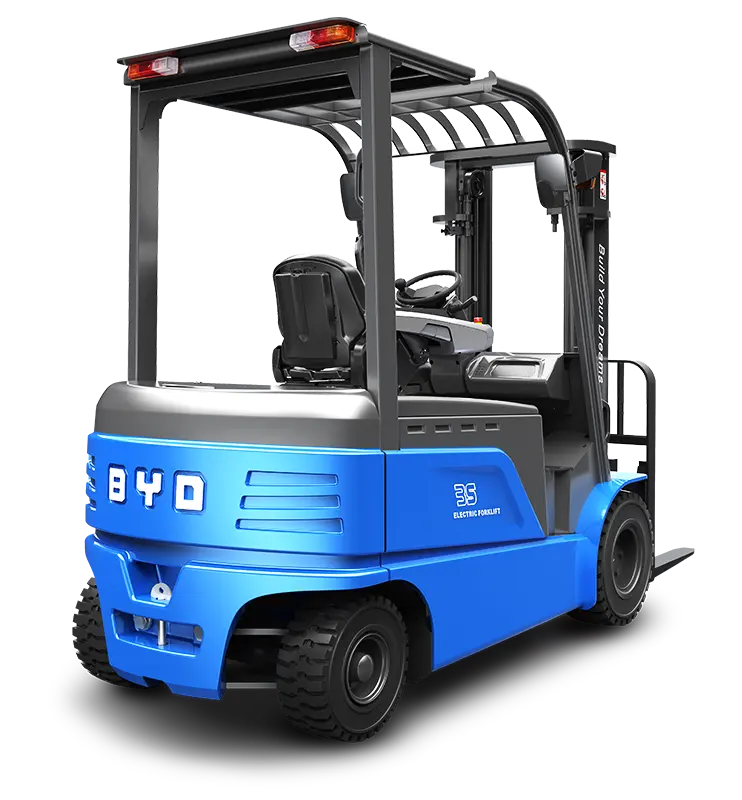
When users purchase electric forklifts in warehousing, logistics, workshop turnover, and other scenarios, small-tonnage lithium batteries of 1 ton to 3 tons are currently widely used. By understanding the core reference specifications of such equipment in advance, they can more efficiently match their own needs.
The first is the adaptation reference of load and corresponding operation scenarios. The 1-ton small lithium-ion forklift is suitable for small-piece sorting of e-commerce express, light tools or parts turnover in the production workshop; the 2-ton can be adapted to the handling and stacking of light hardware, food and beverages, daily chemical products carried by standard pallets; the 3-ton can meet the needs of batch stacking of slightly heavier cartons, work in progress station transfer, etc. The specific load adaptation needs to be combined with the average weight and peak weight of daily goods.
The current mainstream lifting height of small-tonnage lithium-ion forklifts is between 3 meters and 4.5 meters, which can meet the stacking requirements of most single-layer or double-layer warehouses. If there is a higher demand in some scenarios, you can also consult the customization plan of related products according to the actual situation, but the customization needs to give priority to the load-bearing capacity of the site and the safety specifications of the operation.
Then there is the reference of the turning radius and the channel width. Users with more indoor operations need to pay attention to the minimum turning radius of the fork to the neutral track. The 1-ton class is usually 1.2 meters to 1.6 meters, the 2-ton class is 1.4 meters to 1.8 meters, and the 3-ton class is 1.6 meters to 2.0 meters. The channel width generally needs to be increased by about 0.3 meters compared with the minimum turning radius to ensure the passage and operation space during operation.
Power battery life is also an important reference item. The battery life will be affected by factors such as temperature, load, and lifting frequency. Under normal circumstances, the continuous operation time of the 1-ton class is about 4 hours to 6 hours, the 2-ton class is about 3.5 hours to 5.5 hours, and the 3-ton class is about 3 hours to 5 hours. Many products support dual batteries or fast charging function. Fast charging can generally be charged to about 80% of the total power in 1 hour to 2 hours.
Finally, there is the reference of the body size, pay attention to the height of the gantry completely lowered to facilitate access to the factory door or elevator. The lowered height of the 1-ton gantry is usually 1.9 meters to 2.2 meters, the 2-ton gantry is 2.0 meters to 2.3 meters, and the 3-ton gantry is 2.1 meters to 2.4 meters. The length and width parameters of the body also need to be selected in combination with the channel conditions.