
 简体中文
简体中文 Deutsch
 日本語
日本語 한국어
한국어 Tiếng Việt
 Русский
 ไทย
ไทย Bahasa Indonesia
 Bahasa Melayu
 Filipino
 لالعربية
 Français
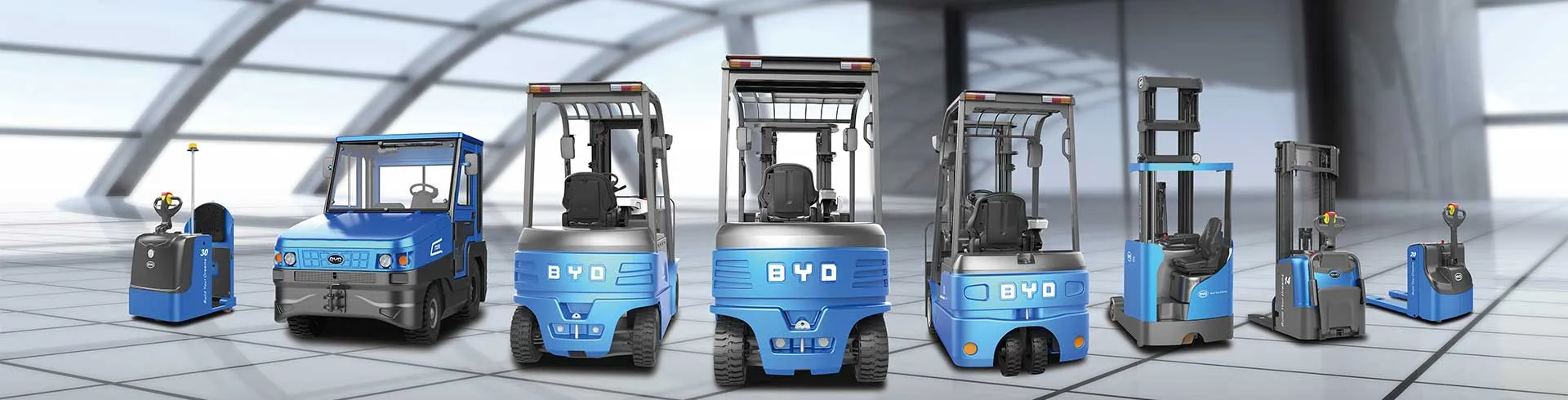
In logistics warehousing, industrial handling and other scenarios, 3-ton forklifts are commonly used material handling equipment in enterprises. Choosing a lithium-battery forklift or a diesel forklift not only affects the initial investment, but also affects the long-term operating costs. From the perspective of full life cycle cost, this paper compares the economic differences and payback cycles between the two to provide reference for enterprise equipment selection.
Initial acquisition cost variance
The initial purchase price of a 3-ton lithium-ion forklift is usually higher than that of a diesel forklift. This is mainly due to the technical investment in core components such as lithium battery packs and electronic control systems, as well as the integration cost of motors and drive systems. Diesel forklifts are relatively affordable due to the mature structure of traditional machinery such as engines and gearboxes. The specific price difference will fluctuate slightly due to brand and configuration, but there is a situation in the industry where the initial investment of lithium-ion forklifts is 10% -30% higher.
cost comparison
The cost of energy consumption
Lithium forklifts use electricity as the energy source, and a single charge can meet the needs of 8-12 hours of operation (depending on the battery capacity and load). The energy cost is mainly electricity. In most parts of China, the cost of electricity per kilowatt hour is about 0.5-1 yuan. According to the average annual operation of 2000 hours and the consumption of 30 degrees of electricity per hour, the annual electricity cost is about 3000-6000 yuan. Diesel forklifts need to consume diesel, and the average annual fuel cost is greatly affected by oil price fluctuations. According to the average annual fuel consumption of 1500 liters and the unit price of diesel 8 yuan/liter, the annual fuel cost is about 12,000 yuan. In the long run, the energy cost advantage of lithium forklifts is significant, especially in areas with stable electricity prices or peak and valley electricity price policies.
#Maintenance and repair costs
The structure of the lithium-ion forklift is relatively simple, and the core components are batteries, motors and electronic control systems. The daily maintenance is mainly based on battery balance management and circuit inspection. There is no need to replace oil, filters and other consumables. The annual maintenance cost is about 1/3 of that of the diesel forklift. The diesel forklift engine involves complex components such as pistons, crankshafts, and fuel injection systems. Three filters and oil need to be replaced regularly. Engine maintenance is required every 500 hours, and the cost is about 2000-3000 yuan. If the engine fails, the maintenance cost may reach tens of thousands of yuan, and the maintenance of emission treatment systems (such as DPF, SCR) will also increase additional expenses.
Comprehensive analysis of life cycle cost
Equipment life and update cycle
Lithium forklift battery life is usually 5-8 years (cycle charge and discharge times about 1500-2000 times). If the battery is replaced later, the cost is about 50% -70% of the initial battery, and the overall equipment life (including battery replacement) can reach more than 10 years. The diesel forklift engine overhaul cycle is about 3-5 years. If the use environment is harsh (such as a lot of dust and high load), the overhaul frequency may be shortened to 2-3 years. The overall equipment life is similar to that of lithium forklifts, but the update pressure brought by the upgrade of emission standards (such as the National VI standard) needs to be considered.
#Return to this cycle calculation
Assuming that an enterprise uses forklifts for an average of 2,000 hours a year, the initial purchase cost of lithium-ion forklifts is 30,000 yuan higher than that of diesel forklifts (common price difference range in the industry), but the average annual energy cost savings are about 6,000 yuan (12,000-6,000 yuan) and maintenance costs are about 2,000 yuan (diesel forklifts annual maintenance 5,000 yuan vs lithium batteries 2000 yuan), with a total annual savings of 8,000 yuan. Then the return cycle = initial price difference/annual cost savings = 30000/83003.75 years. If the annual use time of the enterprise exceeds 2500 hours, the return cycle can be shortened to less than 3 years; if the annual use time is less than 1500 hours, the return cycle of diesel forklifts may be shorter due to the low initial cost.
Conclusions and recommendations
When selecting a model, enterprises need to consider the operation scenarios: if the annual operation time exceeds 2,000 hours, the pursuit of low noise and environmental protection, and the budget is sufficient, the lithium-ion forklift has obvious cost advantages throughout the life cycle, and the return cycle is usually 3-4 years; if the operation time is short, the initial investment is sensitive, and the fuel price in the area is extremely low, the diesel forklift is still an economic choice. It is recommended to choose the most suitable plan through actual operation data calculation (such as annual operation time, maintenance frequency, and energy price) to balance short-term investment and long-term benefits.
.webp "3 tons lithium battery forklift vs diesel forklift, life cycle cost comparison, how many years can you pay for it?(Image1)")


