简体中文
简体中文 Deutsch
 日本語
日本語 한국어
한국어 Tiếng Việt
 Русский
 ไทย
ไทย Bahasa Indonesia
 Bahasa Melayu
 Filipino
 لالعربية
 Français
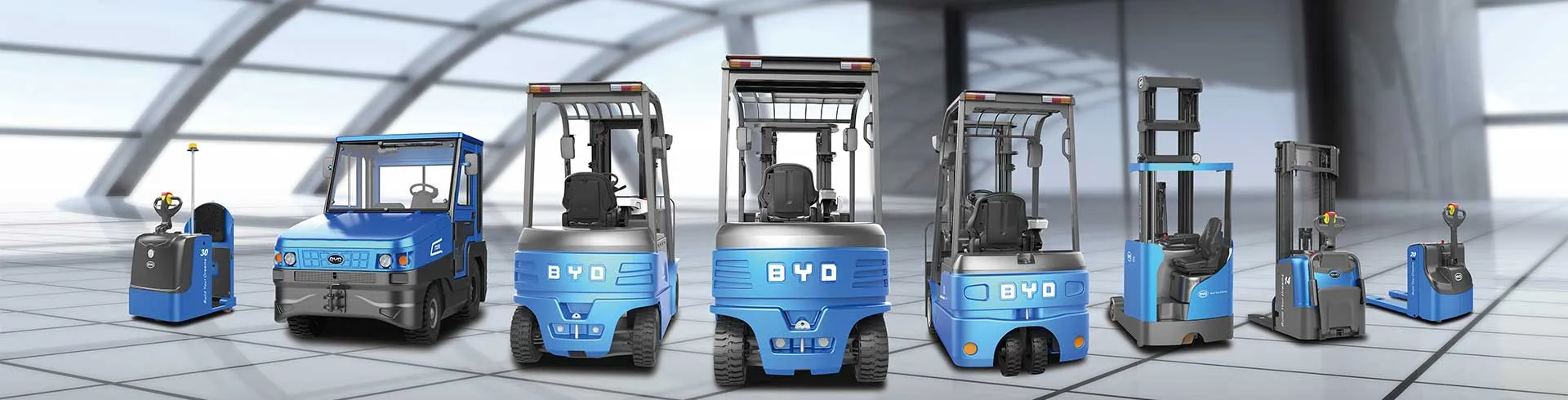

In warehousing logistics and industrial handling scenarios, 2-ton electric pallet trucks are commonly used material handling equipment. Through targeted operation optimization, equipment operation efficiency can be effectively improved and operating costs can be reduced. This paper combines the practical application of P20JS electric pallet trucks to share a set of practical operation optimization programs.
Load matching and operation specification optimization
Reasonable matching of job load
The rated load of the 2-ton electric pallet truck is 2 tons. In actual operation, the operation mode needs to be adjusted according to the weight of the goods and the specifications of the pallet. To avoid being in a full load or even overload state for a long time, for goods with high density, they can be handled in batches to reduce the load loss of the equipment motor and hydraulic system. At the same time, ensure that the goods are evenly distributed on the pallet to avoid the equipment driving deviation caused by unilateral weight and improve the stability of the operation.
Standardize the operation process
Operators need to be professionally trained to master the start-stop, steering, lifting and other operation skills of the equipment. When starting, turning and loading and unloading goods, control the driving speed to avoid sudden acceleration and sudden braking, and reduce the wear and tear of equipment parts. When loading and unloading goods, ensure that the fork is fully inserted under the tray, lifted to a suitable height before driving to prevent the goods from falling or the equipment from tipping over.
Job Path and Scheduling Optimization
Optimize the job path in the field
Combined with the warehouse layout and the storage location of the goods, plan the optimal handling path to reduce the invalid driving distance. For example, place the high-frequency handling goods in the area close to the outbound port to shorten the round-trip journey; use the channel width of the warehouse to plan the one-way driving route to avoid congestion caused by cross-operation and improve the overall operation efficiency.
Intelligent scheduling and task allocation
According to the work volume and equipment status, the handling tasks are reasonably allocated. When multiple devices are working at the same time, the task overlap is avoided through on-site scheduling, and the urgent goods handling is given priority. At the same time, the operation time and task completion rate of the equipment are regularly counted, and the scheduling strategy is adjusted to ensure that the equipment resources are fully utilized.
Energy management and maintenance optimization
Energy consumption monitoring and energy-saving operation
The energy consumption of the electric pallet truck is closely related to the operating habits. During the operation, avoid idling for a long time, and turn off the power in time when idle. Utilize the energy recovery function of the equipment to recover part of the electric energy when going downhill or slowing down, and prolong the battery life. Regularly check the battery status to ensure that the charging environment meets the requirements and improve the battery life.
Routine maintenance and failure prevention
Establish a regular maintenance mechanism, check the brakes, tires, forks and hydraulic systems of the equipment before daily operation, and detect and deal with potential faults in time. Regularly clean the surface and internal parts of the equipment to avoid dust and debris entering the motor or hydraulic system. According to the requirements of the equipment user manual, regularly replace lubricating oil and wearing parts to ensure that the equipment is in good working condition.
Through the application of the above optimization scheme, the efficiency of the 2-ton electric pallet truck P20JS can be significantly improved in actual operation, while reducing the failure rate of equipment and operating costs, providing reliable equipment support for warehousing and logistics operations.